
FORMBRIM / THE BUYER’S NOTEBOOK

Bulk hat orders.
Plan each decision.

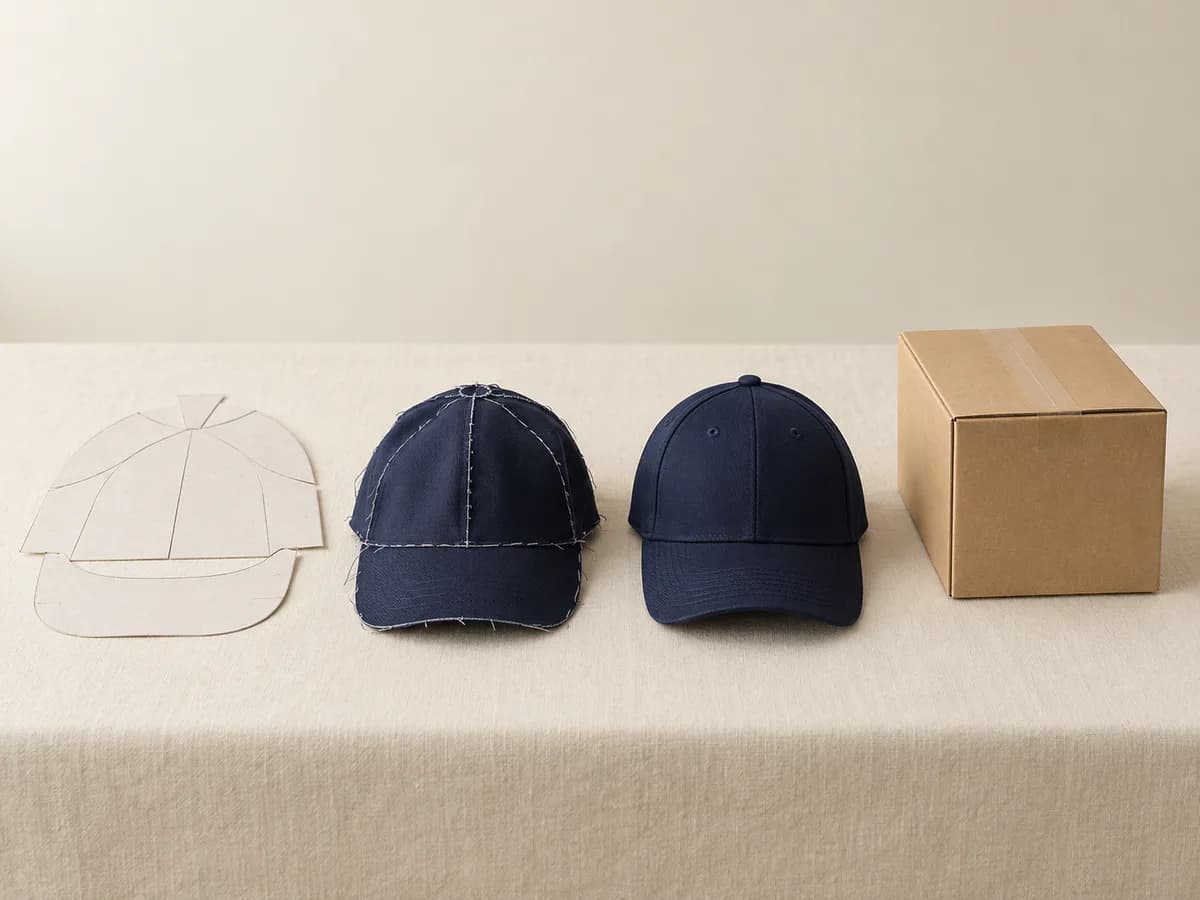
Hat manufacturer buying guides for sourcing teams: prepare OEM specifications, compare supplier quotes, approve samples and plan private label bulk orders.

Find your next decision ↘
24 procurement chapters / 40 design-specific guides
01 / PRACTICAL ANSWERS

Start with the question
in front of you.

Each chapter ends with something you can prepare or confirm. Read in order for a first project, or go straight to the decision holding up your brief.

01 / Define the hat

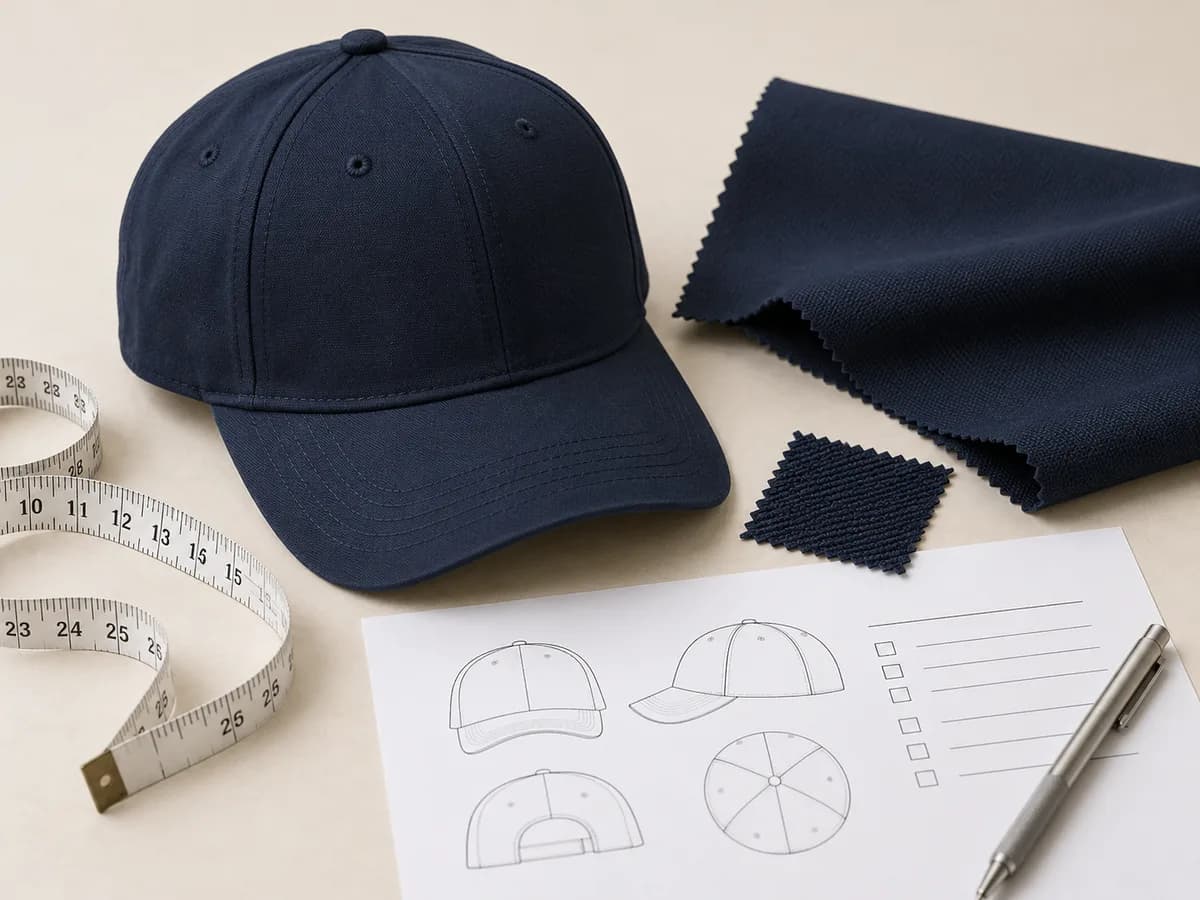
What does the factory need from me?

A reference direction, a clear order breakdown and a list of the details you want help resolving.

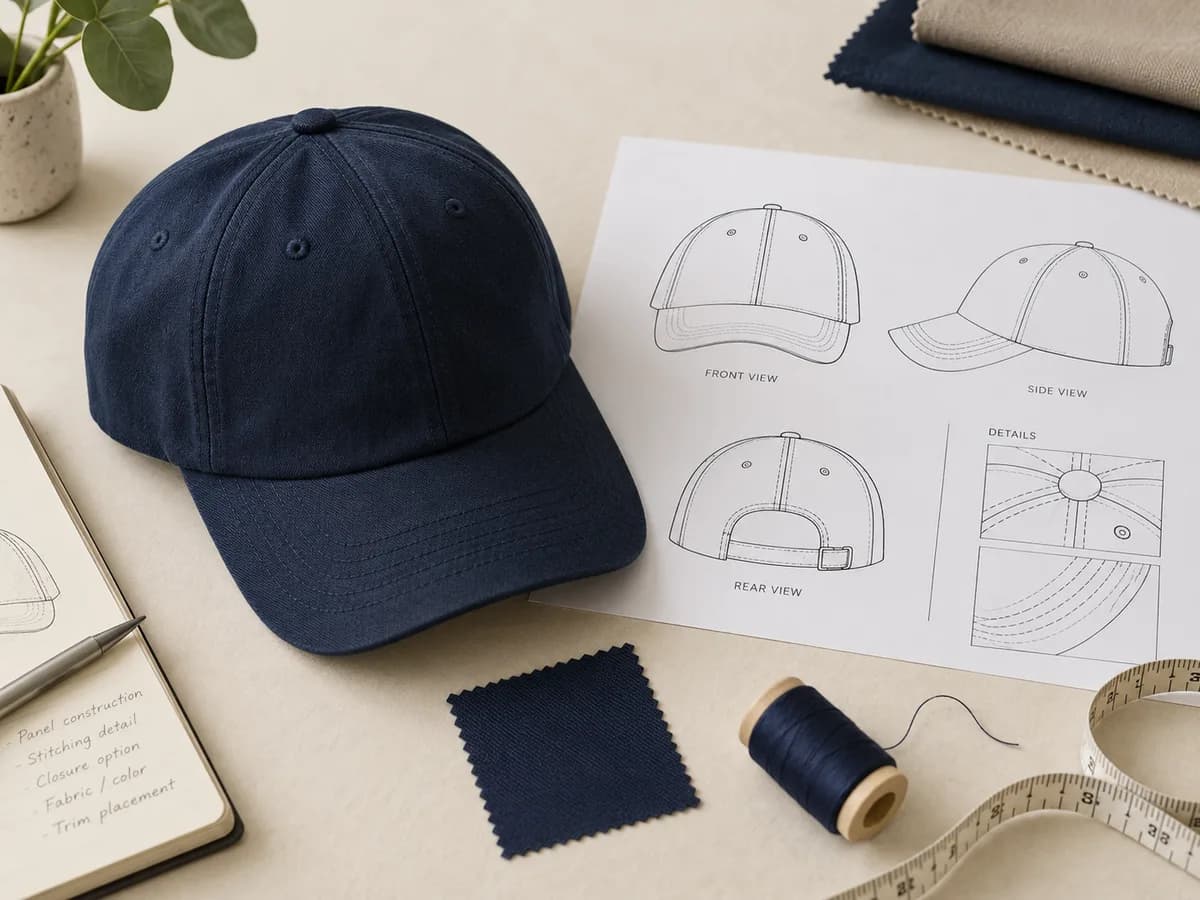
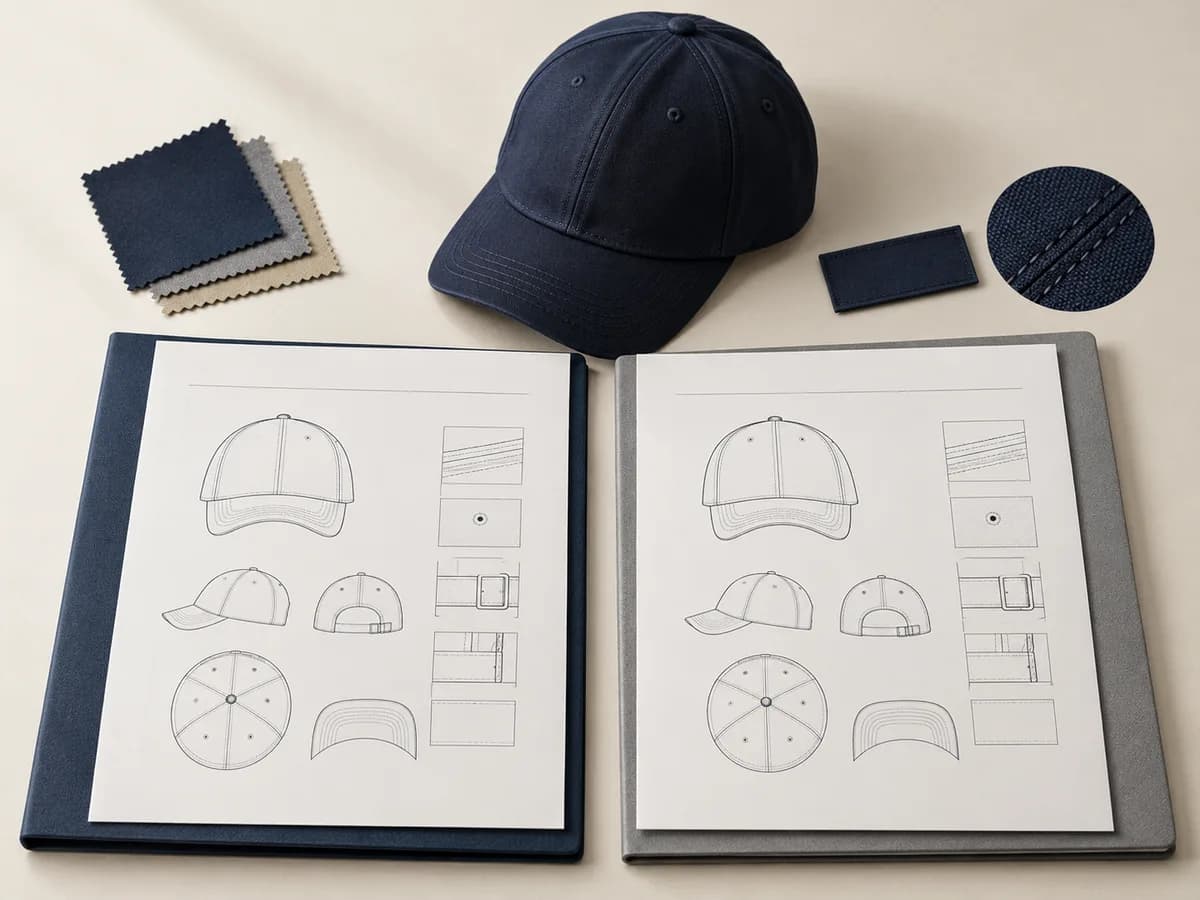
  • Front, side, rear and inside references
  • Fabric, artwork size and placement
  • What is fixed—and what is open
YOU LEAVE WITHA brief that can be reviewed
Read the full chapter ↗
02 / Plan the quantity

Does my bulk hat order meet the minimum?

Check each style-and-color combination. A large collection total does not cover a colorway below the minimum.

  • 300 pieces per style, per color
  • Show artwork and trim variations separately
  • Keep samples outside the bulk total
YOU LEAVE WITHA quantity for every combination
Read the full chapter ↗
03 / Compare the scope

Am I comparing the same quotation?

Use the same specification, quantities and destination, then identify what each offer includes or leaves open.

  • Material, construction and decoration
  • Samples, labels, hangtags and packing
  • Delivery scope and unresolved items
YOU LEAVE WITHA comparable written quotation
Read the full chapter ↗
04 / Build the schedule

When can the order arrive?

Sampling, review, bulk production and transport are separate stages. Plan backward from the date you need the hats.

  • 7–10 working days for sampling
  • 30–45 working days for bulk production
  • Add review, revisions and transport
YOU LEAVE WITHAn agreed sequence of milestones
Read the full chapter ↗
05 / Review the sample

What exactly am I approving?

One identifiable sample version against one specification. Record accepted details and pending changes separately.

  • Fit, shape and construction
  • Material, artwork and placement
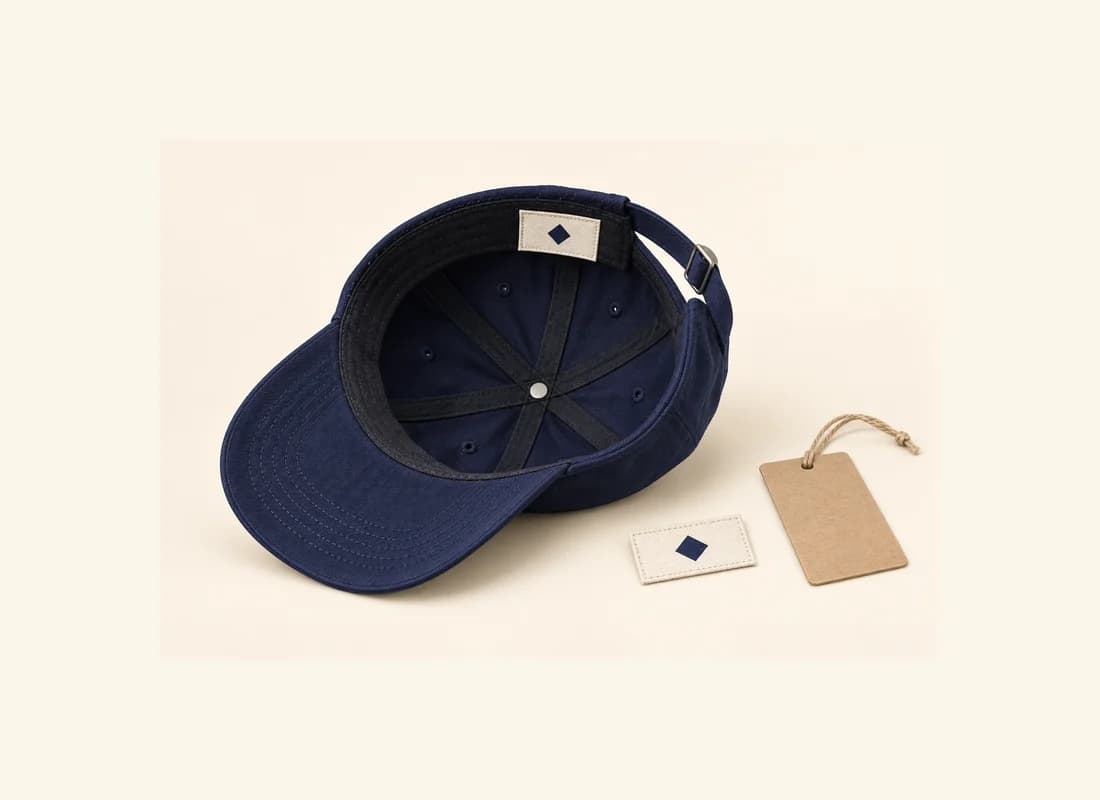
  • Closure, inside finish and presentation
YOU LEAVE WITHA consolidated revision record
Read the full chapter ↗
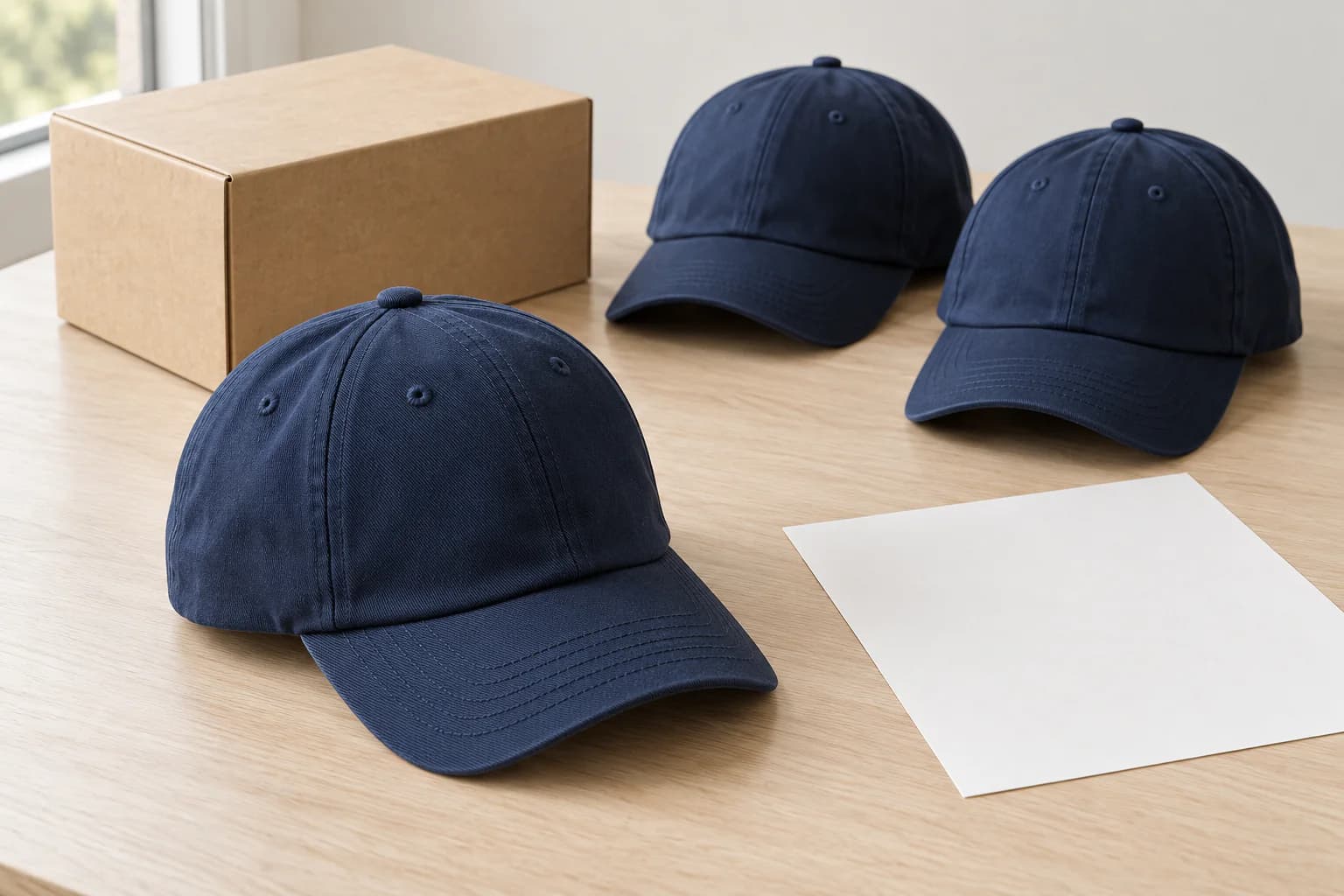
06 / Prepare the handoff

What needs agreeing before dispatch?

Packing, identification, receiving details and transport arrangements belong in the order plan before the cartons close.

  • Grouping by style and colorway
  • Labels, carton identification and packing
  • Destination, collection and arrival
YOU LEAVE WITHA clear packing and delivery handoff
Read the full chapter ↗
07 / Resolve logo detail

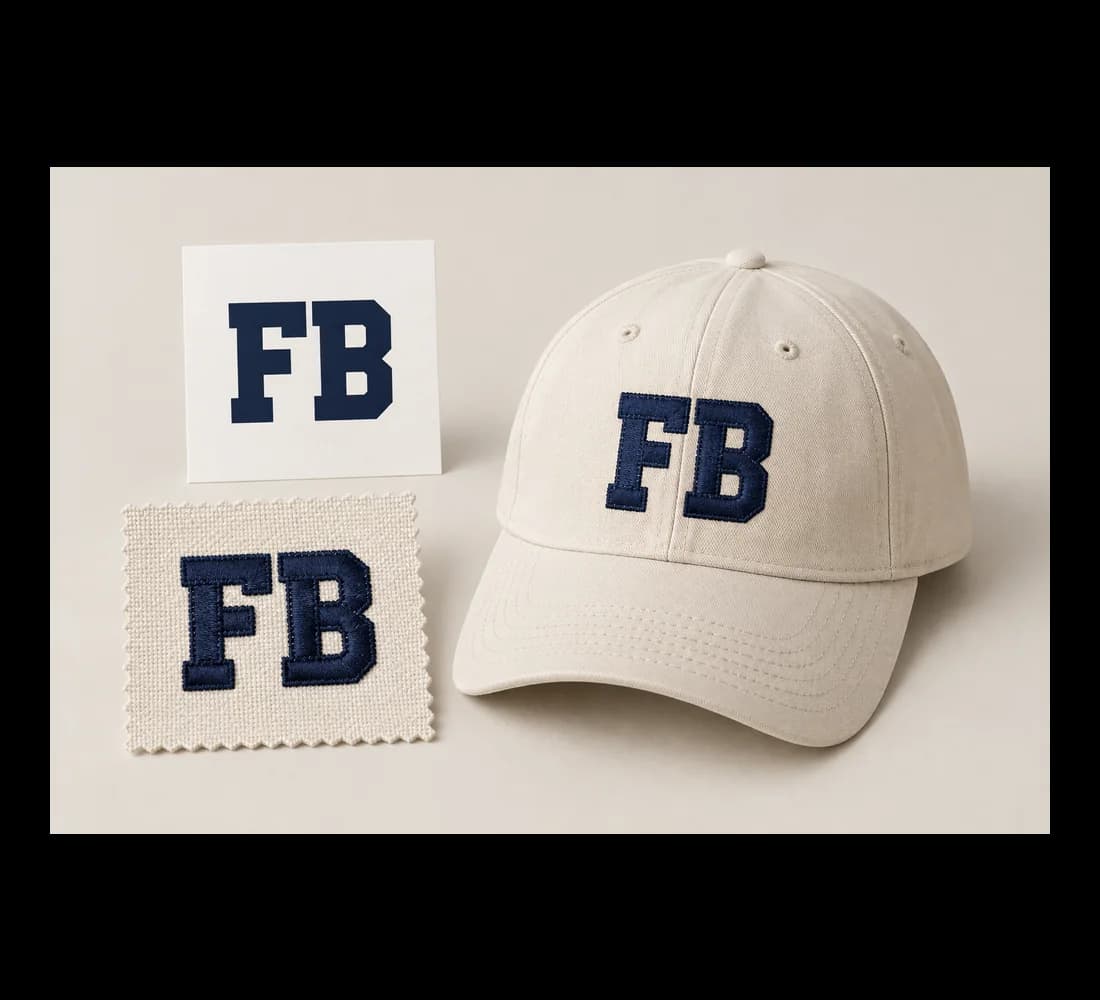
Why does my stitched logo lose detail?

Check the actual logo size, lettering and cap surface before asking for another embroidery sample.

  • Compare the artwork with the sewn result
  • Separate detail, placement and fabric issues
  • Send one marked revision record
YOU LEAVE WITHAn actionable embroidery review
Read the full chapter ↗
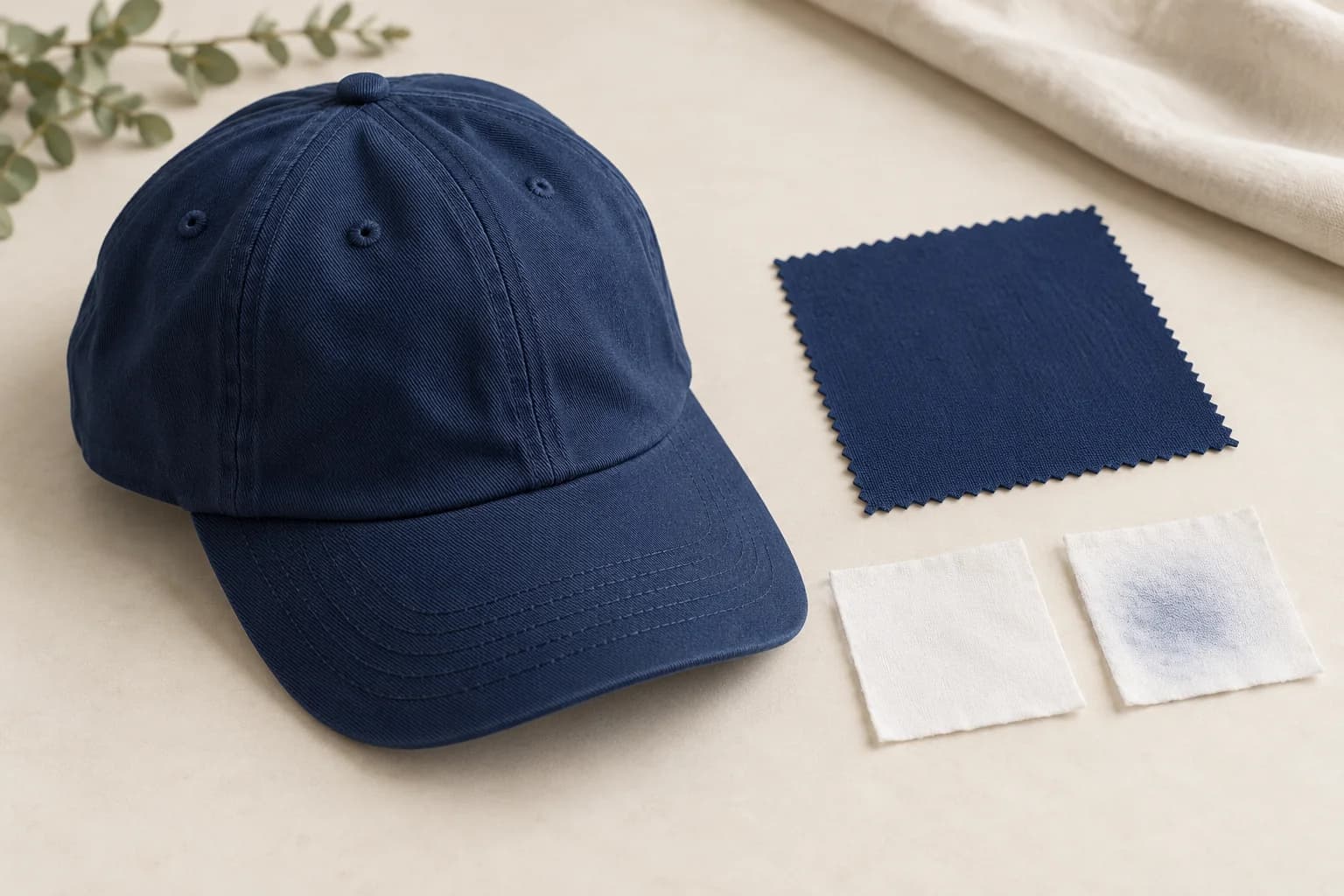
08 / Agree the color

Why do the fabric and thread look different?

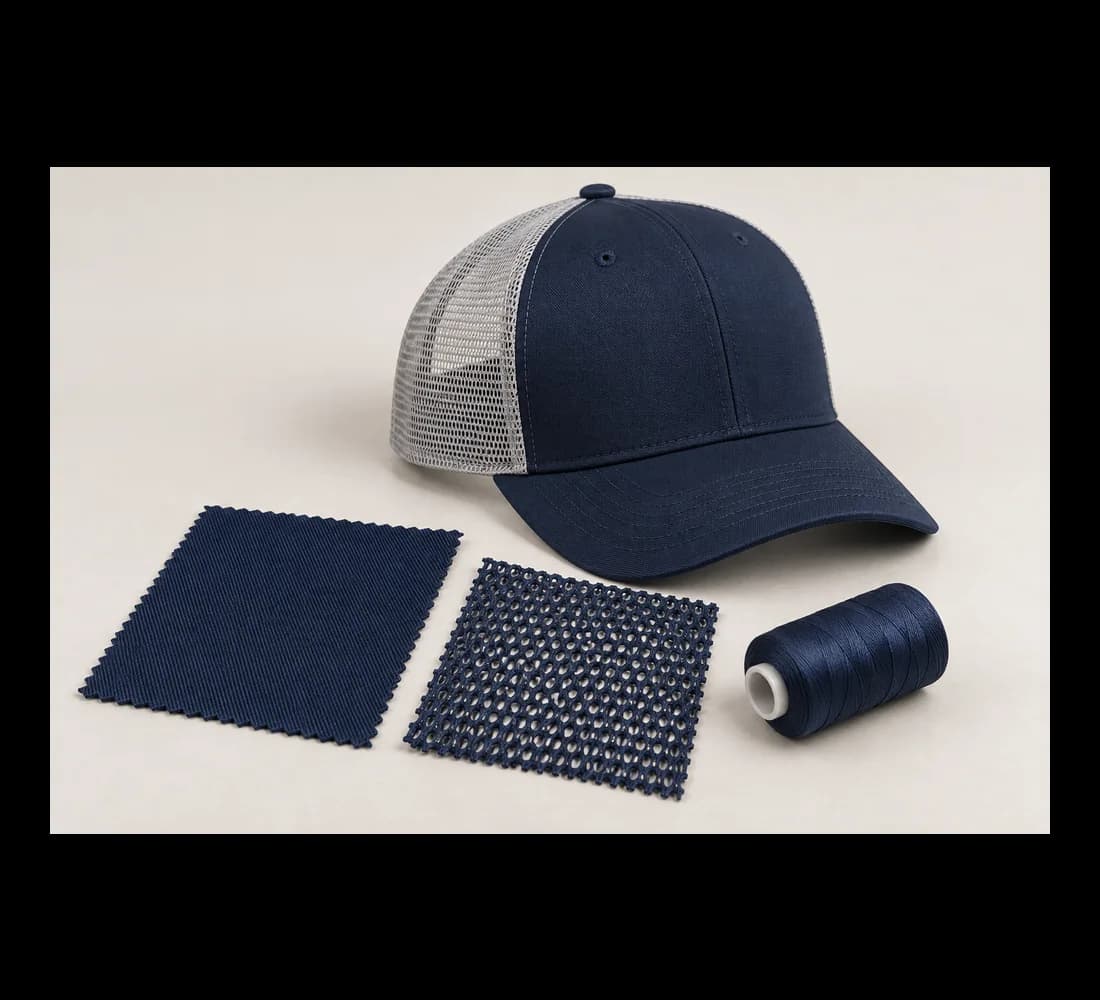
Review the crown, mesh, brim and thread as separate components, then approve how they look together.

  • Identify the physical reference for each part
  • Compare materials under agreed lighting
  • Record accepted and pending colors separately
YOU LEAVE WITHA component-by-component color record
Read the full chapter ↗
09 / Plan cap construction

What should buyers approve through cap manufacturing?

Carry the crown-support choice from the brief through sampling, decoration and the reference approved for bulk production.

  • Separate shaping support from embroidery backing
  • Record opening, depth and local contact findings
  • Keep accepted details fixed in the next sample
YOU LEAVE WITHA cap construction and production-reference brief
Read the full chapter ↗
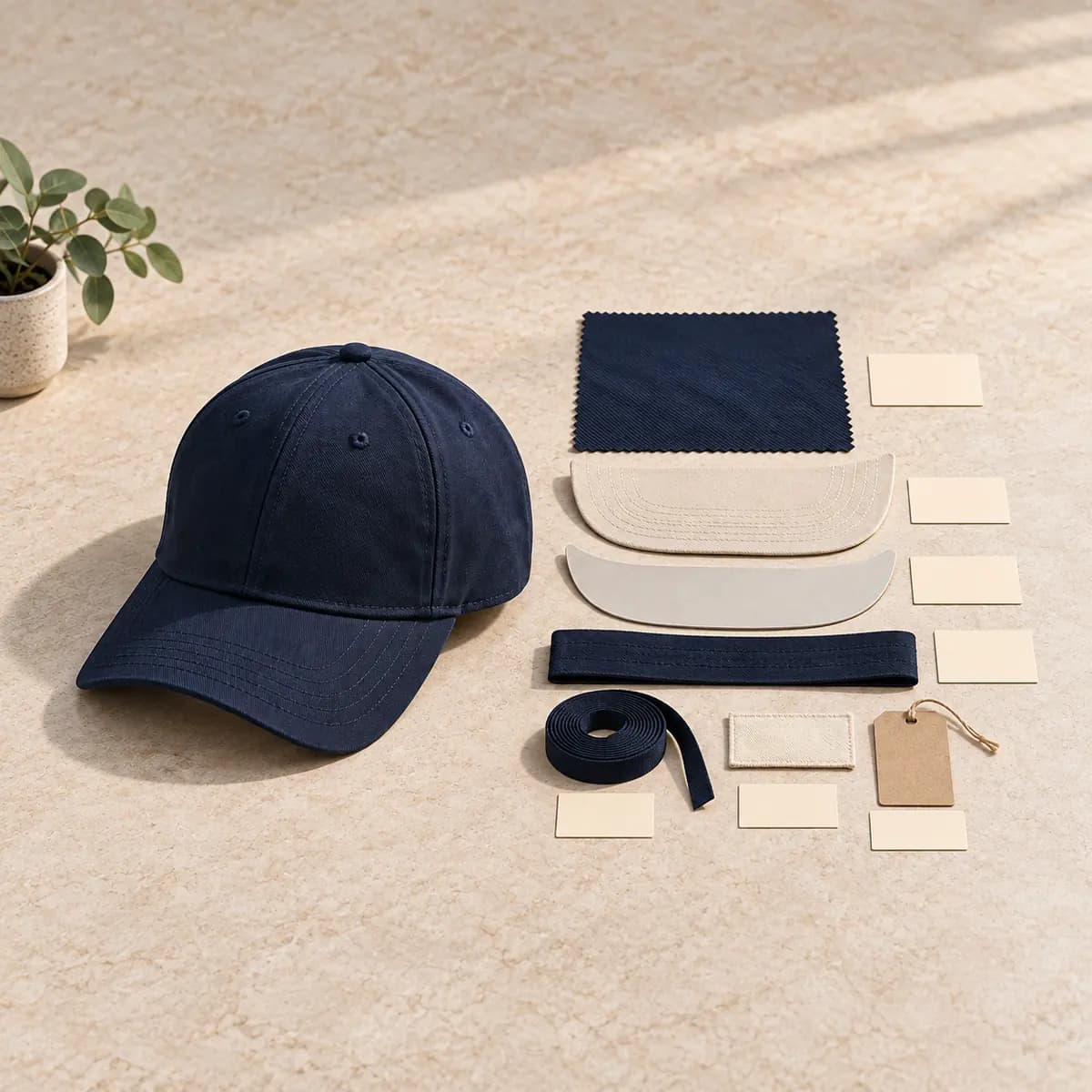
10 / Approve the size set

Which hat sizes are ready for bulk production?

Plan the physical samples, repeat the measurement method and record accepted and pending sizes before releasing the range.

  • Agree which sizes need physical review
  • Separate fixed sizes from adjustable settings
  • Record approval and quantities for each size
YOU LEAVE WITHA size-set measurement and approval record
Read the full chapter ↗
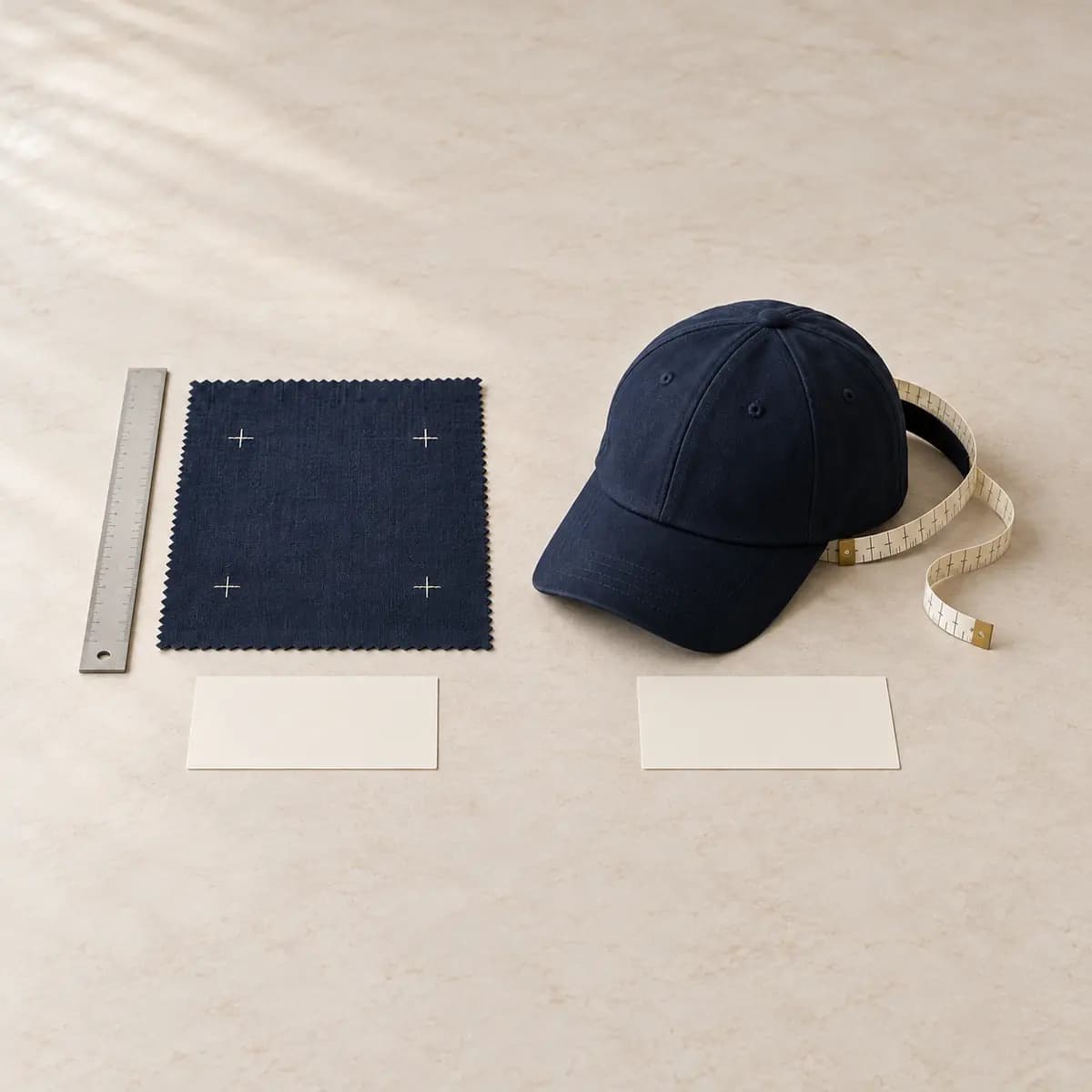
11 / Approve the label

Is the label ready to be sewn into the order?

Choose the fold from the attachment point, calculate usable artwork space and trace a sample problem to its source.

  • Match the fold to the attachment point
  • Separate artwork, component and sewing faults
  • Approve the revised detail on the actual hat
YOU LEAVE WITHA label diagnosis and approval record
Read the full chapter ↗
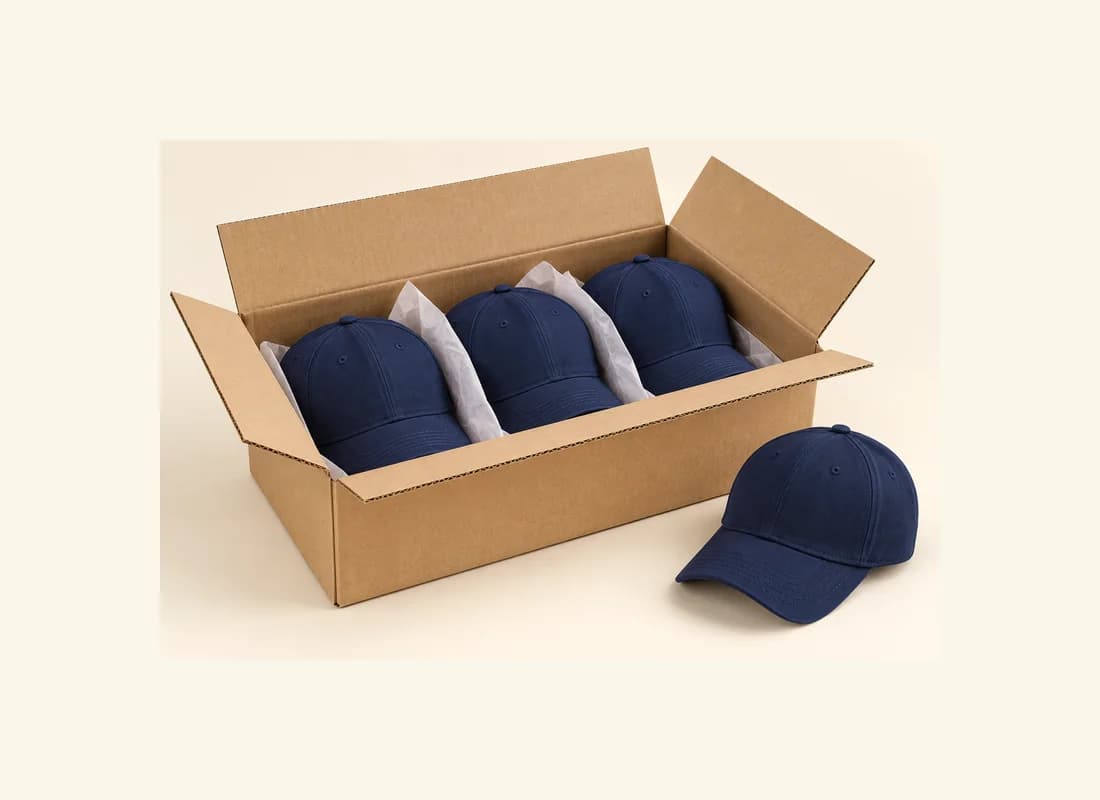
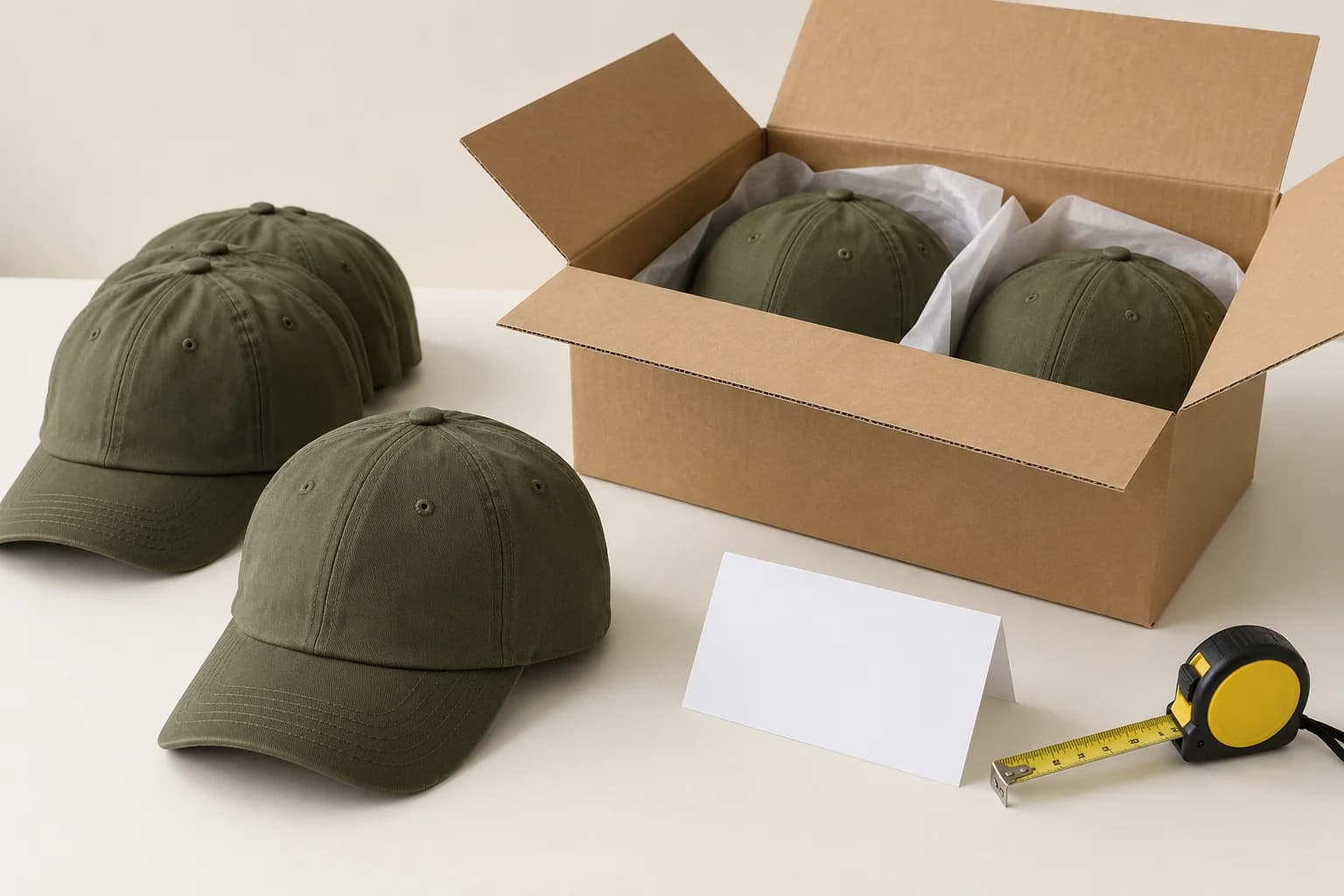
12 / Specify the carton plan

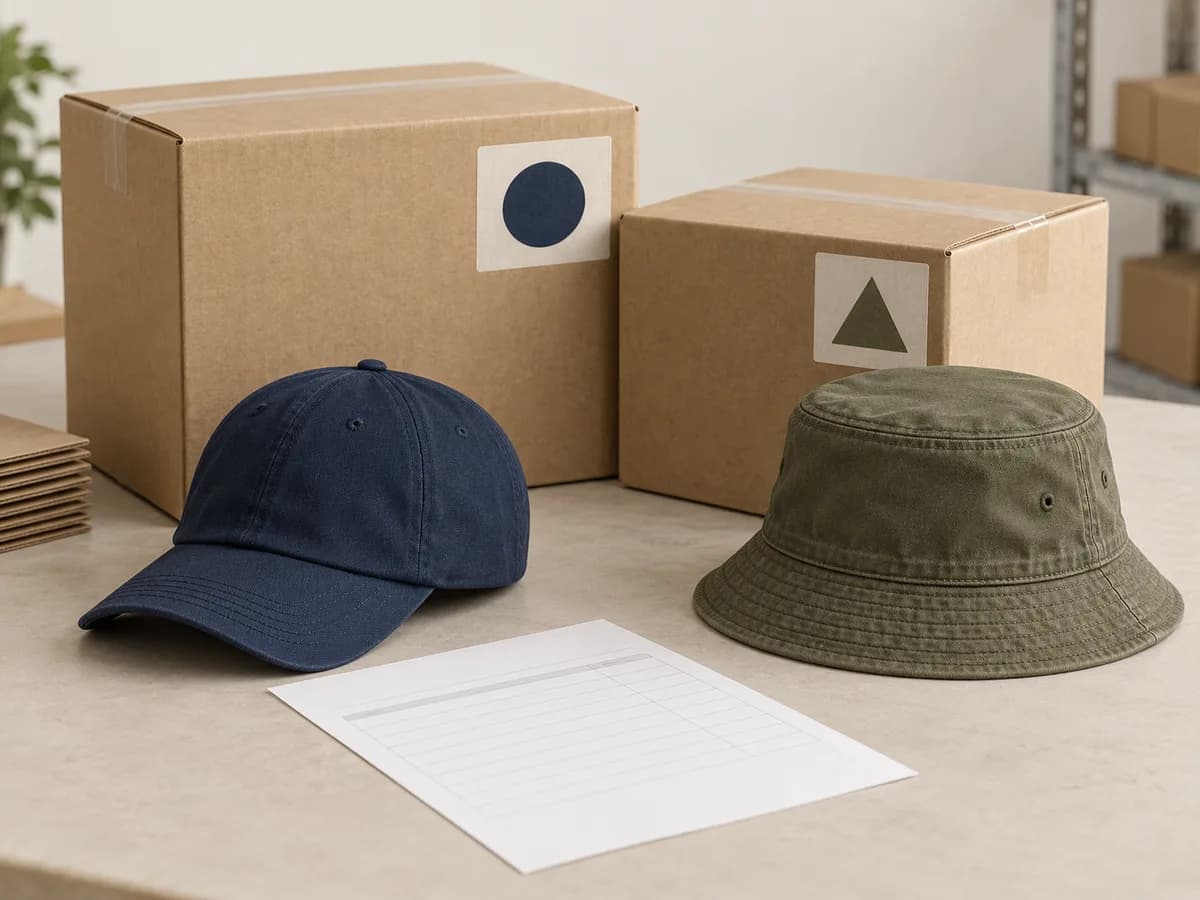
Will the hats arrive protected and easy to count?

Compare protection, volume per hat and receiving work, including the partial cartons hidden by a simple box count.

  • Check the packed and unpacked shape
  • Compare total volume including partial cartons
  • Reconcile carton marks with actual contents
YOU LEAVE WITHA packing comparison and approval record
Read the full chapter ↗
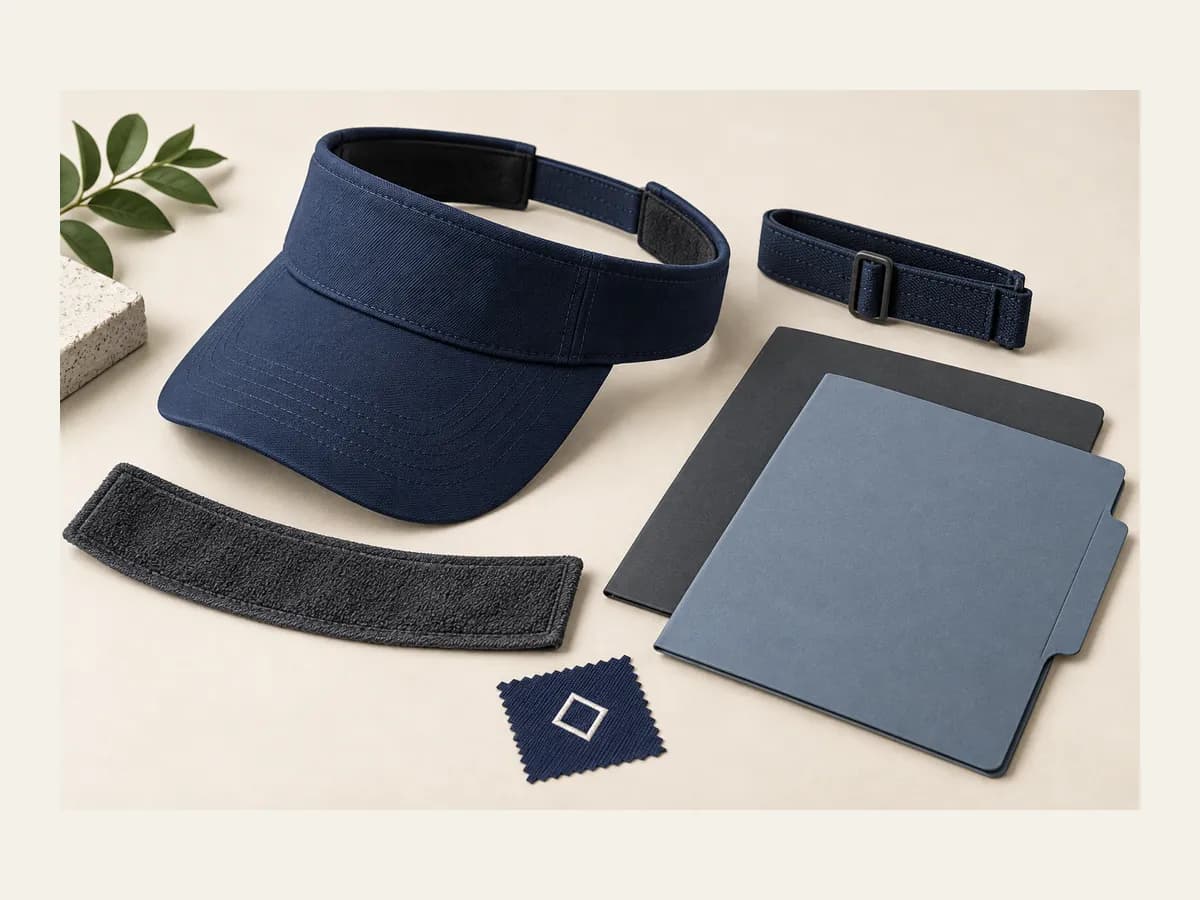
13 / Source sun visors

What belongs in a bulk visor quotation?

Give suppliers the same band, brim, sweatband, decoration and packing scope before comparing their offers.

  • Define every component and adjustment
  • Separate base scope from optional additions
  • Use the sample to close open decisions
YOU LEAVE WITHA comparable sun visor quote request
Read the full chapter ↗
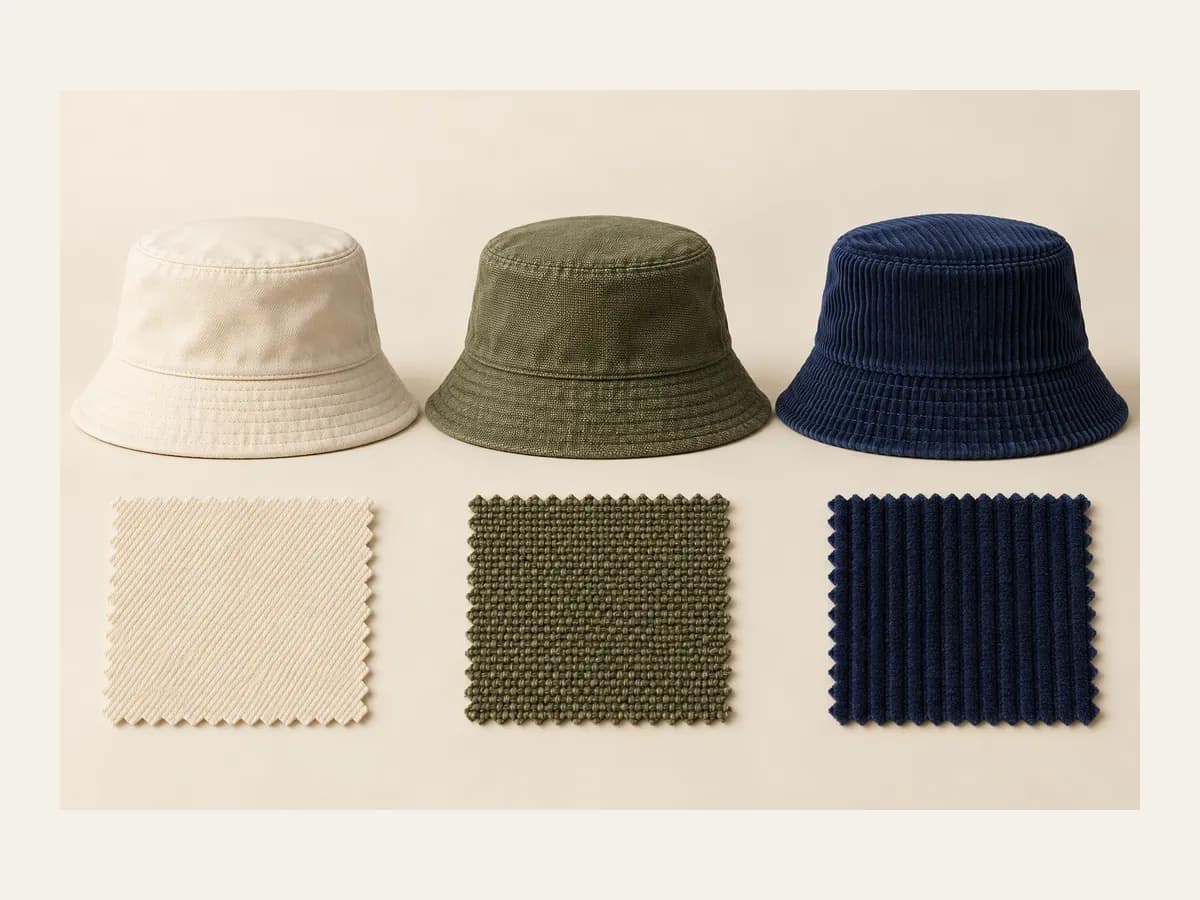
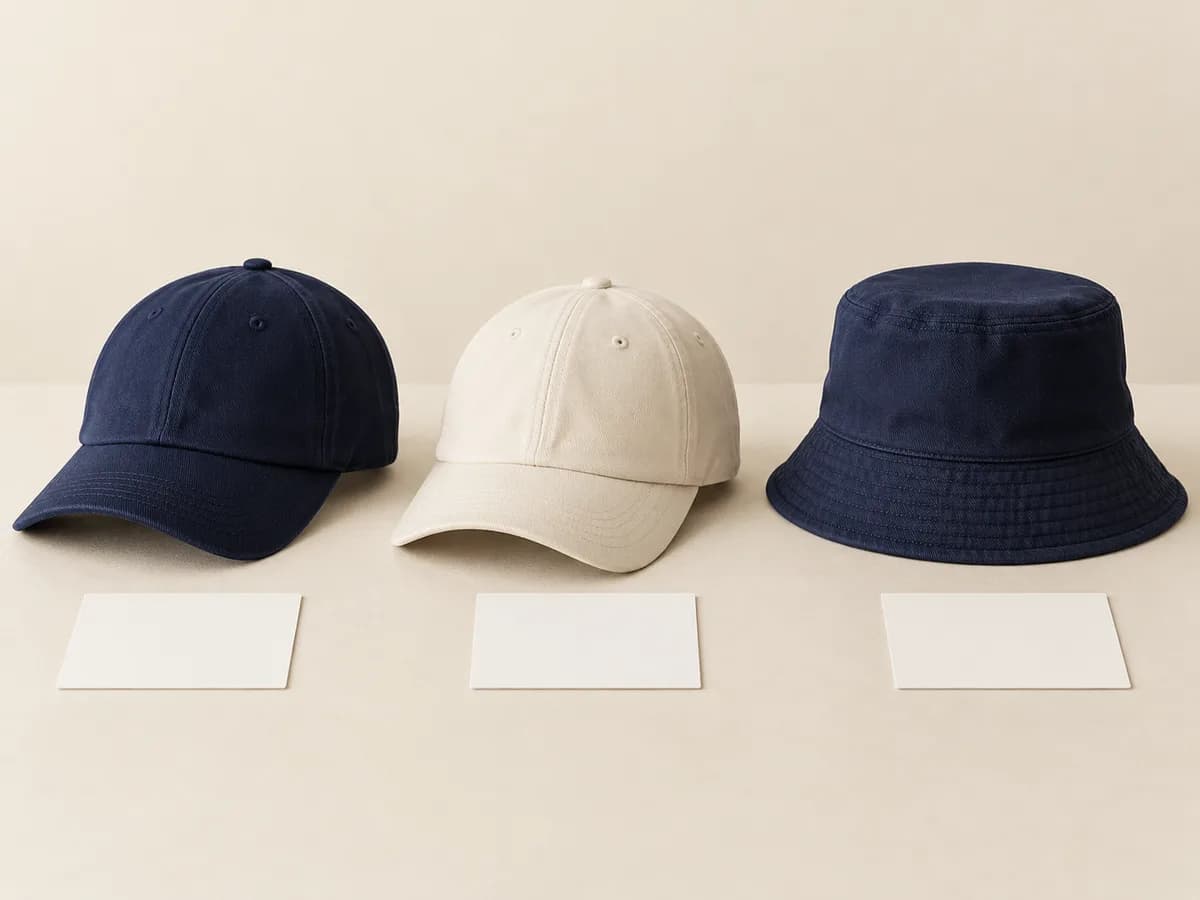
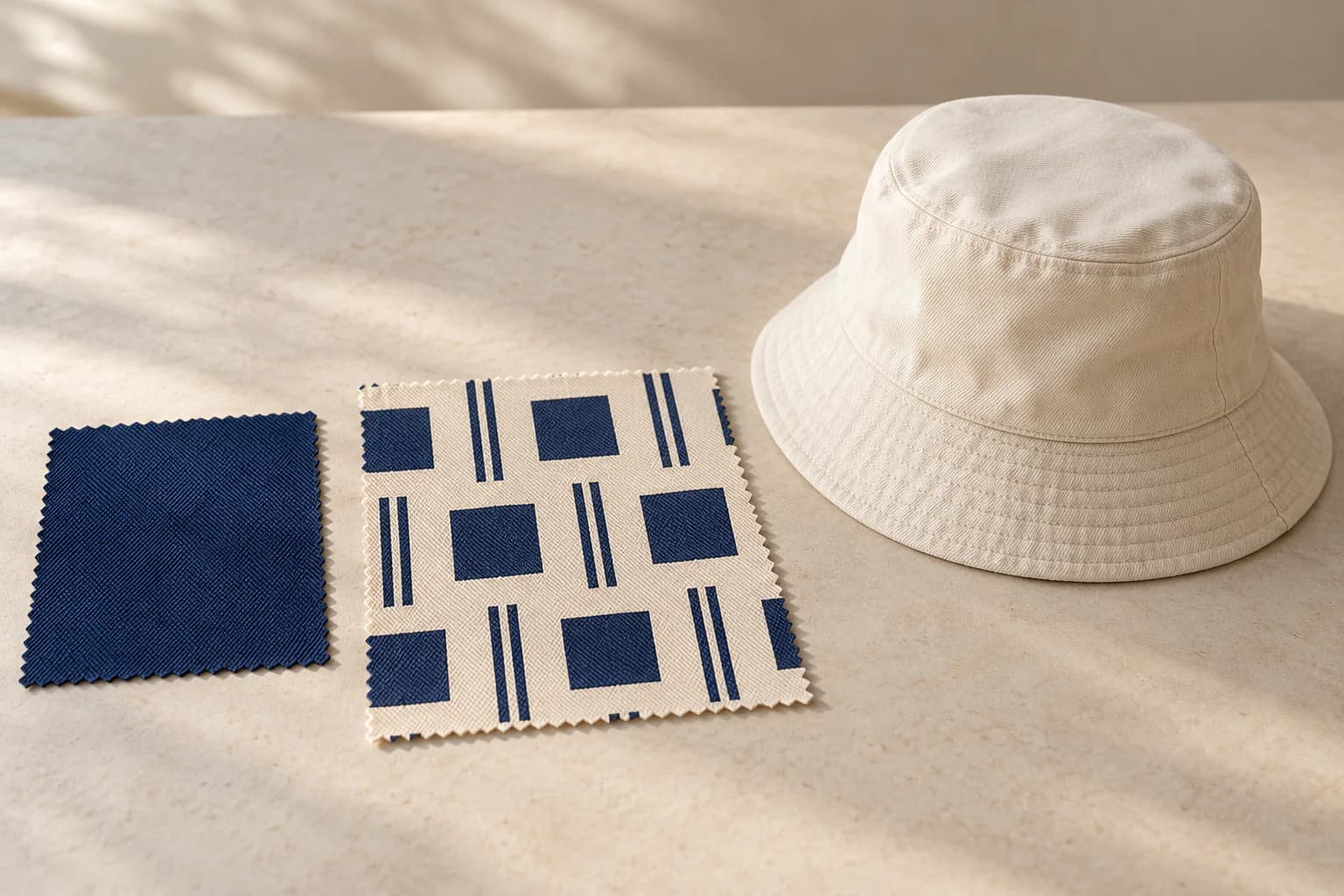
14 / Choose bucket fabric

Which fabric suits our bulk bucket hat order?

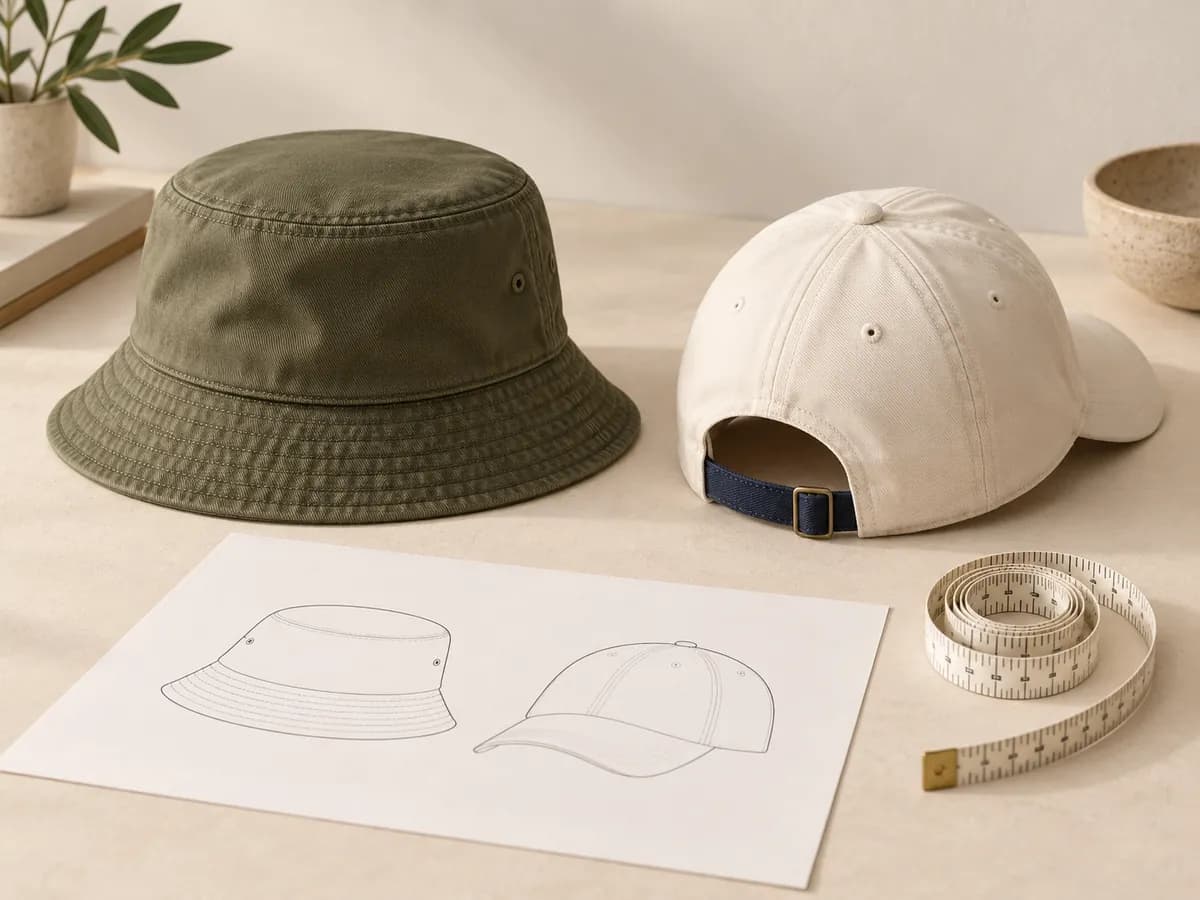
Compare the finished silhouette, brim and decoration together, then retain a traceable material and sample reference.

  • Compare actual swatches and construction
  • Review artwork on the selected surface
  • Separate material, fit and finish approvals
YOU LEAVE WITHA bucket hat material comparison brief
Read the full chapter ↗
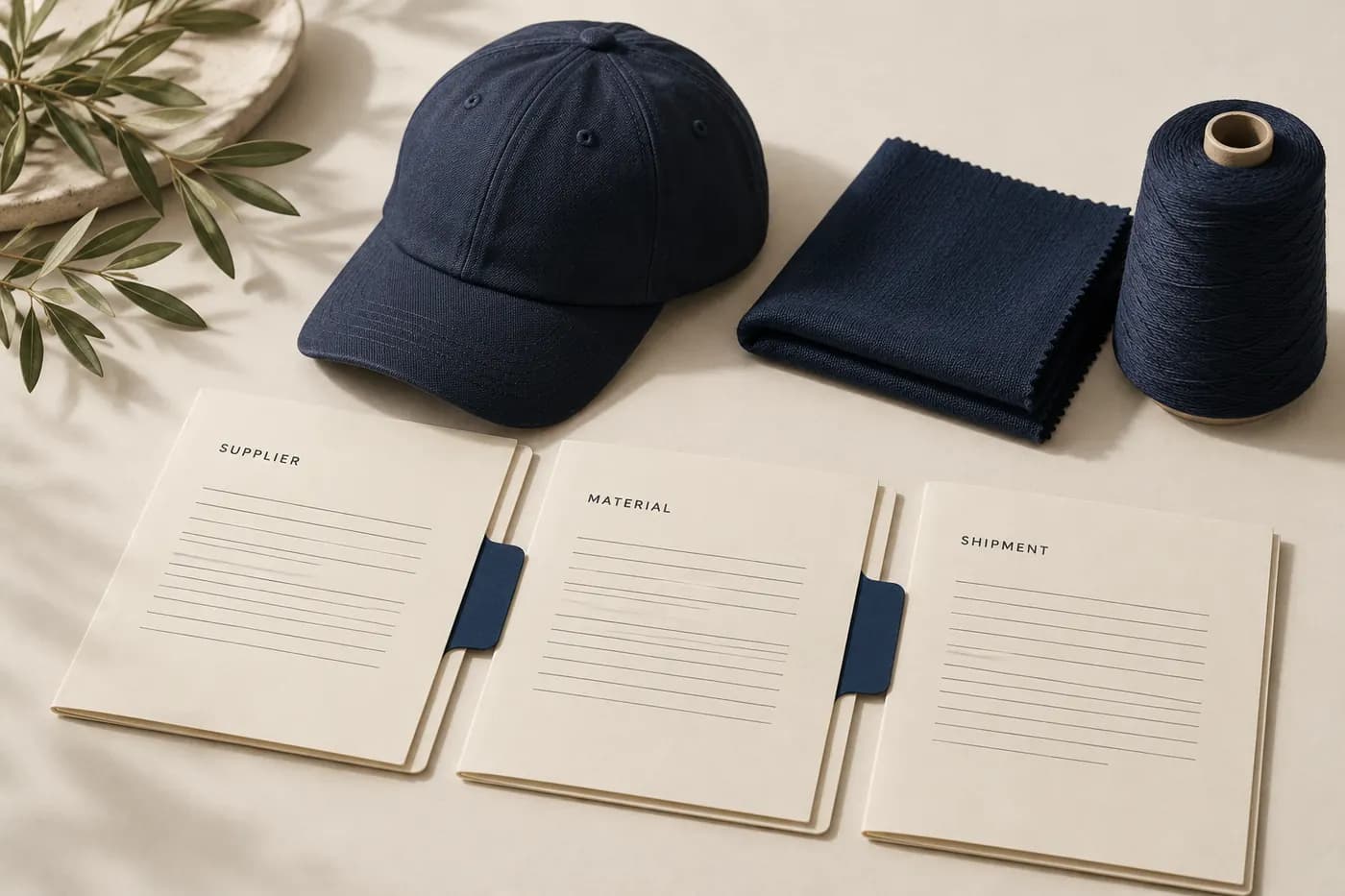
15 / Check material evidence

Does the evidence support this hat order?

Connect the material requirement, certified parties and shipment records before approving the order or a claim.

  • Identify the component and material reference
  • Check scope and shipment evidence separately
  • Keep unsupported claims and substitutions pending
YOU LEAVE WITHA material and certification evidence review
Read the full chapter ↗
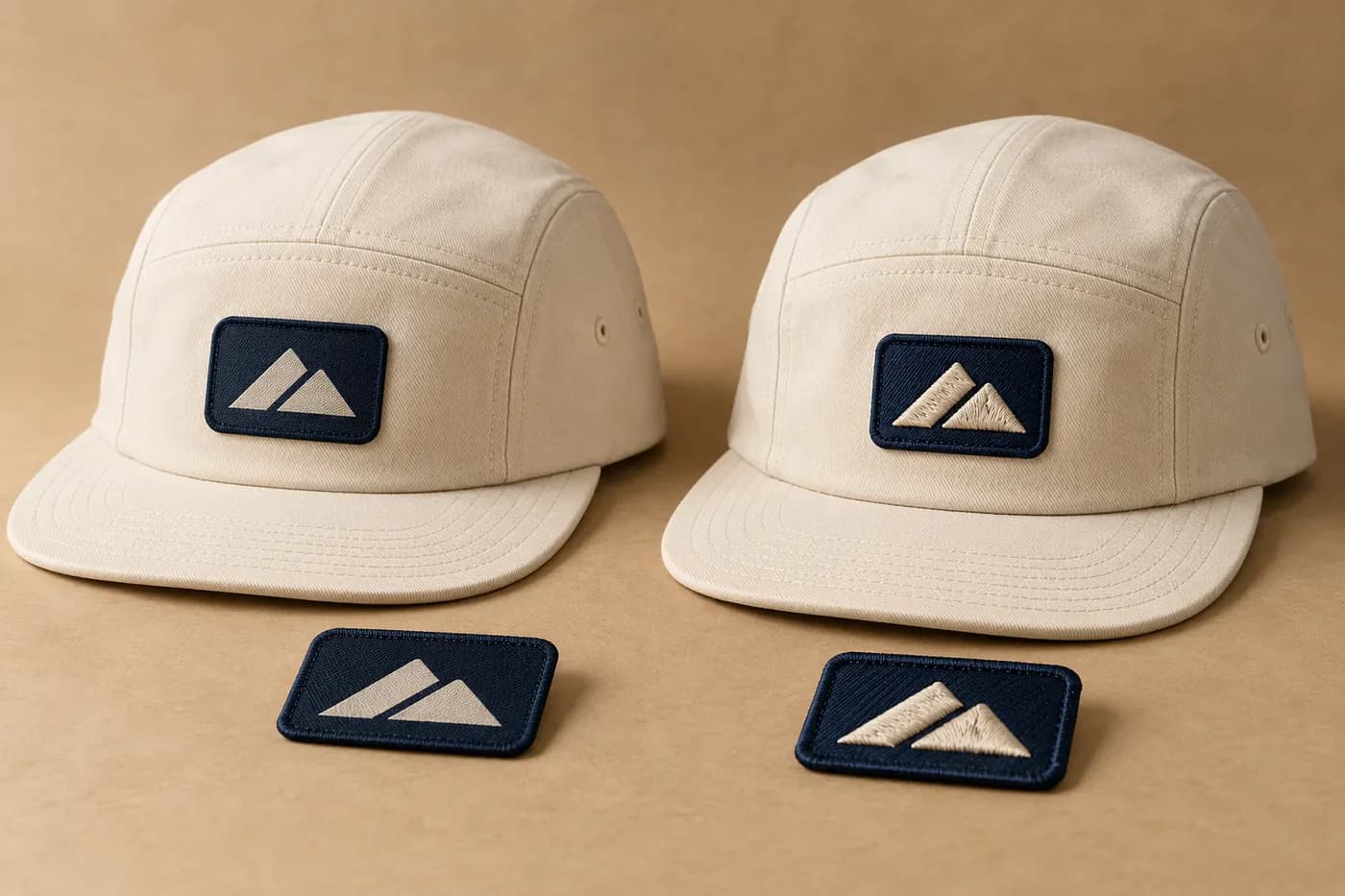
16 / Compare hat patches

Which patch works on the finished hat?

Compare fine detail, texture and attachment using the same artwork dimensions and the intended cap or cuff.

  • Compare artwork at its finished dimensions
  • Inspect the patch edge and inside attachment
  • Release one documented sample revision
YOU LEAVE WITHA patch comparison and sample approval brief
Read the full chapter ↗
17 / Define lot acceptance

Which hat lot is ready for release?

Define the goods, requirements and sampling arrangement, then retain the findings and authorized release decision together.

  • Identify the lot and controlling references
  • Agree the plan, counting basis and inspection scope
  • Record corrections, rechecks and release responsibility
YOU LEAVE WITHA traceable lot-acceptance brief
Read the full chapter ↗
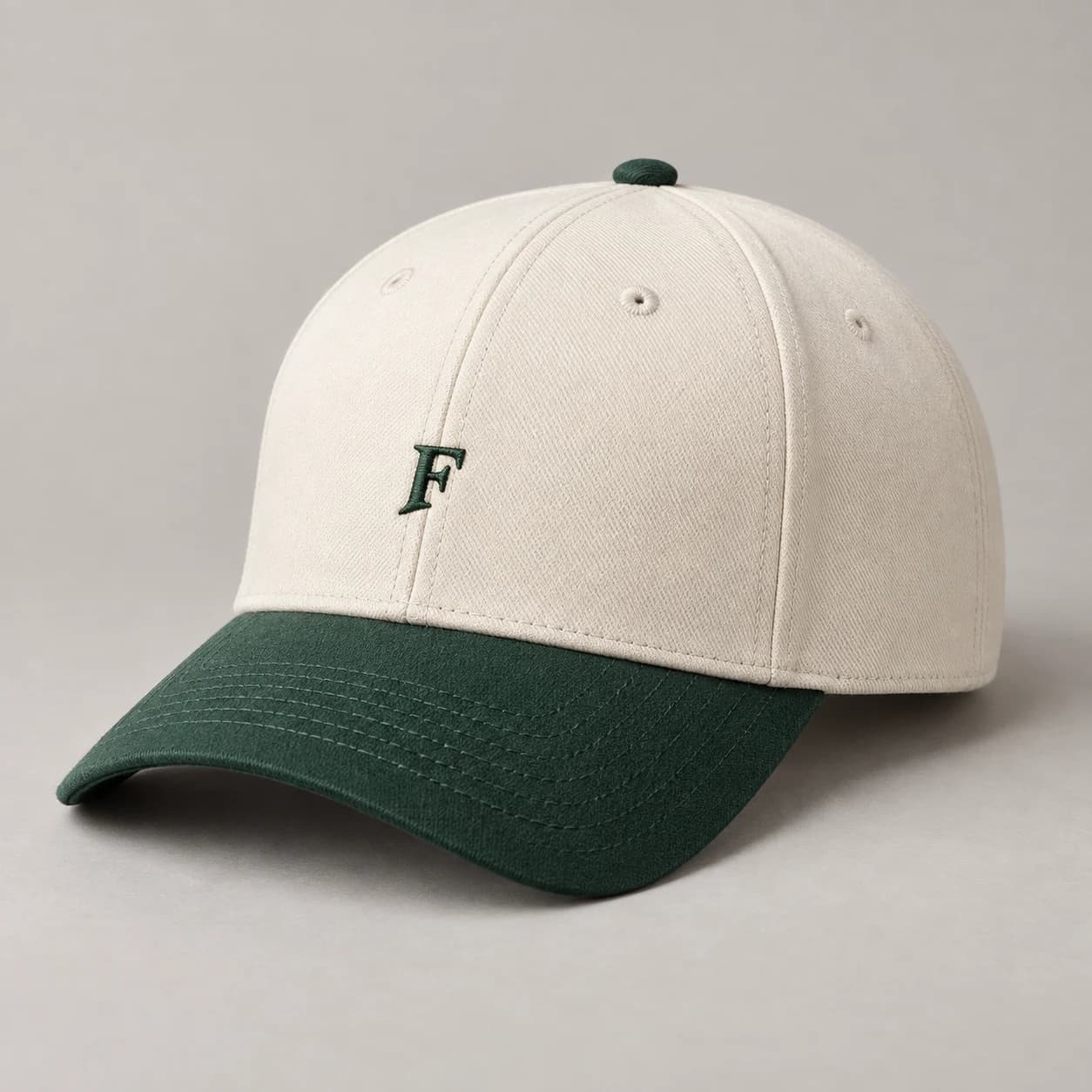
18 / Choose the approval sample

Do we need a lab dip, a strike-off or both?

Identify whether the decision concerns a dyed material or printed design, then connect that approval to the sewn hat and production handoff.

  • Name the substrate and proposed process
  • Keep artwork scale and submission revisions identifiable
  • Separate material approval from the finished hat
YOU LEAVE WITHA material and print approval request
Read the full chapter ↗
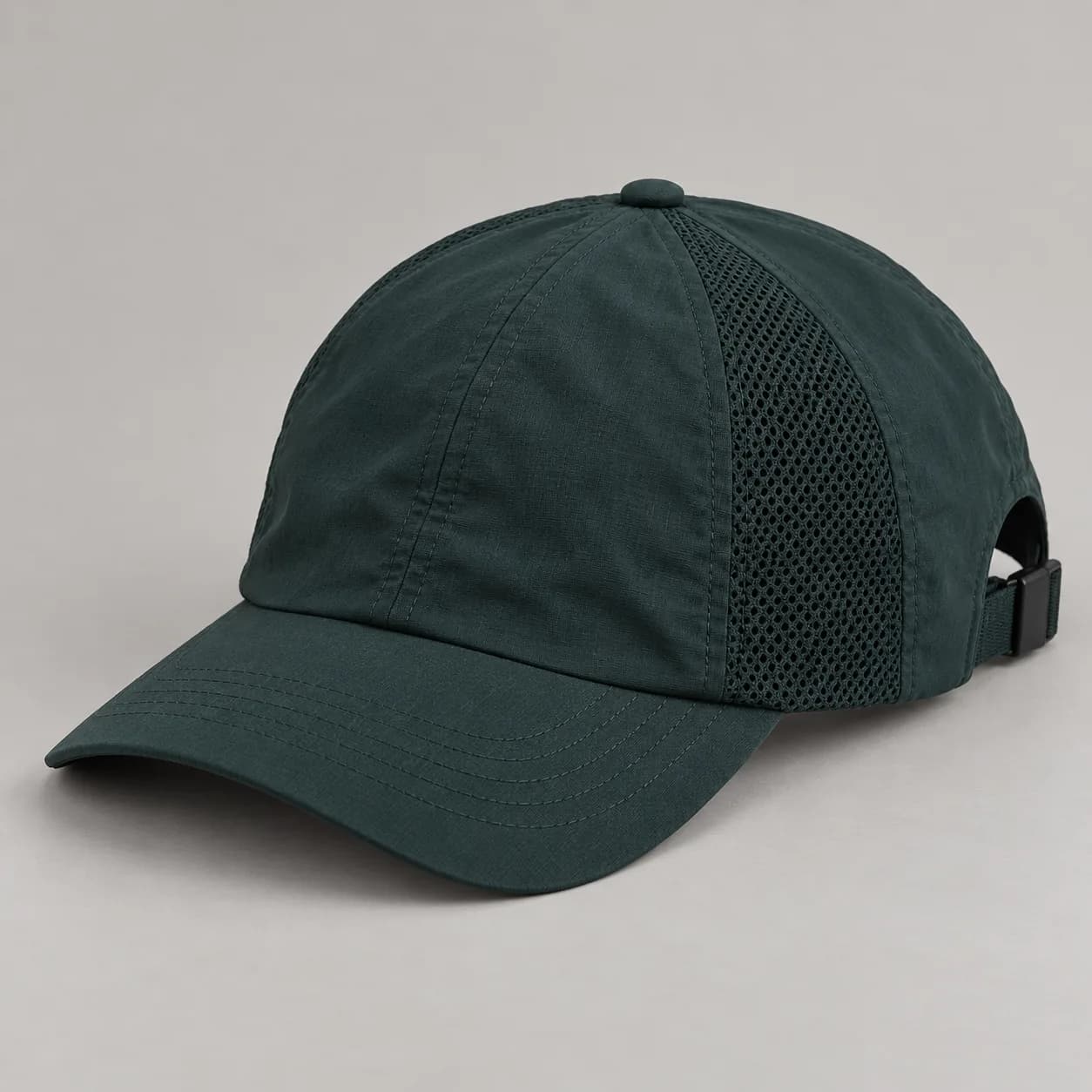
19 / Specify material evidence

Which colorfastness evidence belongs to this hat material?

Match the component and exposure to an identifiable testing request, then connect the report with the material and sample revision.

  • Define exposure and contact surfaces
  • Trace each submitted component
  • Separate evidence acceptance from appearance approval
YOU LEAVE WITHA component-specific testing and evidence brief
Read the full chapter ↗
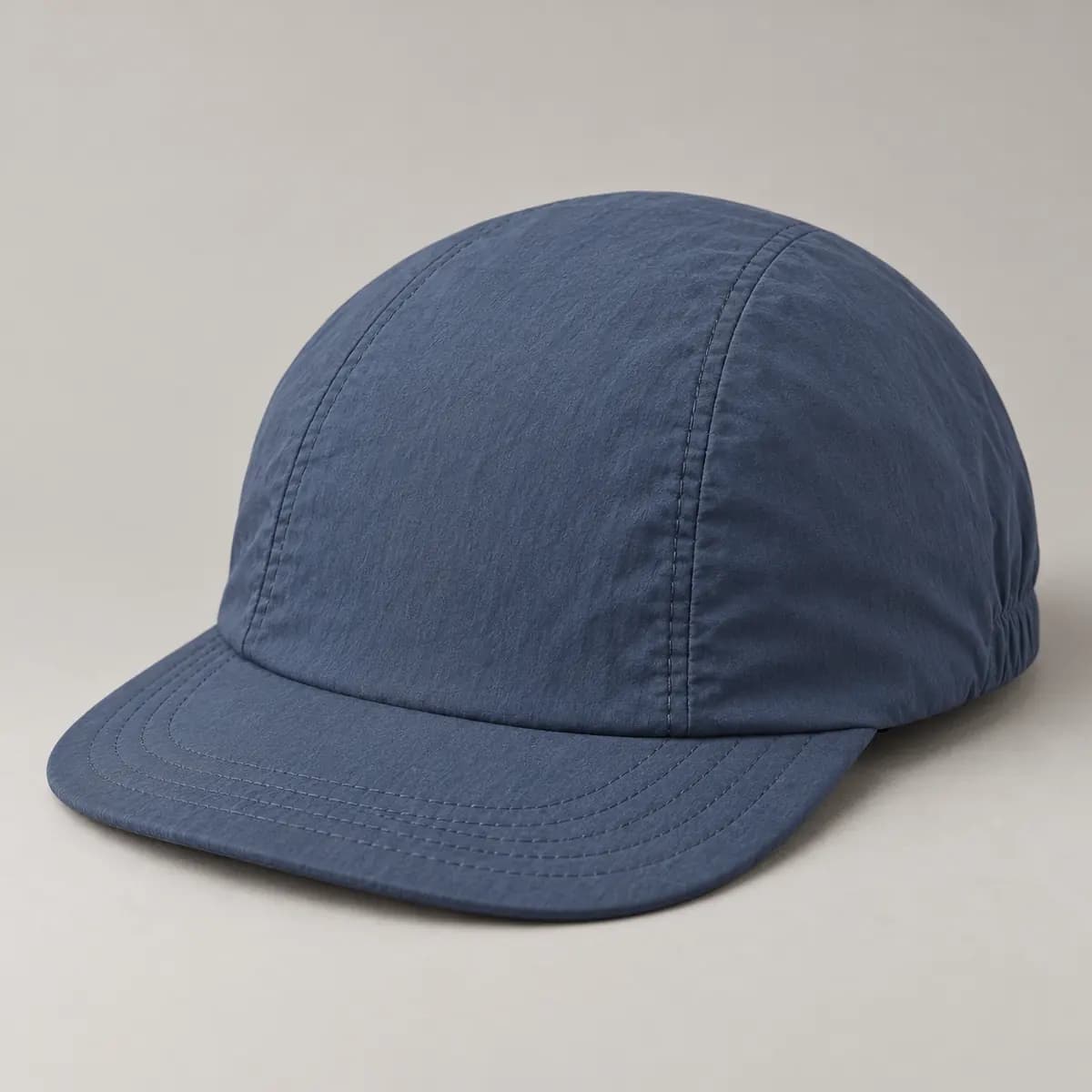
20 / Prepare the inspection

Is the hat order ready for the booked inspection?

Confirm available goods, controlling references and the review scope, then assign any corrective actions before the dispatch decision.

  • Reconcile finished and packed quantities
  • Supply one current reference packet
  • Record actions, verification and release responsibility
YOU LEAVE WITHAn inspection booking and discrepancy handoff packet
Read the full chapter ↗
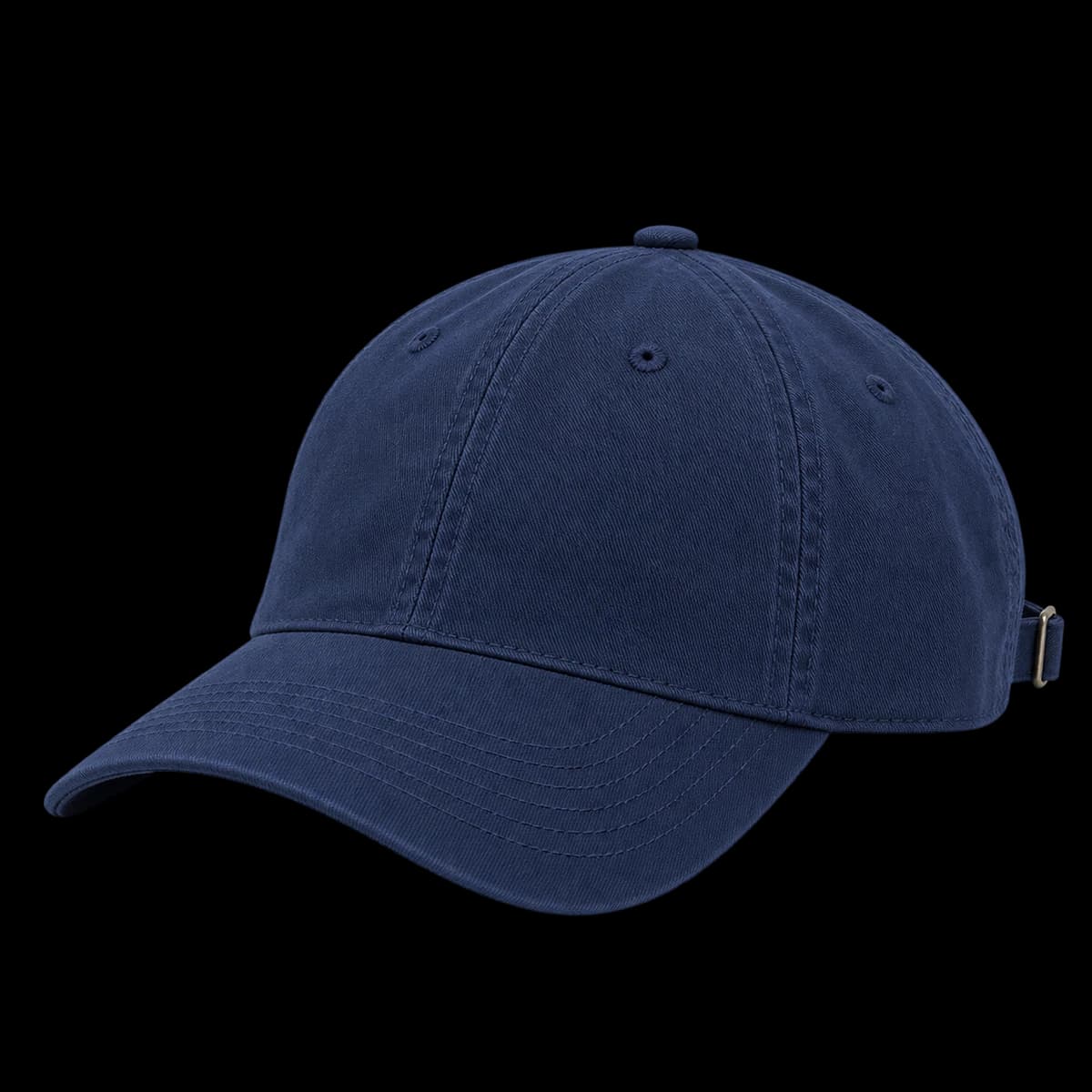
21 / Map the components

Which component reference belongs in each hat colorway?

Use a worked hat BOM to trace shared materials, colorway-specific parts and a proposed substitute before closing the sample record.

  • Identify every component and colorway
  • Keep consumption and unconfirmed specifications open
  • Record the substitute and approvals it reopens
YOU LEAVE WITHA component matrix and revision record
Read the full chapter ↗
22 / Check dimensional evidence

Which fabric shrinkage evidence covers the proposed material?

Identify the cloth specimen, processing state and directional report scope, then keep material evidence separate from finished-hat fit approval.

  • Trace the specimen and processing state
  • Read directions, conditions and report coverage
  • Record the evidence decision and affected sample checks
YOU LEAVE WITHA material dimensional-change evidence brief
Read the full chapter ↗
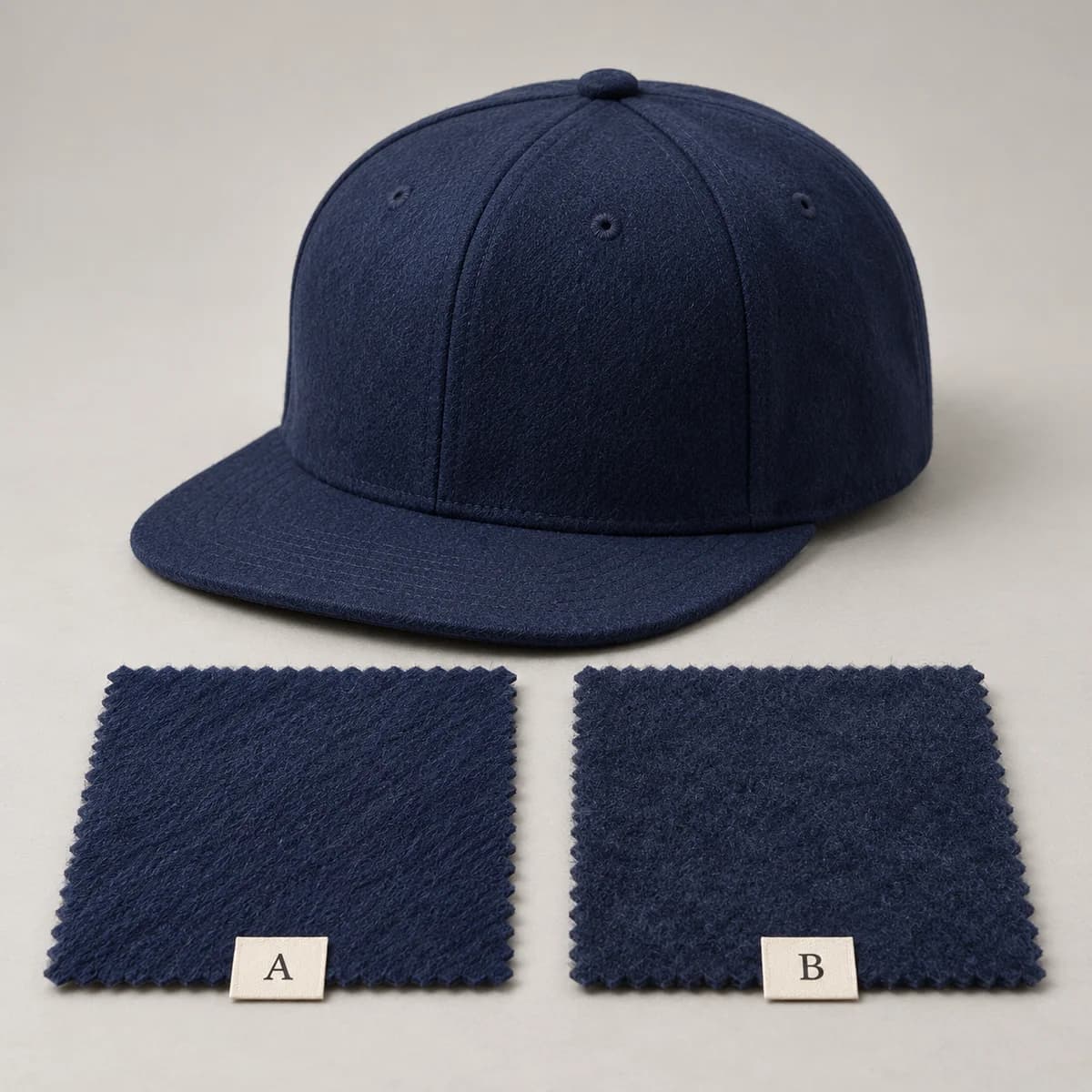
23 / Compare brushed finishes

Which brushed finish should move forward for this cap?

Compare two identified finishes for the same wool-touch snapback, then connect relevant surface-change evidence with a retain, revise or pending decision.

  • Separate intended nap, fuzz and attached pills
  • Compare matched material states and conditions
  • Keep the sewn-cap appearance decision explicit
YOU LEAVE WITHAn A/B finish-choice record and next action
Read the full chapter ↗
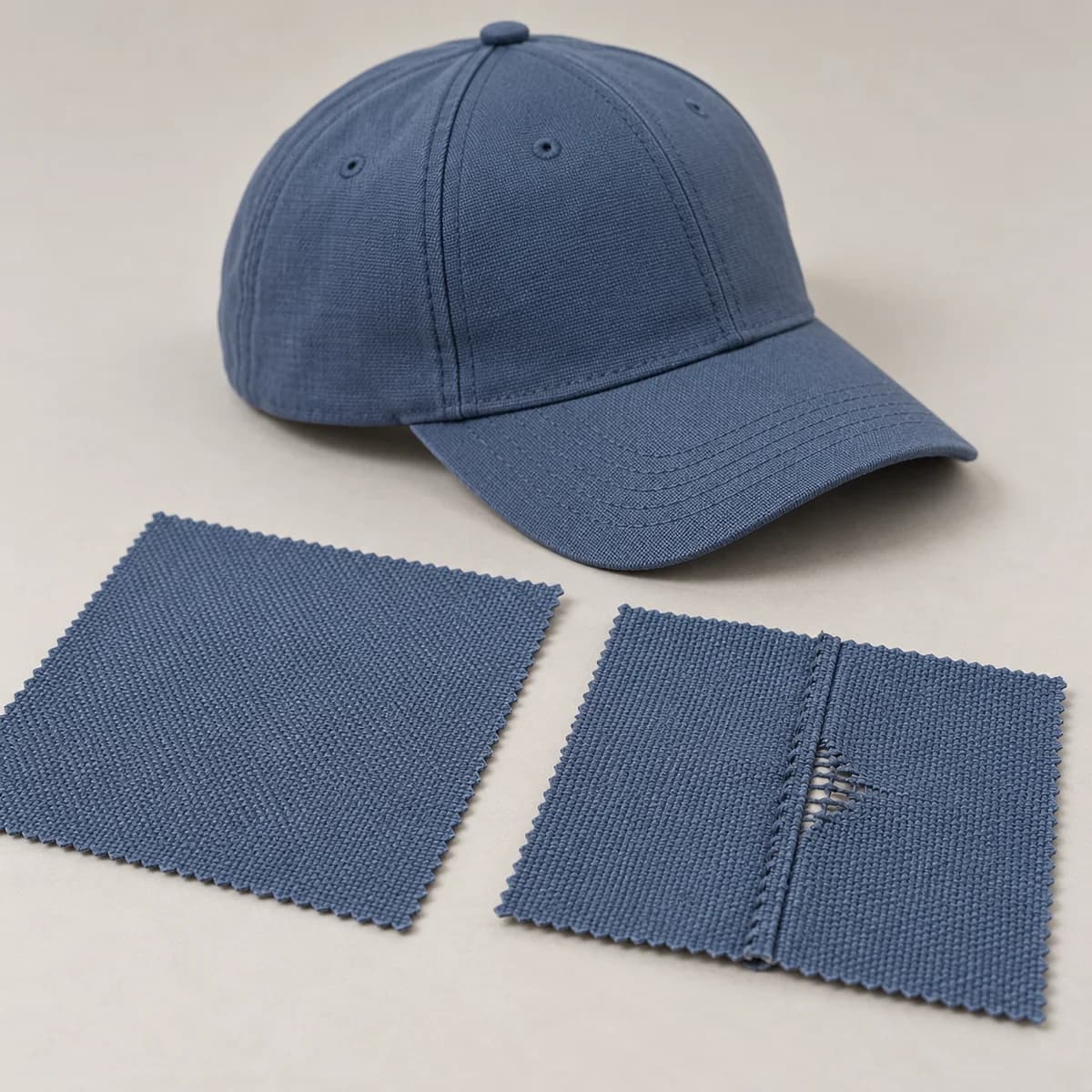
24 / Resolve the woven seam

What opened beside the stitches on this cap seam?

Distinguish yarn movement from broken sewing thread on one woven crown-seam proposal, then name the material, direction or preparation that needs review.

  • Identify the selected crown seam
  • Separate yarn displacement and stitching failure
  • Request a named revision or missing evidence
YOU LEAVE WITHA seam-specific observation and revision brief
Read the full chapter ↗
02 / PUT THE QUANTITY ON PAPER

Count the combinations.
Then the pieces.

The minimum is 300 pieces per style, per color. Use one group for one design with the same quantity in each colorway; add another group when that quantity or design changes.

GROUP 01
PLANNED BULK TOTAL600 pieces

2 style-and-color combinations meet the stated quantity minimum.

03 / PLAN THE SEQUENCE

A production date
is not an arrival date.

Share the date you need the hats—not just the date you want production to finish. Agree when each quoted lead-time period starts.

01 / Sampling reference

Brief & sample

7–10 working days

Agree the brief first. Confirm fabric, artwork and the sample scope.

02 / Approval interval

Review & revise

Project-specific

Collect changes in one revision list. Discuss whether another sample is needed.

03 / Production reference

Bulk production

30–45 working days

Use the agreed sample and order breakdown. Confirm packing requirements.

04 / Transport interval

Dispatch & arrival

Destination-specific

Confirm the packed order, collection arrangements and receiving details.

Working days are not consecutive calendar days. Review, revisions, applicable holidays and transport need separate discussion.

Read the scheduling guide ↗
04 / A RECORD YOU CAN USE

Review the whole hat.
Keep one change list.

Use this as a preparation checklist. Mark an item once you have gathered the references or questions for your sample discussion.

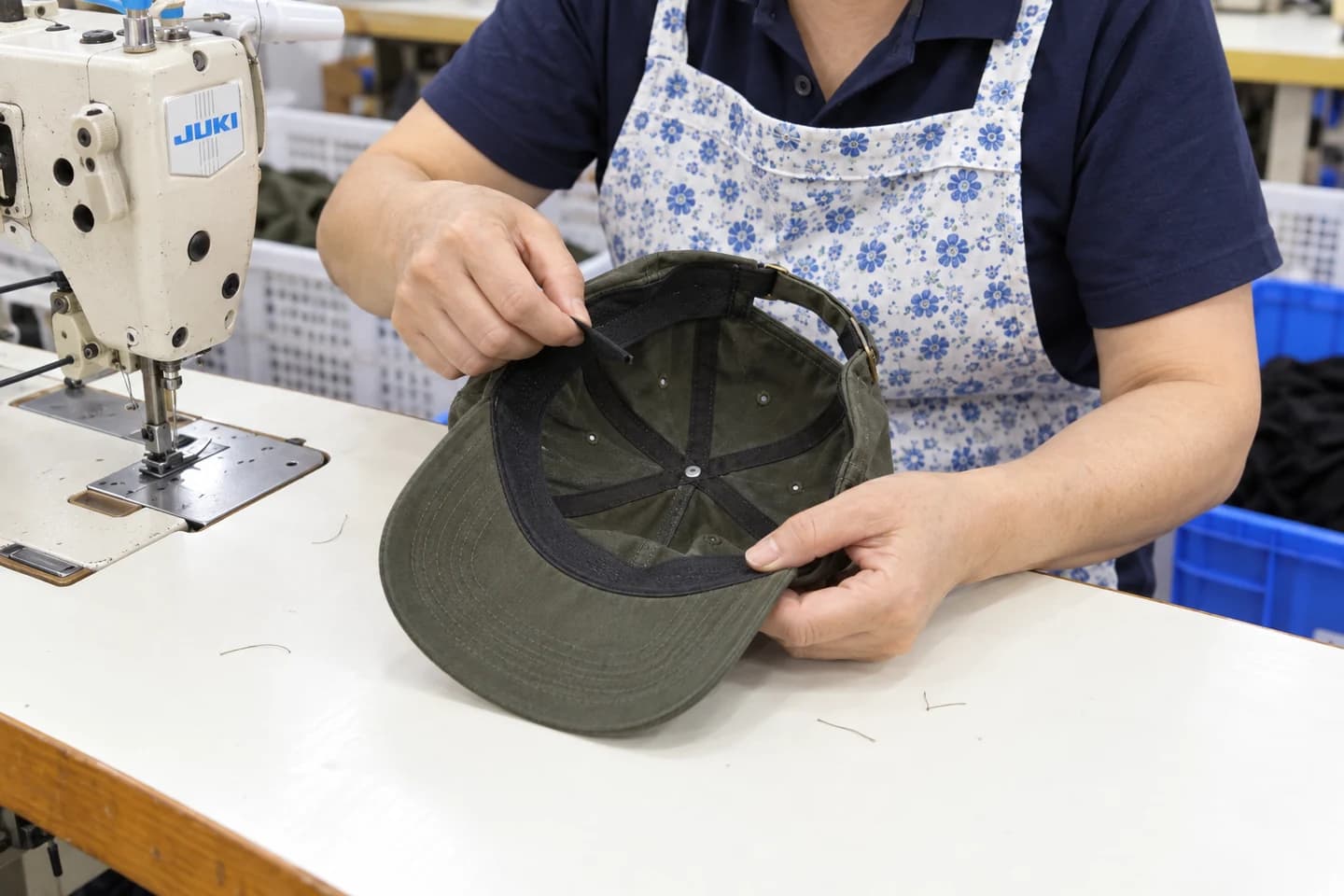
Checking a cap sweatband and internal seams
NAME THE VERSION

Style + colorway + sample version + artwork revision. Attach a marked photo to each requested change.

Read the approval guide ↗

0 / 5 review topics prepared

Bring my review topics into the inquiry ↓

These checks prepare a discussion. They do not approve a sample or authorize production.

05 / GO DEEPER INTO THE HAT

A guide for
your chosen shape.

Explore all 40 design-specific guides. Each focuses on the fabric, construction and sample questions for that particular direction.

BEFORE COMPARING CUSTOM HAT SUPPLIERS

Check what the quotation actually covers.

A lower unit price may describe a different hat or a different scope. Put the same specification in front of each supplier before comparing the figures.

Read the order as separate decisions

Keep style, fabric, decoration, labels, quantity and destination in the quotation request. Ask which items are included, which are separate charges and which remain provisional until the sample is reviewed.

The stated minimum is 300 pieces per style, per color. A total of 300 pieces does not automatically cover six 50-piece colorways. Build the quantity breakdown before requesting a comparison.

Read the full quote comparison guide ↗
Product scope
Does the price refer to the same crown structure, brim, fabric direction and closure? A similar front photograph is not a complete specification.
Branding & finishing
Are the same artwork size, decoration positions, inside labels and hangtags included? Ask about sample development and any setup items separately.
Timing & delivery
Does the date mean production completion, dispatch or arrival? Sampling is planned at 7–10 working days and bulk production at 30–45 working days; approval, revisions and transport need their own discussion.
Changes after sampling
Ask how a change in material, artwork or packing affects the quotation. Keep the revised specification and price together so the earlier figure is not mistaken for the final scope.
06 / BEFORE YOU SEND THE BRIEF

A few things
worth settling.

Still deciding? Bring the open questions to the inquiry below. A clear question is better than a guessed specification.

Can I combine different colors to reach 300 pieces?

The stated minimum is 300 pieces per style, per color. For example, 150 navy and 150 cream caps do not meet either colorway minimum. Tell us about the planned order if it differs, and discuss feasibility before assuming an exception.

Do I need a finished tech pack before contacting you?

No. For OEM, bring the specification you already have. For ODM, bring references and explain the decisions you need help developing. Include the hat family, intended use, quantities, destination and target timing in either case.

Does the production lead time include shipping?

No. Bulk production is a separate stage from sample review, revisions, packing and transport. Share your required arrival date and destination so the full sequence can be discussed.

Can a photo be used to approve the color or fit?

A photograph can document a question, but lighting, screens and the absence of a wearer limit what it shows. Agree the physical references and sample review method for your project; do not treat a screenshot as a complete specification.

What if I change the logo after reviewing the sample?

Identify the new artwork version, size and placement. Ask which parts need another sample or quotation review and how the change affects the schedule. Keep the revised instruction separate from the earlier version.

CUSTOM HAT SAMPLING

A clear cost for the next step.

Prototype hat samples cost US$50–200. The first modification is free. Prototype and modification sample charges are refundable with a bulk order of at least 100 pieces.

See all sample types & charges ↗
TAKE THE NEXT STEP OFFLINE

Two working documents.
One consistent brief.

Use these editable text templates to gather decisions with your team. Fill in what is known and mark open questions; do not guess a specification to complete a field.

YOUR COLLECTION / OUR NEXT CONVERSATION

Turn the notes into a brief.

Bring your planned order breakdown, schedule questions and chosen design. Leave any undecided details open for discussion.

Project brief
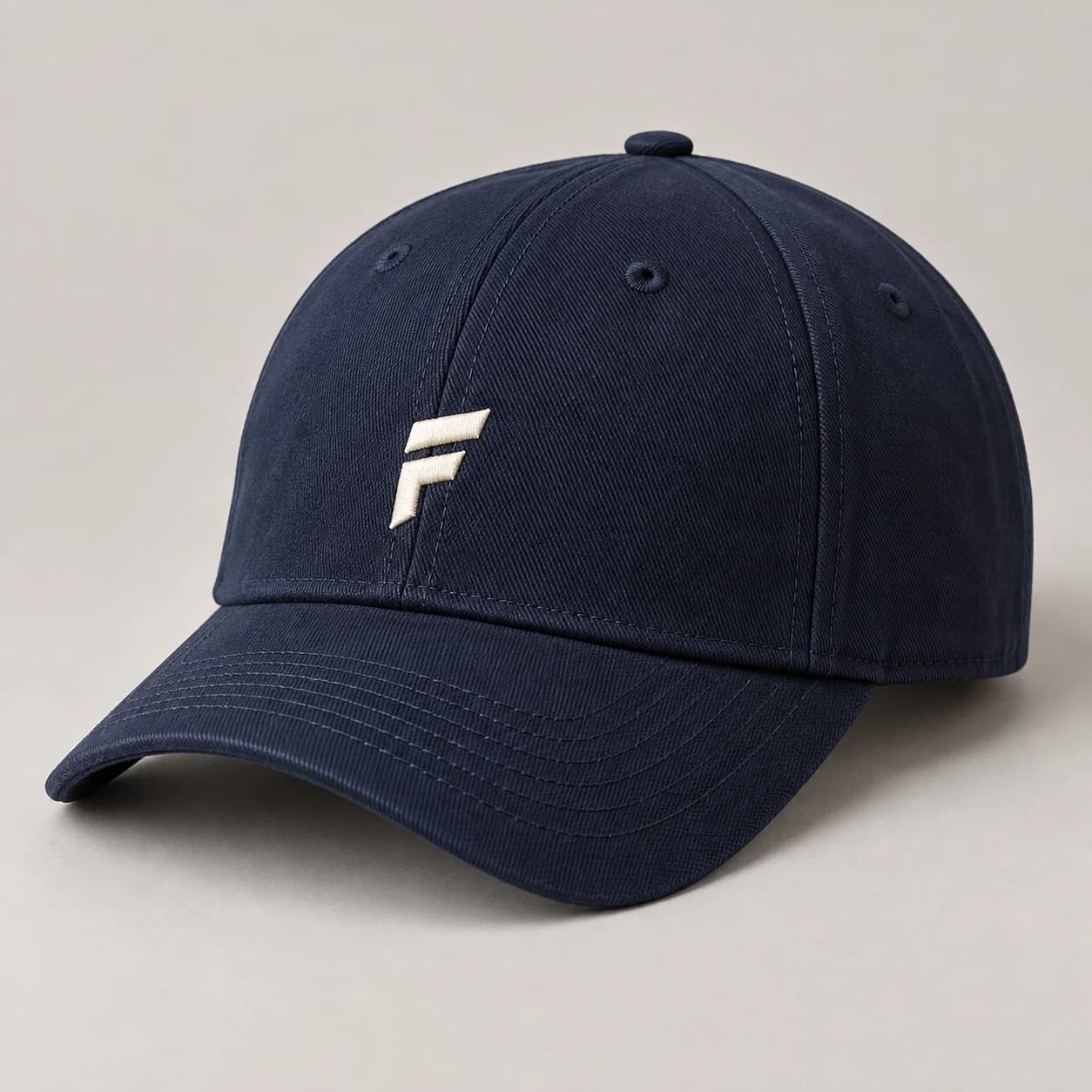
Unbranded navy cotton baseball capCobalt and ivory embroidery thread spools
FORMBRIMBaseballOEM / ODM

Bring your shape, artwork and quantities together.

YOUR NEXT CONVERSATION
  1. Style-and-color breakdown
  2. Questions from your guide
  3. Target date and destination
MOQ
300 pieces per style, per color
Sample
7–10 working days
Production
30–45 working days

Prefer a direct conversation?

WhatsApp +86 181 2050 6050 ↗[email protected]

Fields marked * are required. Other details can be decided together.

Include + and your country code, followed by your WhatsApp number.
Add project details (optional)Style, quantities, timing & links
MOQ: 300 pieces per style, per color. List different styles and color quantities in your project description.
Share an http(s) link to your artwork or tech pack and check that we can open it. This form accepts links, not file uploads.
Continue on WhatsApp

Your filled-in details will open in WhatsApp. Review them there before sending.