
Why review the paperwork now?
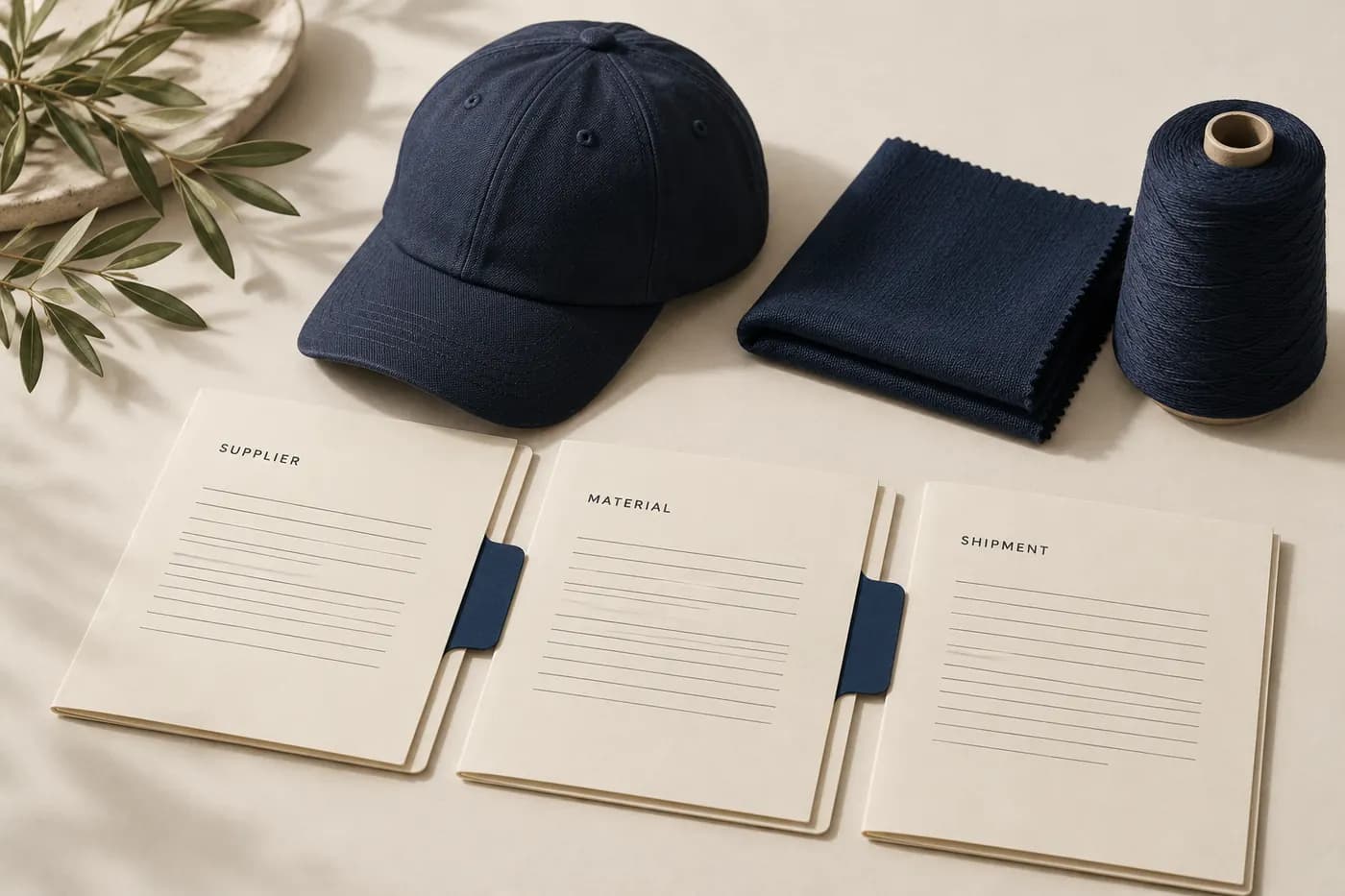
To assess GRS certification for a bulk hat order, match the specified material, the certified organizations and the shipment evidence before approving a claim. The Global Recycled Standard is administered by Textile Exchange. A supplier certificate, a recycled fabric description and an approved hat sample answer different questions. Keep them connected through identifiable material and order references.
As of 20 October 2026, there is a timely reason to revisit the document pack. Textile Exchange published new Materials Matter user manuals, including one for recycled materials, on 8 October 2026. Its transition information identifies 31 December 2026 as the standard’s effective date and 31 December 2027 as the mandatory date for Tier 4 organizations. These are not blanket expiry dates for every hat supplier’s GRS certificate.
The procurement implication is to ask which current rules apply to the proposed supply route and order timing. This article provides a buyer’s review workflow, not confirmation that a particular FORMBRIM product or supply route is certified. Material availability, certification scope and any supported claim must be confirmed for the actual project.
Name the component behind the request
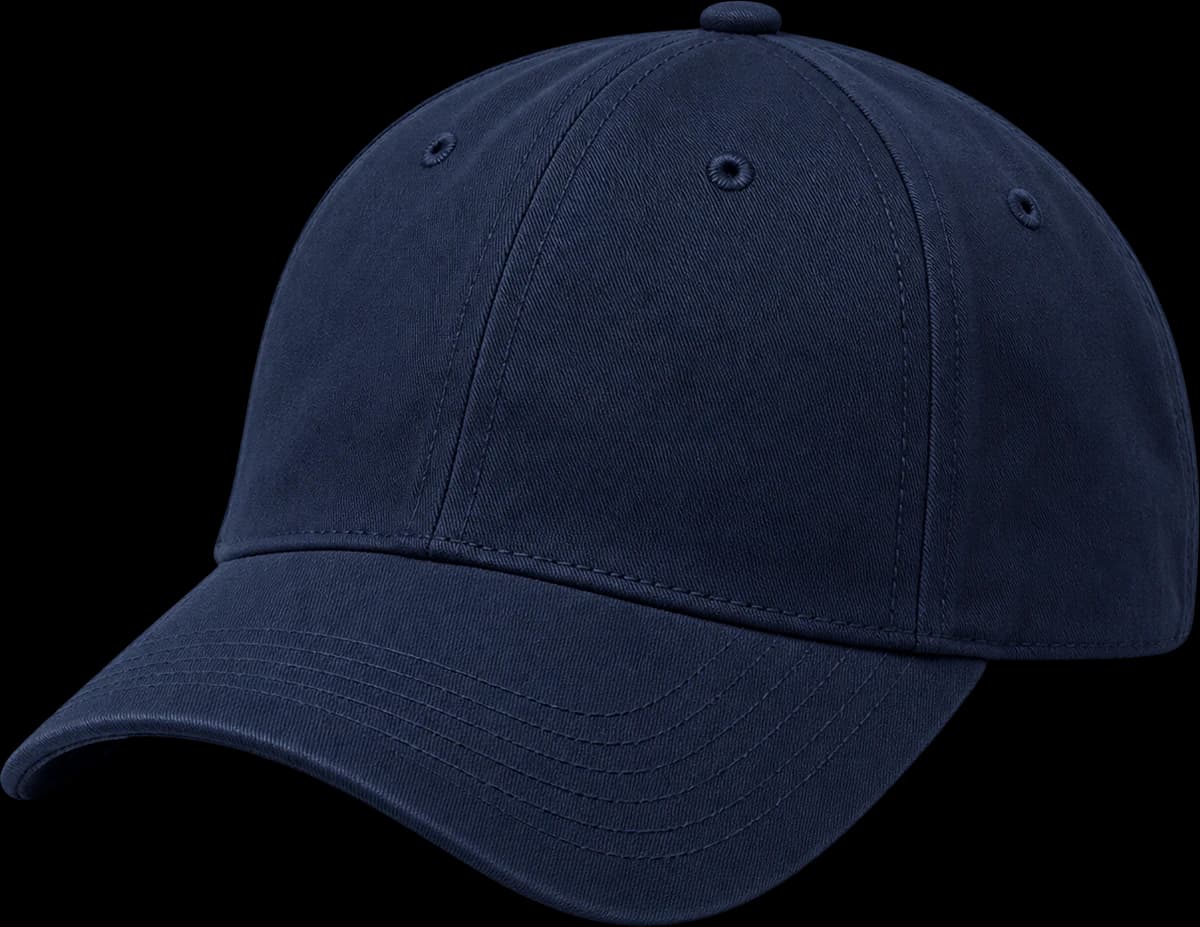
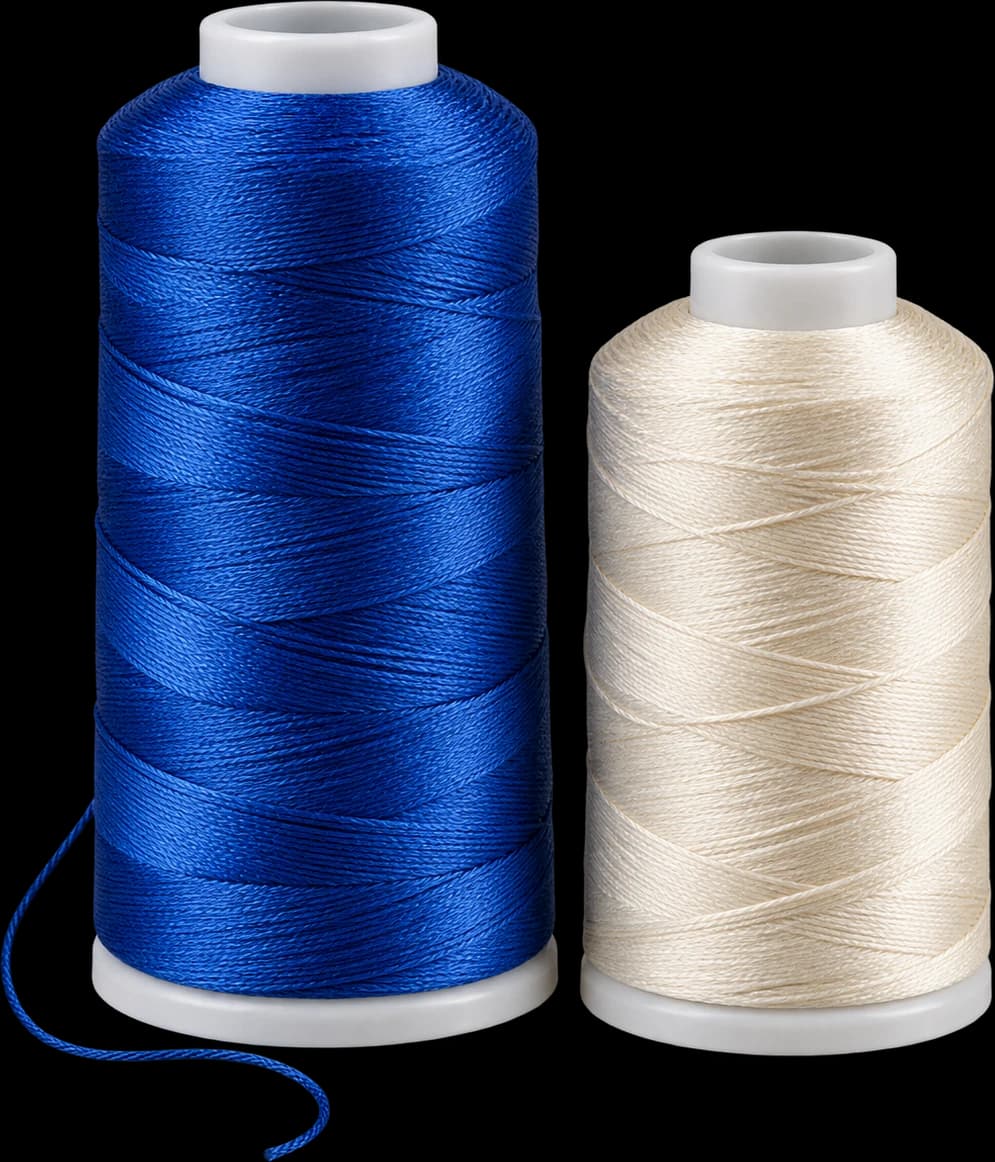
Start the specification with the material you want to source, its location in the hat and the claim you need to investigate. A mesh-back cap can combine a woven front, mesh, brim covering, sweatband, sewing thread, labels and a closure. A yarn statement for a beanie does not automatically describe its label or decoration. Avoid carrying one component’s description across the whole product.
Create a component record with a material reference, requested composition, colorway, supplier response and evidence status. Leave unknown composition or recycled content blank and assign someone to resolve it. A swatch photograph can identify the physical reference; it cannot establish a recycled percentage or certification status.
Distinguish a requirement from an available option. “Please assess recycled yarn with supporting documentation” invites a feasibility response. “Approved certified yarn” records a decision that should already have evidence behind it. Use the first wording while sourcing remains open, then update the record when the actual material and documents are agreed.

- Give each material a reference.
- Keep unconfirmed components pending.
- Separate requested evidence from received evidence.
Match the organizations to the work
Record the legal name of the quoting party, the proposed manufacturing party and the organization named on each certificate. Different names are a question to resolve, not an instruction to reject or accept the order automatically. Ask the supplier to explain who performs the relevant work and how the proposed route is covered.
Use Textile Exchange’s certified-company database to check the supplied identity and certificate information. The database uses scope-certificate data from active certification bodies. Retain the lookup date and result with the document supplied. If details are missing or inconsistent, ask the relevant certification body to clarify rather than treating a cropped certificate image as decisive.
Your review record should identify the certificate number, issuing body, validity dates, listed sites, processes and relevant product scope. Ask how each relates to your proposed cap or beanie. An upstream material document should not silently become evidence for every later production step. Keep the route unresolved until the appropriate parties can explain the coverage.
Separate scope evidence from shipment evidence
Textile Exchange explains that a scope certificate shows an organization’s capability to produce certified products; it does not by itself prove that the specific products purchased are certified. Transaction evidence connects the goods moving through the chain. Review the applicable transaction-certificate requirements with the supplier and certification body for the proposed order.
Make a document schedule before committing to printed claims or an arrival date. Identify what can be checked during supplier selection, what depends on the actual order or shipment, who is responsible for providing it and how discrepancies will be resolved. Do not mark a future shipment document as received because a supplier has promised to provide it.
Use separate statuses such as requested, received, checked and unresolved. A shared folder containing a certificate is not a completed review. Keep the document reference beside the relevant purchase order, material and shipment identifiers, and record who checked the connection. Do not rely on matching file names alone.
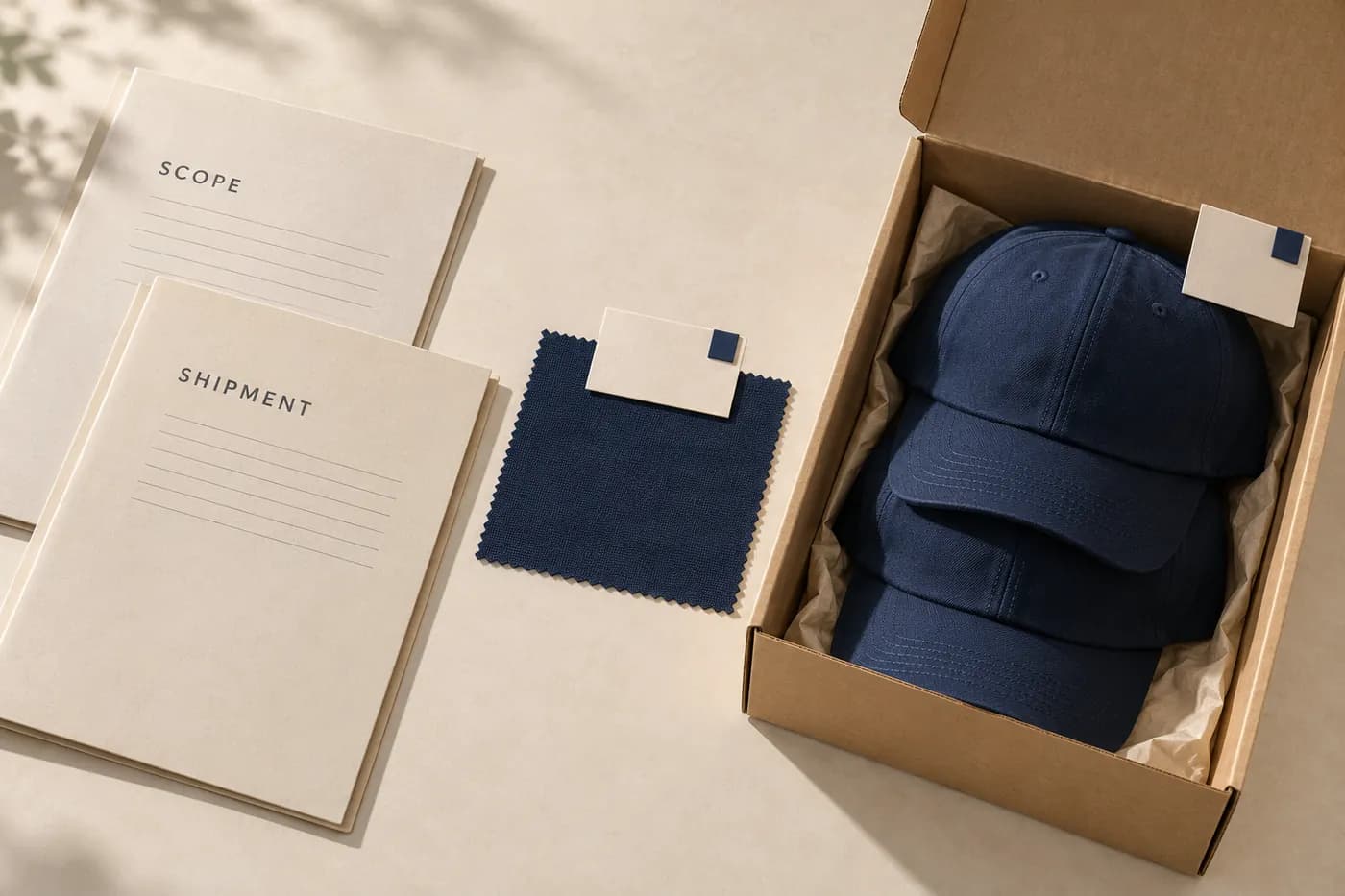
- Check organizational scope separately.
- Identify the order and shipment references.
- Record document status and the next responsible person.
Worked example: one cap, several evidence questions
Consider an illustrative order for 300 navy mesh-back caps. The buyer requests a recycled front fabric and a small woven patch, while mesh composition and the rest of the trim remain open. This is a planning example, not a specification or certification claim for a FORMBRIM product.
The material record should identify the front-fabric requirement and leave the other components unresolved. A quotation saying only “recycled cap” cannot show which parts the price covers. Ask for the exact fabric reference, the proposed supporting evidence and a clear description of the remaining components before comparing it with another quotation.
Next, separate three approvals. The design team reviews the cap’s shape and decoration. Procurement checks the material reference, commercial scope and proposed supply route. The person responsible for claims reviews the evidence and intended wording. If the front fabric changes after sampling, reopen the affected material and evidence approvals even when the new sample looks similar.
- Identify the component to which each material statement applies.
- Keep unconfirmed components and documents visibly pending.
- Record the approved sample and specification revision.
- Recheck affected evidence after a material or supplier substitution.
Keep artwork approval separate from claim approval
Prepare the exact wording and placement of any proposed material or certification claim before finalizing a hangtag, label or product description. Ask the responsible parties which current requirements apply to that wording, the specific product and any proposed standard mark. A material description and permission to use a certification logo are separate approvals.
Do not approve a claim simply because the supplier’s website displays a logo, or because a competitor uses similar wording. Keep the supporting evidence and claim review beside the final artwork revision. If approval is incomplete, leave the claim out of the production artwork until the issue is resolved.
This also keeps a late document question from becoming a printing problem. Set an internal decision date for claim-bearing labels and packaging, and identify a version without the unresolved claim if your team wants to consider one. That alternative still needs normal artwork and product approval; it does not establish that an unsupported material statement is acceptable elsewhere.
Send a brief that makes open decisions visible
Send the hat construction, component requirements, quantity by finished colorway, artwork, destination and required arrival date. Attach a short evidence checklist that names the documents or questions your buying team needs resolved. Explain whether a particular certification requirement is mandatory for the project or a material option you want assessed.
FORMBRIM’s bulk MOQ is 300 pieces per style, per color. The published references are 7–10 working days for sampling and 30–45 working days for bulk production; evidence review, buyer approval and delivery need their own planning. These timings do not confirm a certified material route or a document turnaround.
Before releasing the order, reconcile the quotation, material record, approved sample and outstanding evidence. Assign an owner and next action to each unresolved item. The useful outcome is a purchase decision with a traceable basis, including an explicit decision to pause when a mandatory requirement cannot yet be supported.