
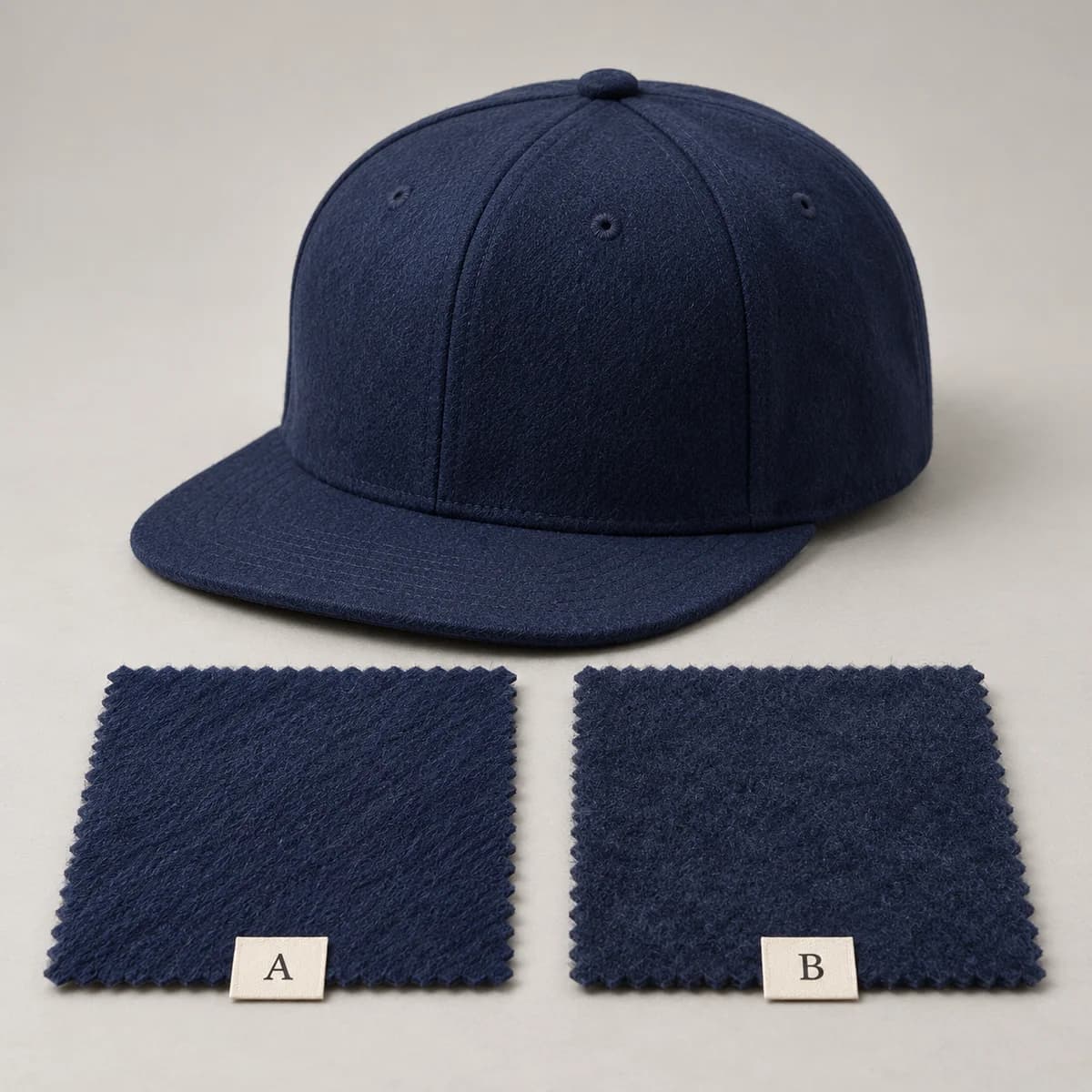
Begin with two finishes for the same cap
A fabric pilling test can help resolve a material choice that a fresh swatch cannot: which proposed brushed surface should move forward for a bulk hat sample? Start with the appearance the buyer wants to retain, then request comparable evidence about how each submission changes. A softer first touch or an “anti-pilling” label does not settle that choice.
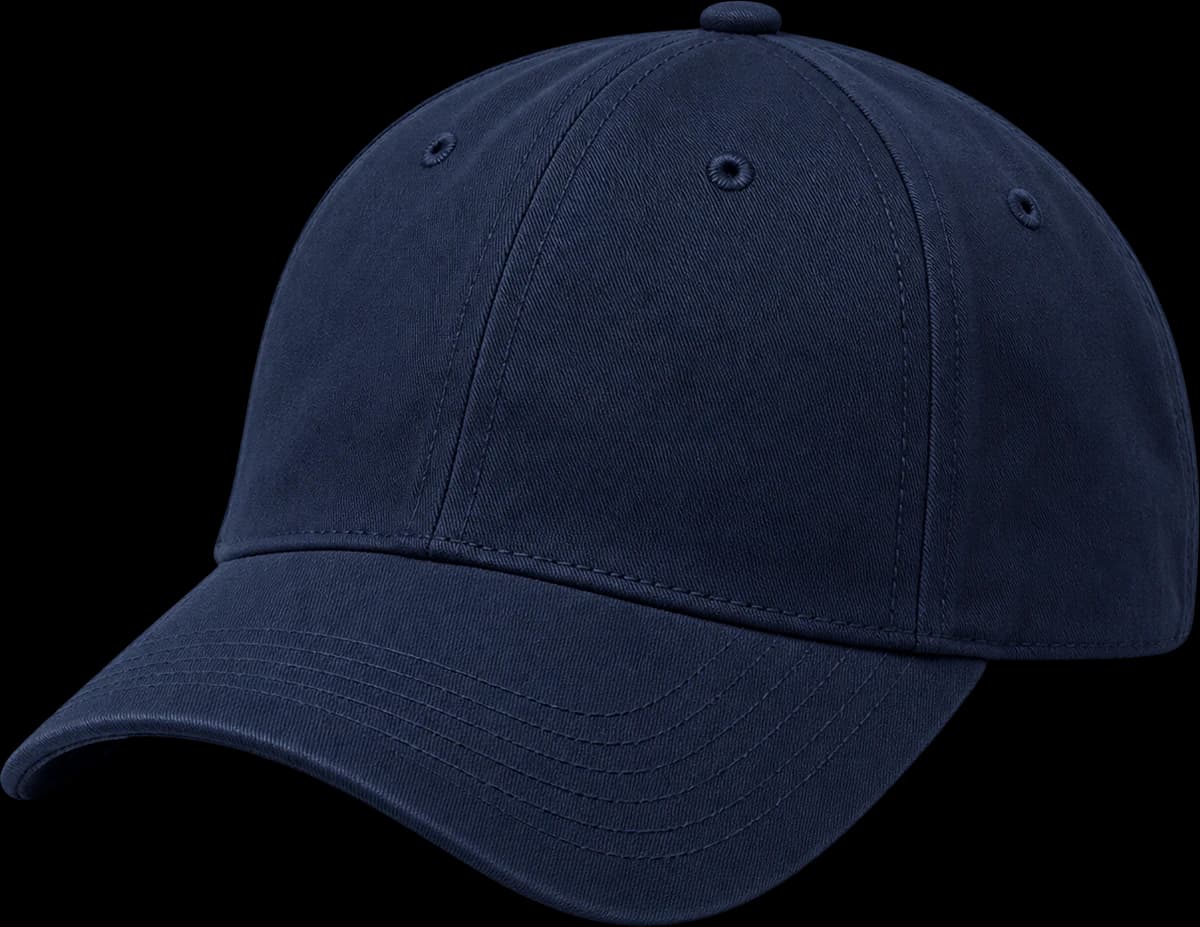
Consider a hypothetical navy wool-touch snapback with a compact crown, flat visor and small front mark. Submission A has the compact, shorter nap currently preferred by the design team. Submission B offers a fuller brushed surface. The illustrations show development alternatives and types of surface change, not a measured A/B comparison or results from a FORMBRIM order. Neither has earned approval simply by looking smoother.
Identify the base cloth and finish for each submission. If both use the same base material, record that shared reference and the finishing difference. If the fibre mix, yarn or construction also changes, record a material-and-finish comparison; the buyer cannot attribute the outcome to brushing alone. The existing wool-touch buying guide covers composition, initial appearance and logo selection. This article addresses the later choice informed by surface-change evidence.
Separate the intended nap from a changed surface
Keep an unexposed reference of A and B beside the assessed specimens. The desired nap is the starting appearance, rather than a defect to remove. A raised surface must be compared with its own starting state before the buyer describes it as newly fuzzy, locally matted or covered with pills. Use consistent lighting, scale and viewing direction for the comparison.
RISE describes pills as entangled fibres or fibre ends that remain attached to the cloth. Its textile service distinguishes pilling from surface fuzzing. For the buyer, the important observation is whether the surface has developed discrete attached clusters, a more diffuse raised halo, or a different appearance from the accepted reference. Loose lint resting on the cloth and a loose embroidery thread need their own notes.
Record matting separately where the raised surface looks locally packed and has lost the agreed texture. Ask the testing specialist to classify uncertain changes rather than calling every hairy area pilling. The explanatory image compares surface features; it supplies neither an official grade nor an observed result for A or B.
On the proposed cap, mark where appearance matters: the broad front crown, the cloth immediately beside the small mark and the visible panel joins. Those locations tell the team what to inspect on the sewn development sample. They do not turn a local cap photograph into a standardized fabric assessment.
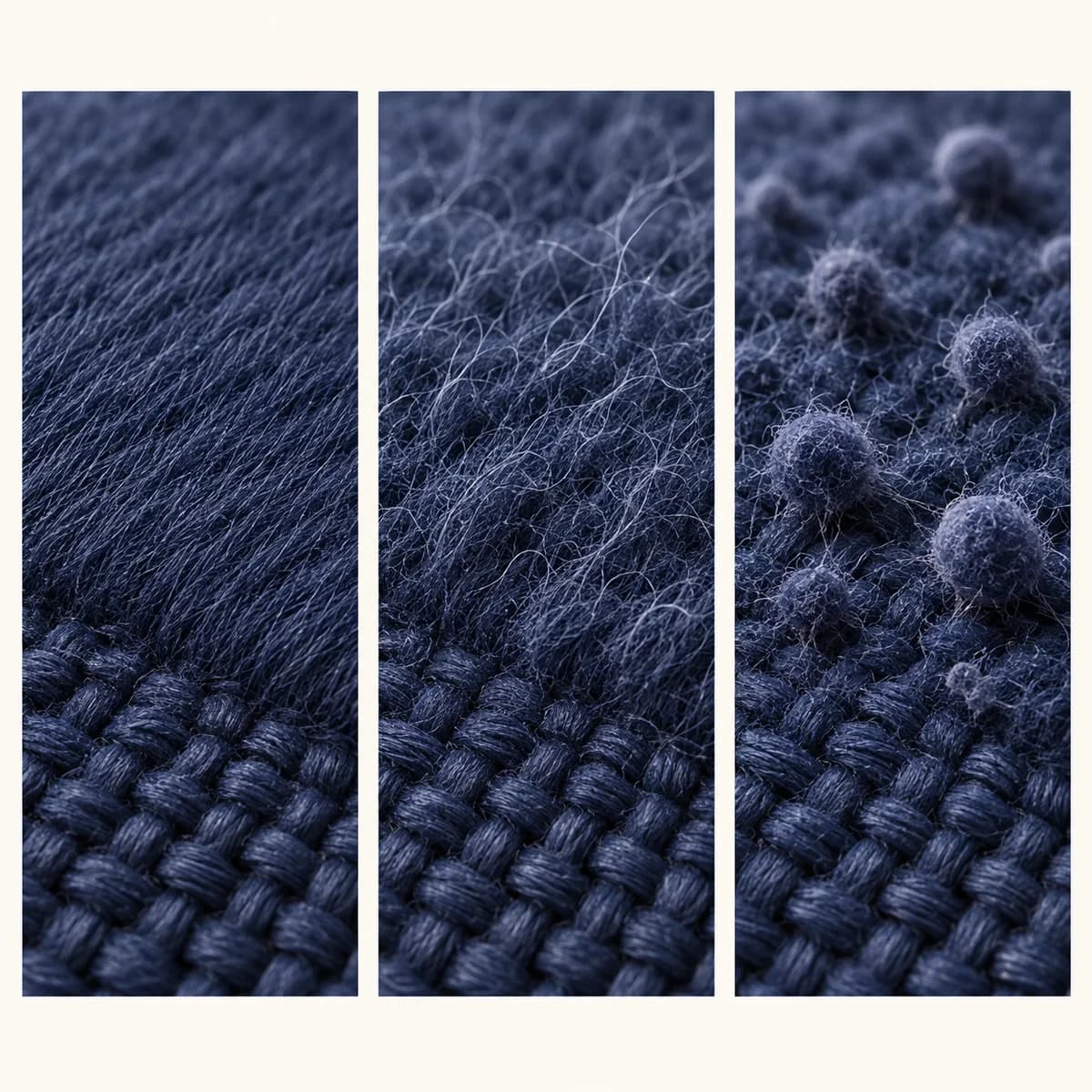
- Keep the intended nap as the starting reference.
- Distinguish diffuse fuzz from attached fibre clusters.
- Compare each assessed surface with its own original.
Agree a comparable fabric pilling test request
ISO 12945-2 describes a modified Martindale method for evaluating fabric pilling, fuzzing and matting. ASTM D4970/D4970M addresses pilling and related surface changes and notes the influence of finishing and the limits of predicting actual wear. These public summaries help frame the question; the testing provider must select the suitable route and work to its complete applicable procedure.
Send the specialist both identified submissions and explain the desired brushed appearance. Agree the preparation, material state, exposure and assessment basis before comparing results. Ask whether the proposed route can usefully distinguish these finishes and how the initial raised surface will be considered. Keep any agreed treatment before assessment explicit; an untreated A and differently prepared B are not a controlled finish comparison.
Set the project’s acceptance requirement with the responsible technical parties before the results arrive. Ask for each kind of surface change to remain visible in the explanation. A single supplier adjective such as “good” cannot show whether a finish retained the target texture or merely developed fewer visible clusters. If two reports use different conditions, leave the ranking pending and request a comparable assessment.
Use the comparison to retain, revise or leave pending
Bring the A and B evidence back to the same cap proposal. Compare each assessed specimen with its own unexposed reference, then compare the documented changes against the agreed requirement. A finish that loses the surface the designer wanted may need revision even if its fresh appearance was attractive. Do not select A automatically because its starting surface was more compact.
The following finish-choice record uses conditional decisions, not measured outcomes. It gives the buyer a clear next instruction without pretending that the illustrated cloth has been tested. Keep the actual report and retained specimens with the completed record.
- Retain A: if comparable evidence meets the agreed surface requirement and A still represents the desired brushed direction, retain its identified cloth and finish for the next sewn sample.
- Revise A: if the evidence identifies an unacceptable change, name that observation and ask for a revised finishing proposal. Preserve the original A reference and assess the revision before treating it as equivalent.
- Consider B: if B meets the agreed requirement, confirm separately that its fuller brushed starting appearance is acceptable for the cap. A technically acceptable alternative still needs a design decision.
- Leave pending: if preparation, exposure or material identity differs, request the missing comparable evidence. Do not use an unmatched rating to declare a winner.
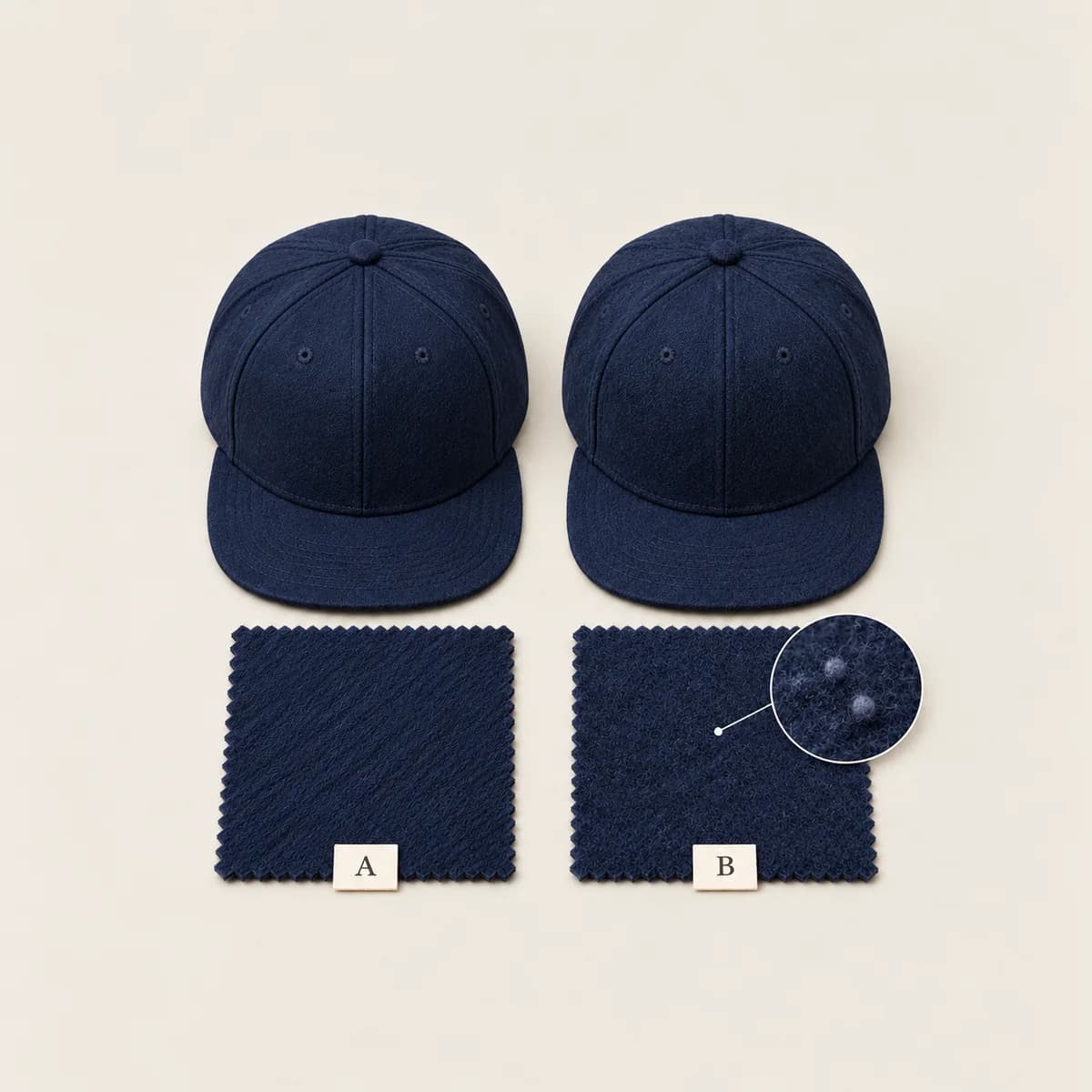
- Keep the same cap geometry and target appearance.
- Use comparable evidence before ranking finishes.
- Name the next action for each material submission.
Review the selected finish on the sewn snapback
A cloth-specimen result answers a material question under stated conditions. Review a sewn development sample to answer the assembly question: does the selected finish produce the intended crown appearance with the proposed decoration and joins? Keep these approvals connected but separate. A flat specimen does not establish that the complete hat passed the same method.
Inspect the front mark at the agreed artwork size. Note whether surface fibres obscure its edge or whether the surrounding cloth looks different from the retained reference. Distinguish loose decoration thread from cloth-surface change before requesting a fabric revision. Check panel joins and the crown-to-visor area for the intended appearance without inferring a laboratory result from those photographs.
If the cloth or finishing proposal changes after this review, identify the new submission and ask which evidence and sewn-sample checks must reopen. Colour transfer belongs in a separate colorfastness discussion; dimensional change belongs in the shrinkage review. Passing one property cannot silently close the others.
Send a finish-choice brief with the bulk inquiry
Send the cap reference, desired starting surface, identified A/B submissions and the current evidence status together. State which finish is retained, which revision is requested and who can close the remaining decision. Mark any untested alternative as proposed. A clear pending action is more useful than a general instruction to supply a fabric that never pills.
FORMBRIM develops OEM/ODM headwear with a published minimum of 300 pieces per style, per color. Use the inquiry to discuss the material and sample scope for that order. The minimum does not establish a laboratory service, a universal passing grade or a service-life promise; those questions need their own agreed requirements.
- One cap proposal and one retained target-surface reference.
- Separate A/B cloth, finishing and unexposed-specimen identities.
- Comparable assessment conditions and the actual surface observations.
- A retain, revise or pending instruction with a named next action.
- A separate sewn-cap appearance and decoration decision.