
Baseball caps
Crown, curve & everyday identity
Find yours. Eight hat families to develop through fabric, fit and the details that make it unmistakably your brand.
01 / Baseball caps ↗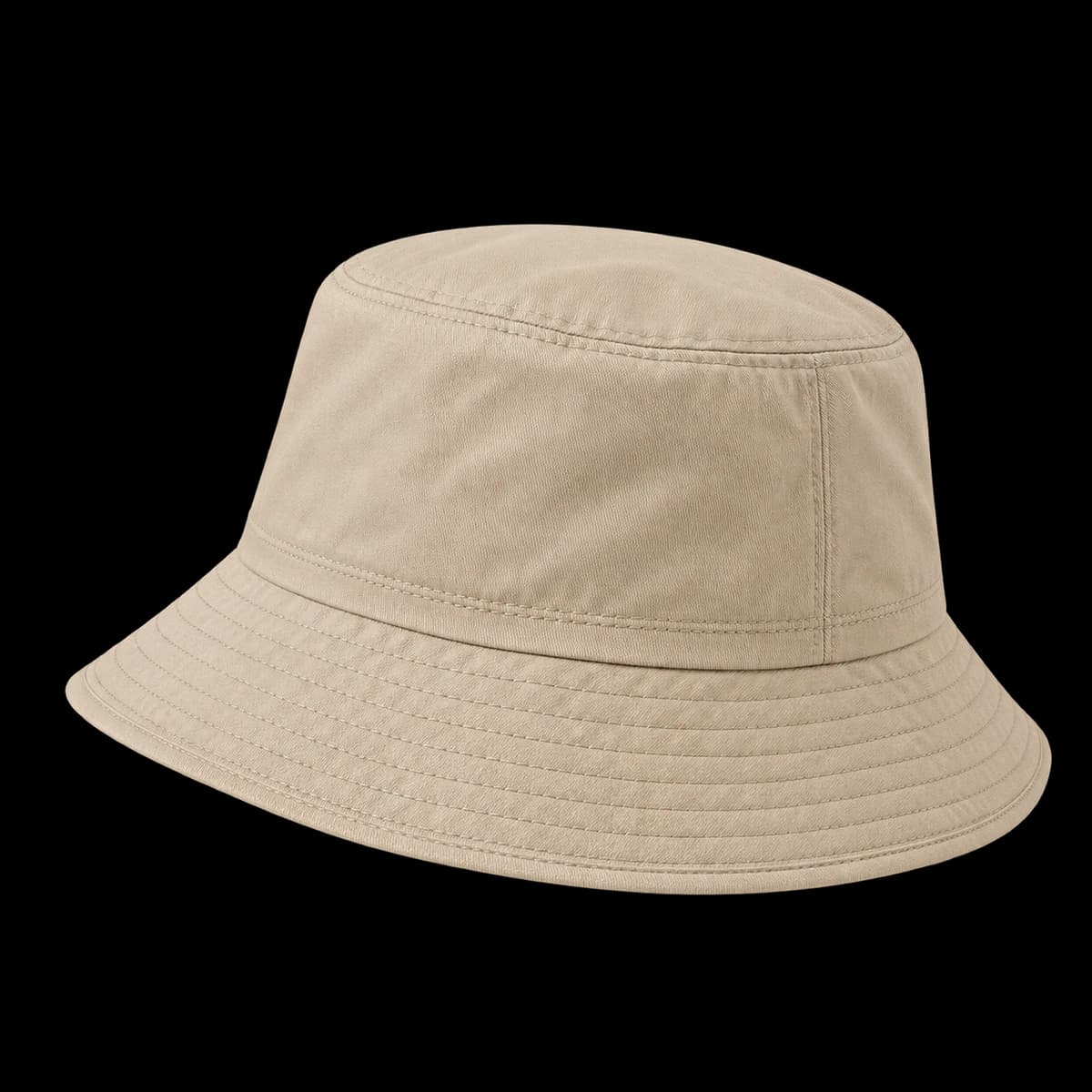 03 / Bucket hats ↗
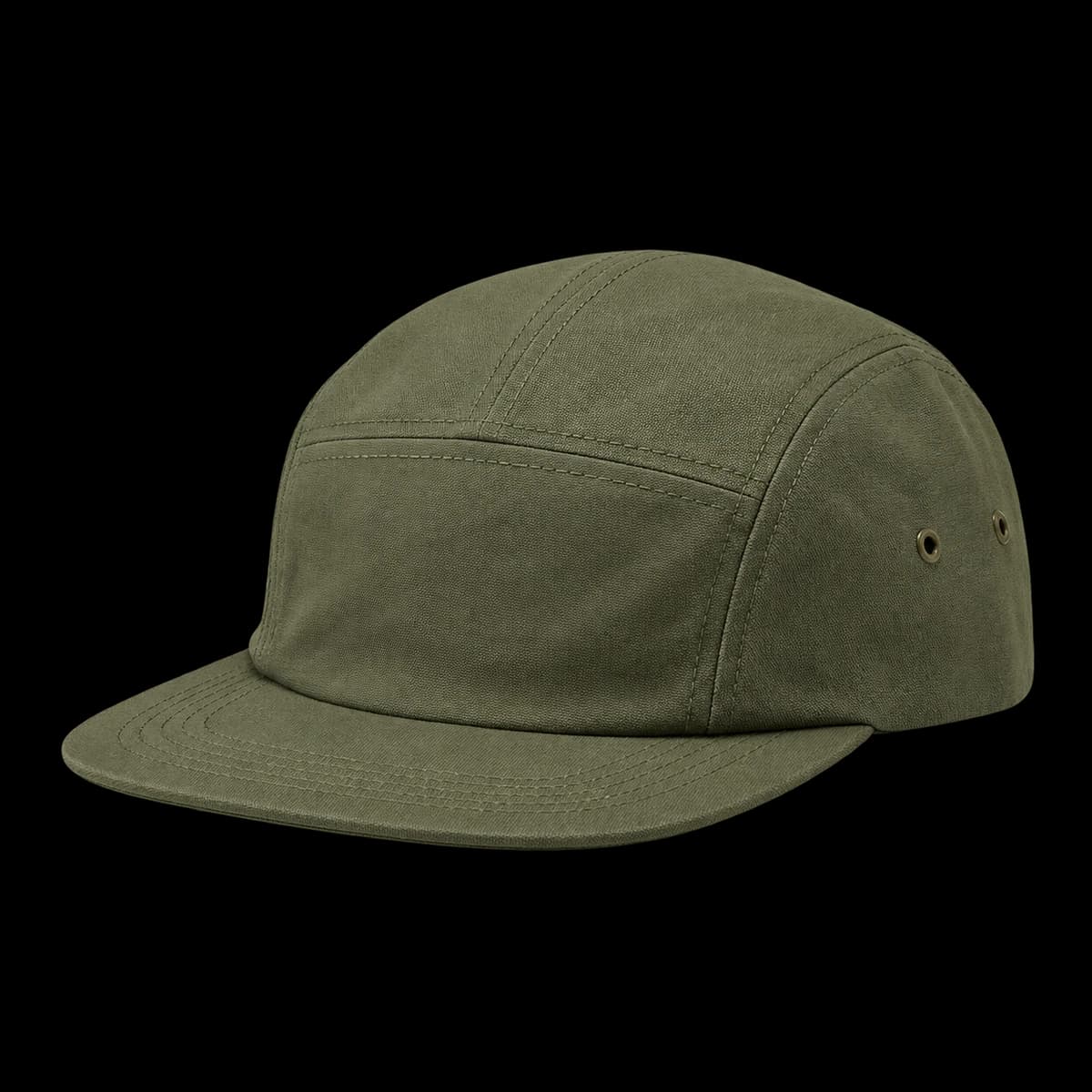 04 / 5-panel caps ↗
Open a family to explore its construction, or preview the four designs here. Each is a starting point for sampling, not a stocked product.
Crown, curve & everyday identity
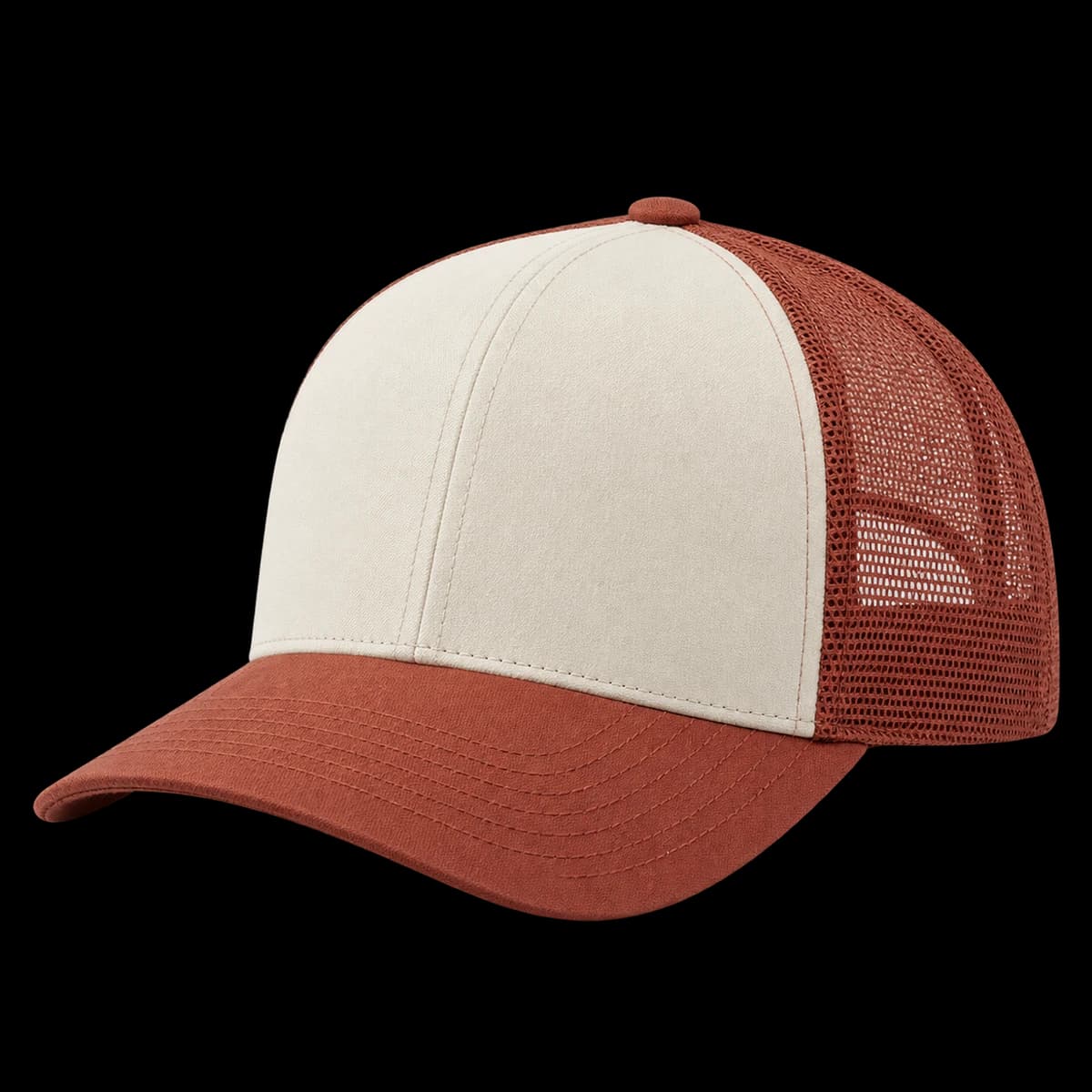
Solid front. Open mesh. Your balance.
An all-around brim with character
Panel proportions & a clear front
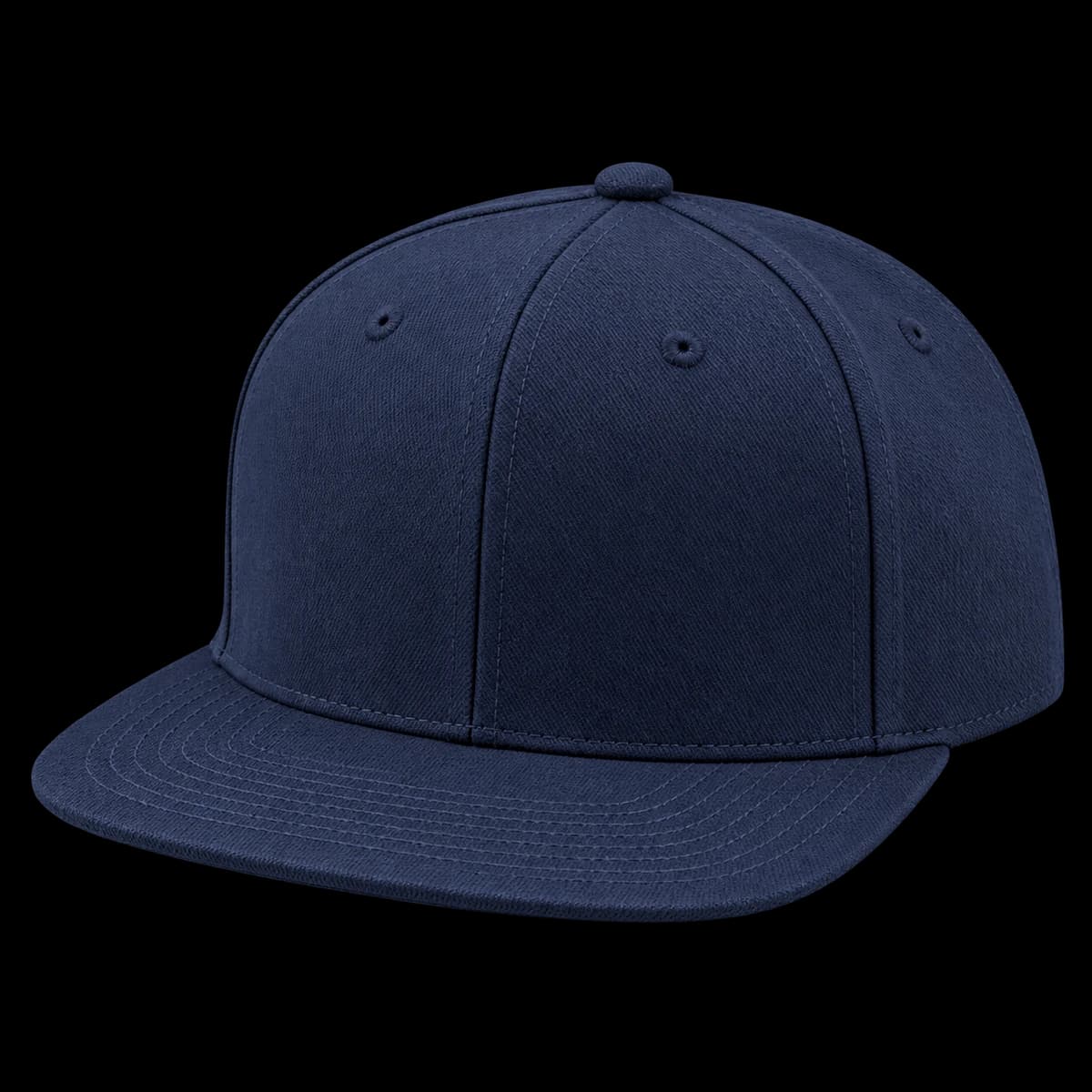
Defined front & flat-brim attitude
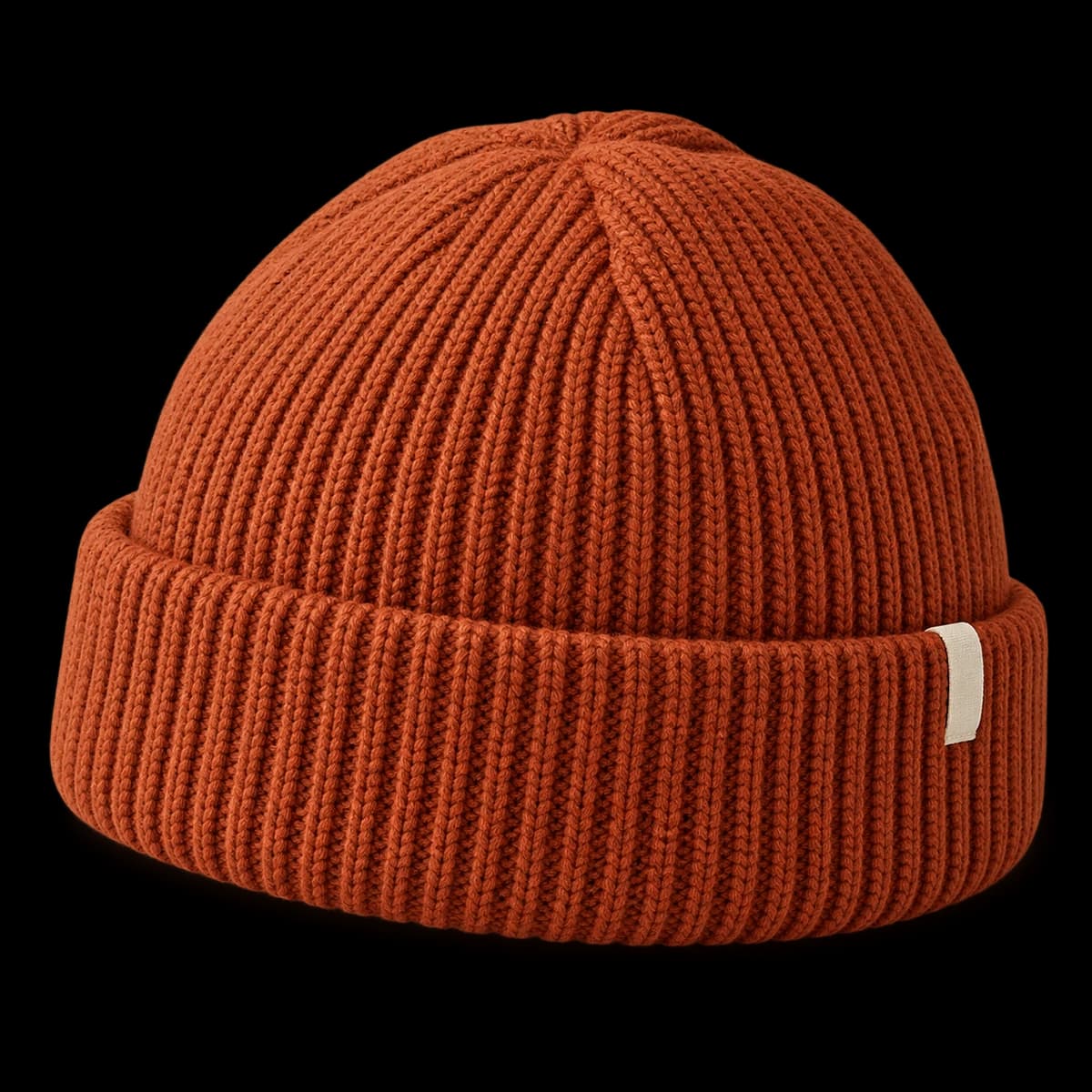
Knit texture, cuff & crown length
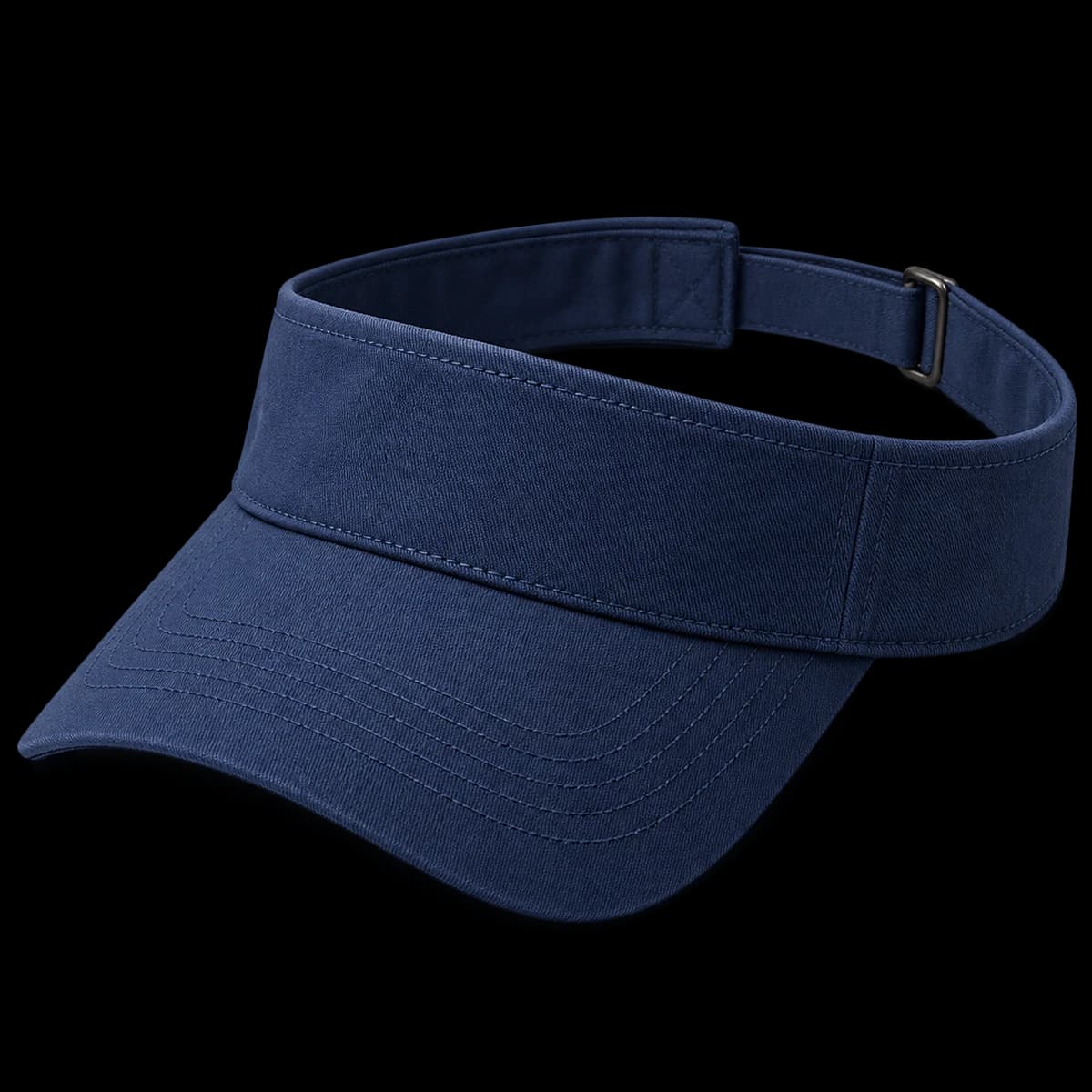
Open crown. Considered coverage.
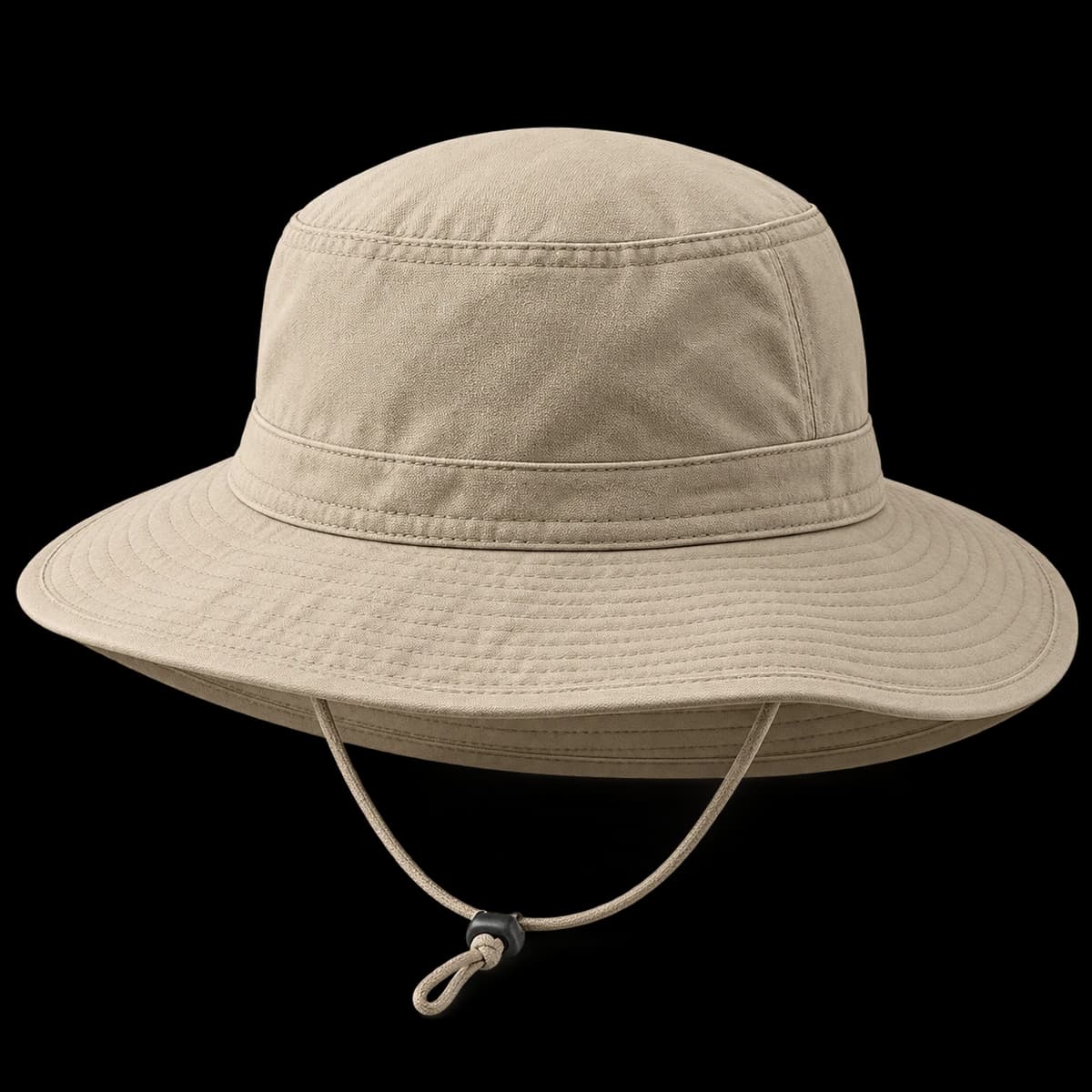
Brim, ventilation & outdoor details
Use these starting questions to narrow a custom headwear collection. Material, fit and branding still need to be resolved for each design.
Build a recognizable fit across the range. Baseball caps and snapbacks offer different crown and brim directions; the closure alone does not define the silhouette. Compare front height, profile and the space available for artwork.
Specify label placement and the inside finish alongside the visible branding. For several colorways, identify which components remain common and which change.
Explore the construction ↗For custom promotional hats, consider the wearer and the artwork together. A mesh trucker, a soft cotton cap and a visor have different coverage and decoration areas. Choose for the intended use rather than for the logo alone.
Show the logo at its finished size. Small lettering and detailed marks may need simplification; review the proposed treatment on a physical sample.
Explore the construction ↗Compare brim coverage, ventilation and adjustment for outdoor hats, or cuff depth and knit construction for beanies. A photograph cannot establish stretch, comfort or a performance rating.
If your brief requires a tested claim, state the requirement and ask what verification is available. Do not infer sun protection or water resistance from appearance.
Explore the construction ↗Choose the designs you want to develop together. Give each style a role in the collection, then count its finished colorways separately. A shared logo does not combine different styles into one minimum order.
These choices belong in one specification. Start with the product silhouette, then describe the components that should carry your brand identity.
This illustrative project shows how to describe a decision. It is not a completed customer order or a promise that every design uses the same process.
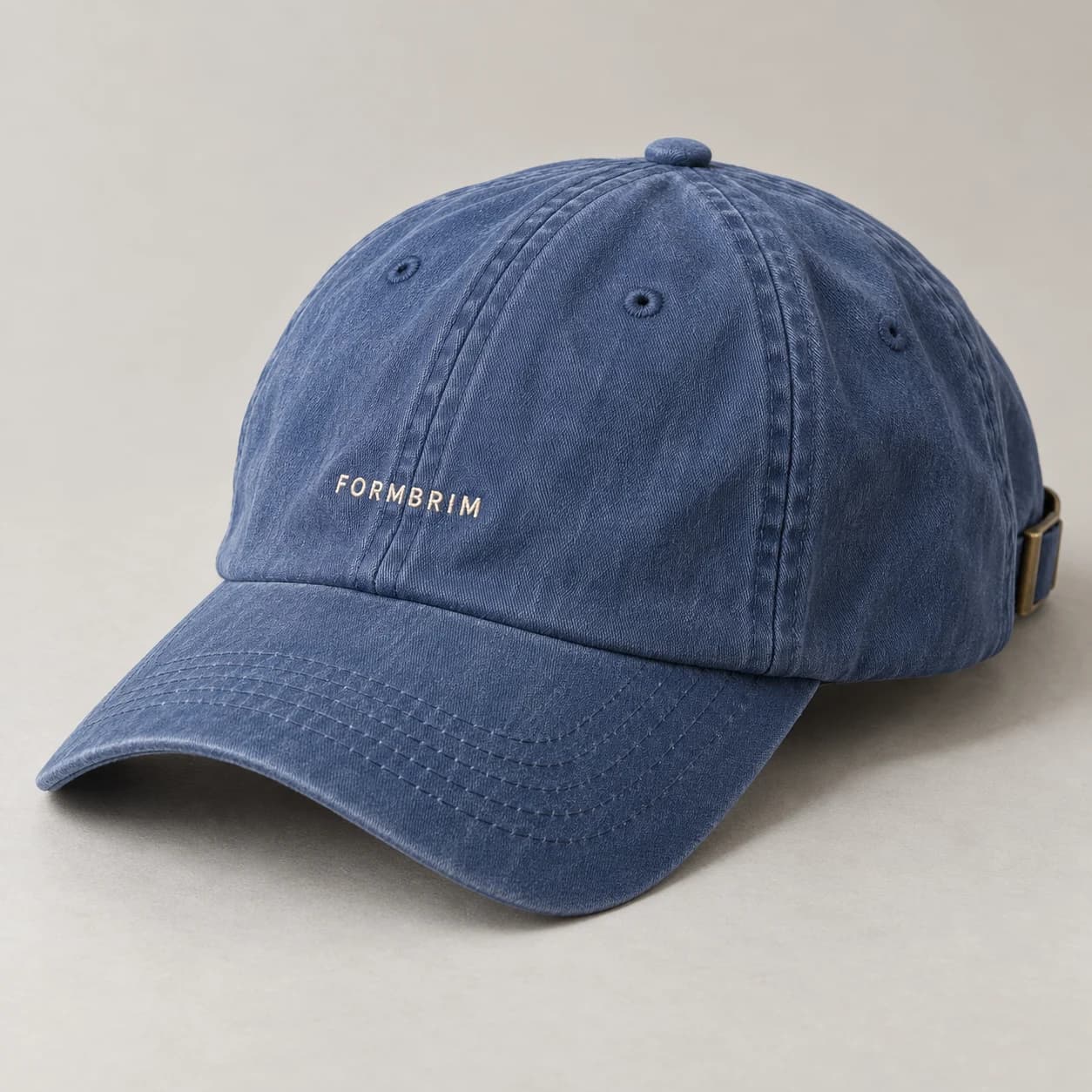
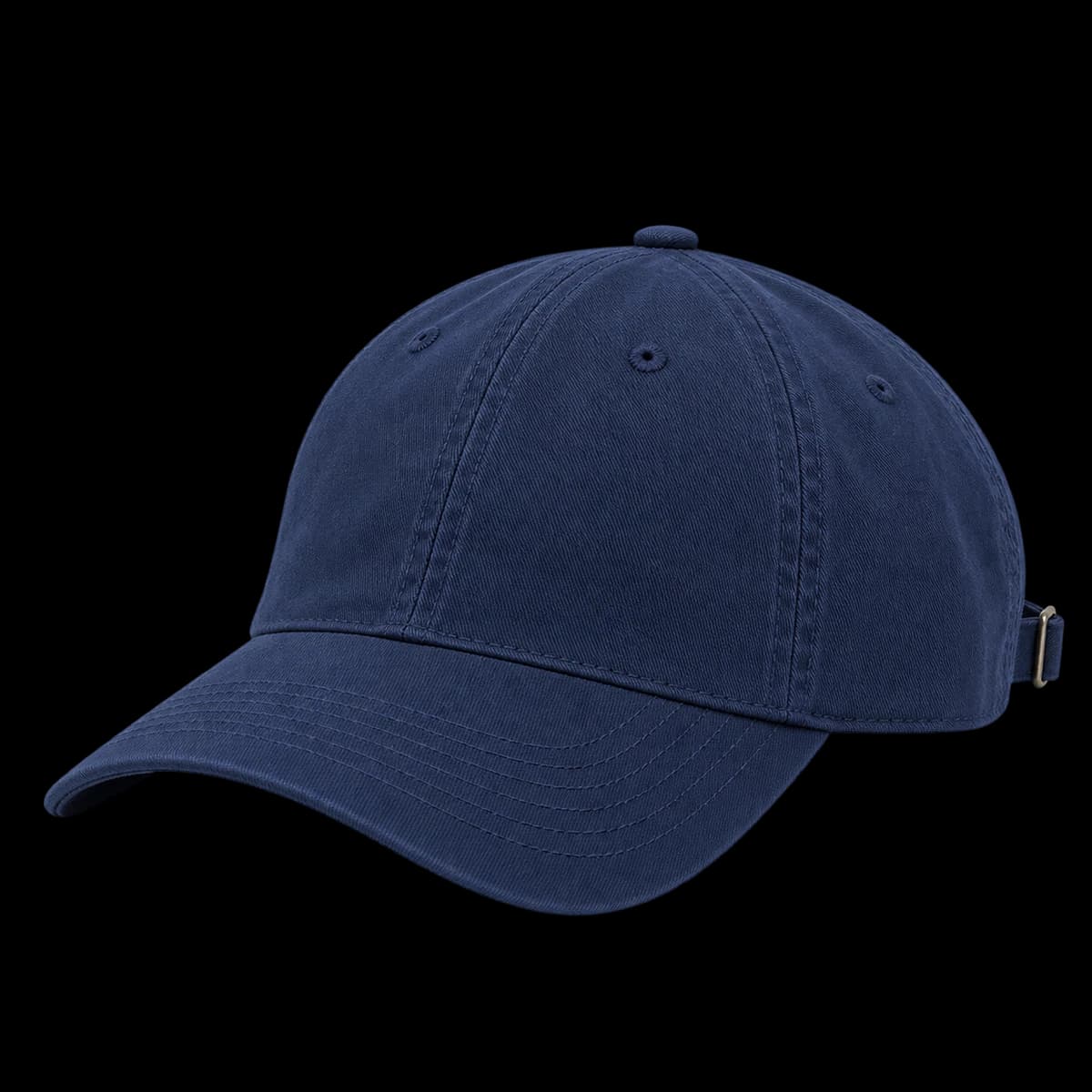
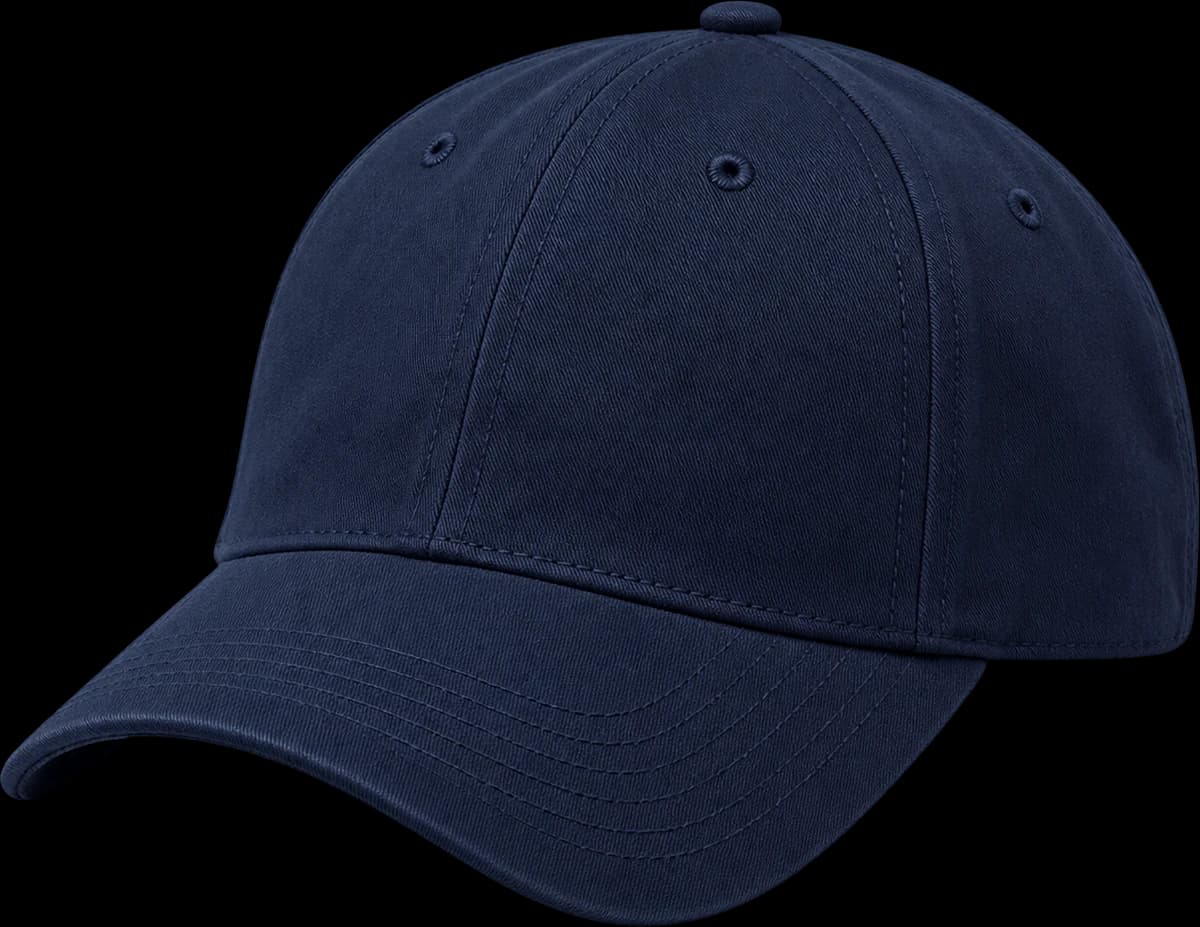
A clothing brand wants a relaxed navy cap with a small cream wordmark. “Like this photo” leaves the crown depth, wash, rear closure and logo size open. The brief separates those details: a worn side view for fit, a physical fabric reference for finish, original artwork at its intended size, and a rear view showing the strap.
The logo mockup looks clear, but the small lettering still needs review on the actual fabric. Check it at finished size and inspect the surrounding crown for distortion. If the lettering is difficult to read, discuss a larger mark or simplified artwork; if the surface puckers, review the execution rather than approving the digital layout alone.
“Keep the approved cap shape, fabric and closure. Use artwork revision B at the marked width and position. Review the lettering on the next sample.” Attach the marked photograph and identify the current sample. This gives the next review a specific comparison instead of restarting every decision.
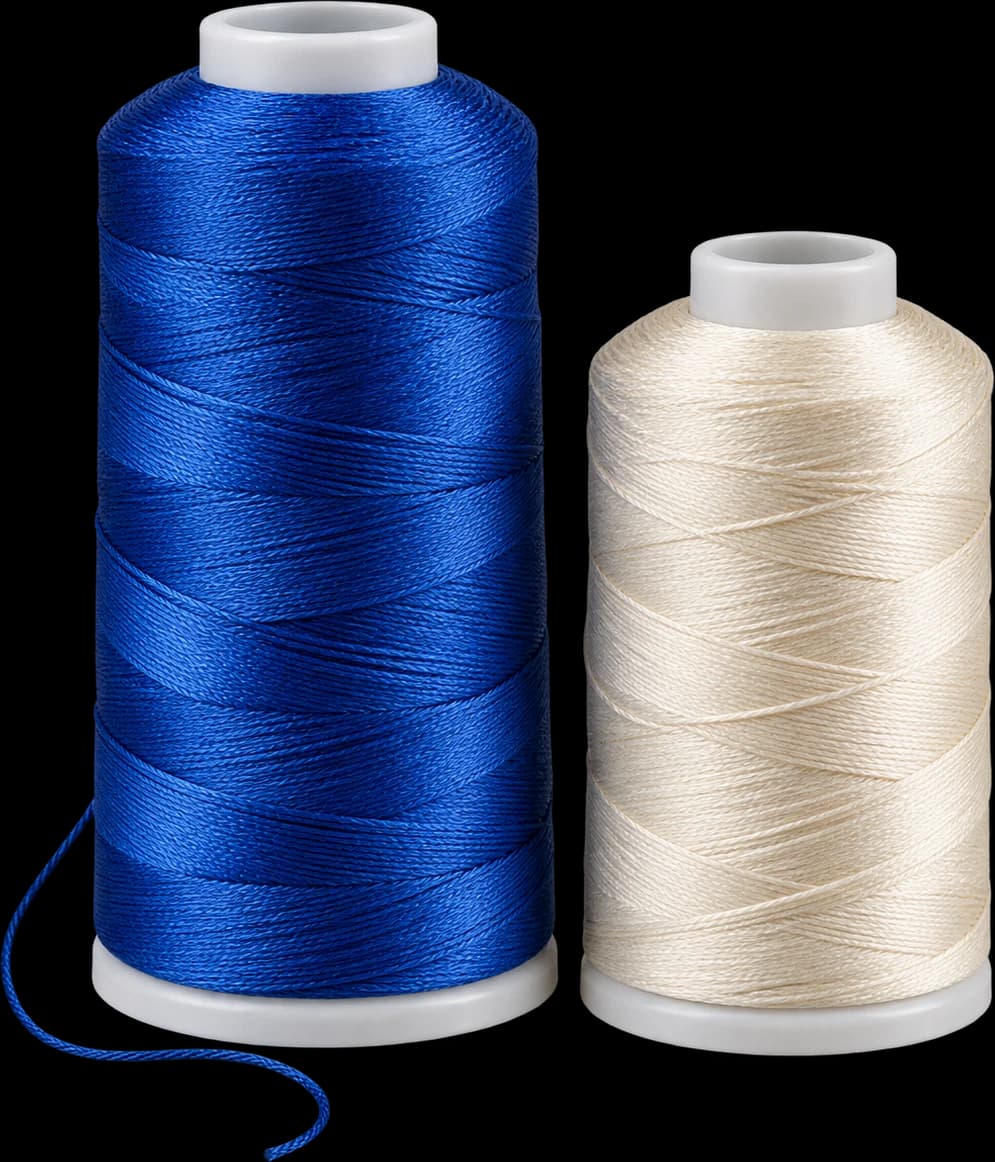
Once the sample is approved, attach its identifier to the final specification. List each finished colorway and its quantity, then confirm inside labels, hangtags and packing. A second colorway needs its own component references; approving the navy sample does not automatically approve a different thread-and-fabric combination.
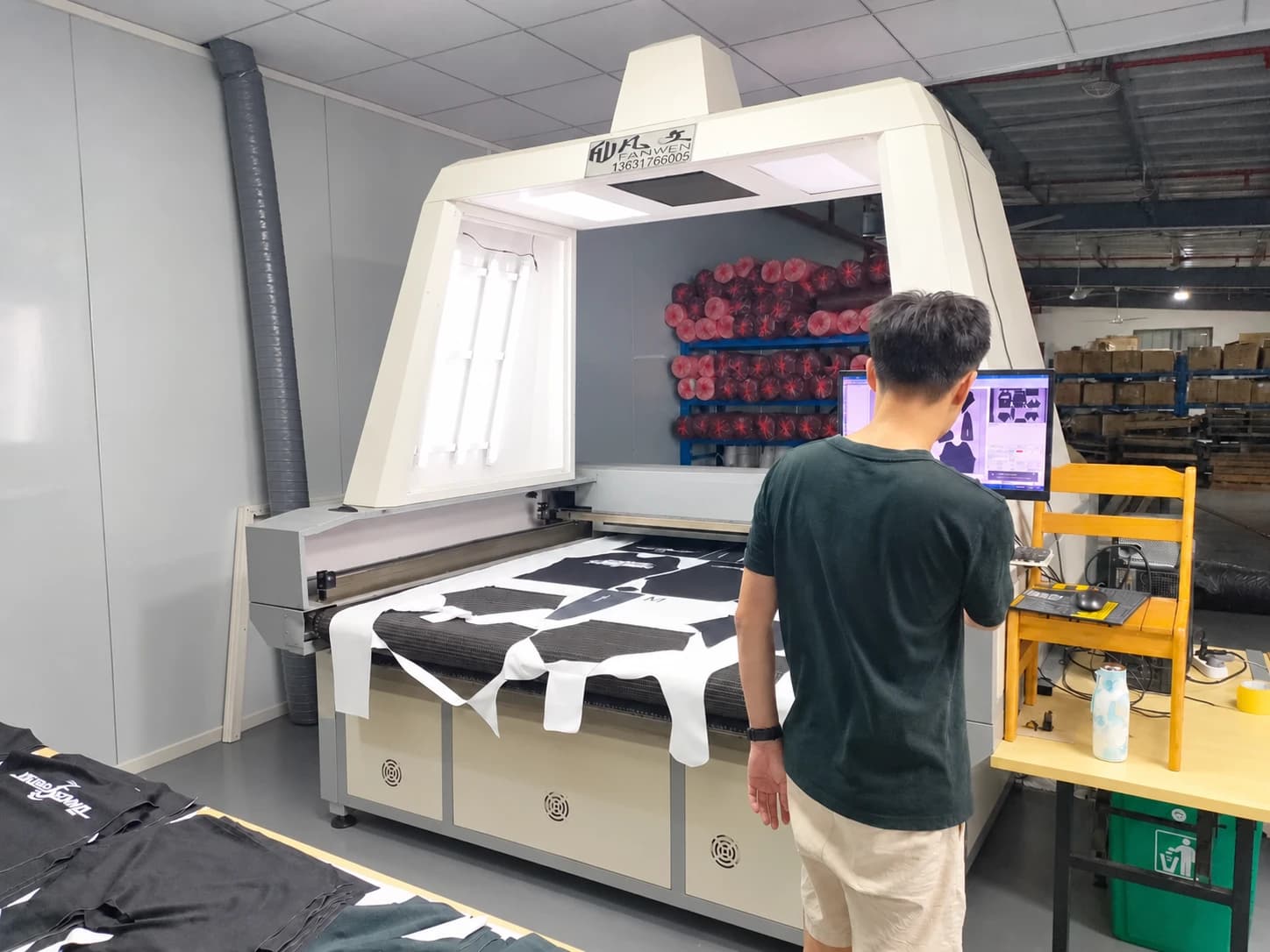
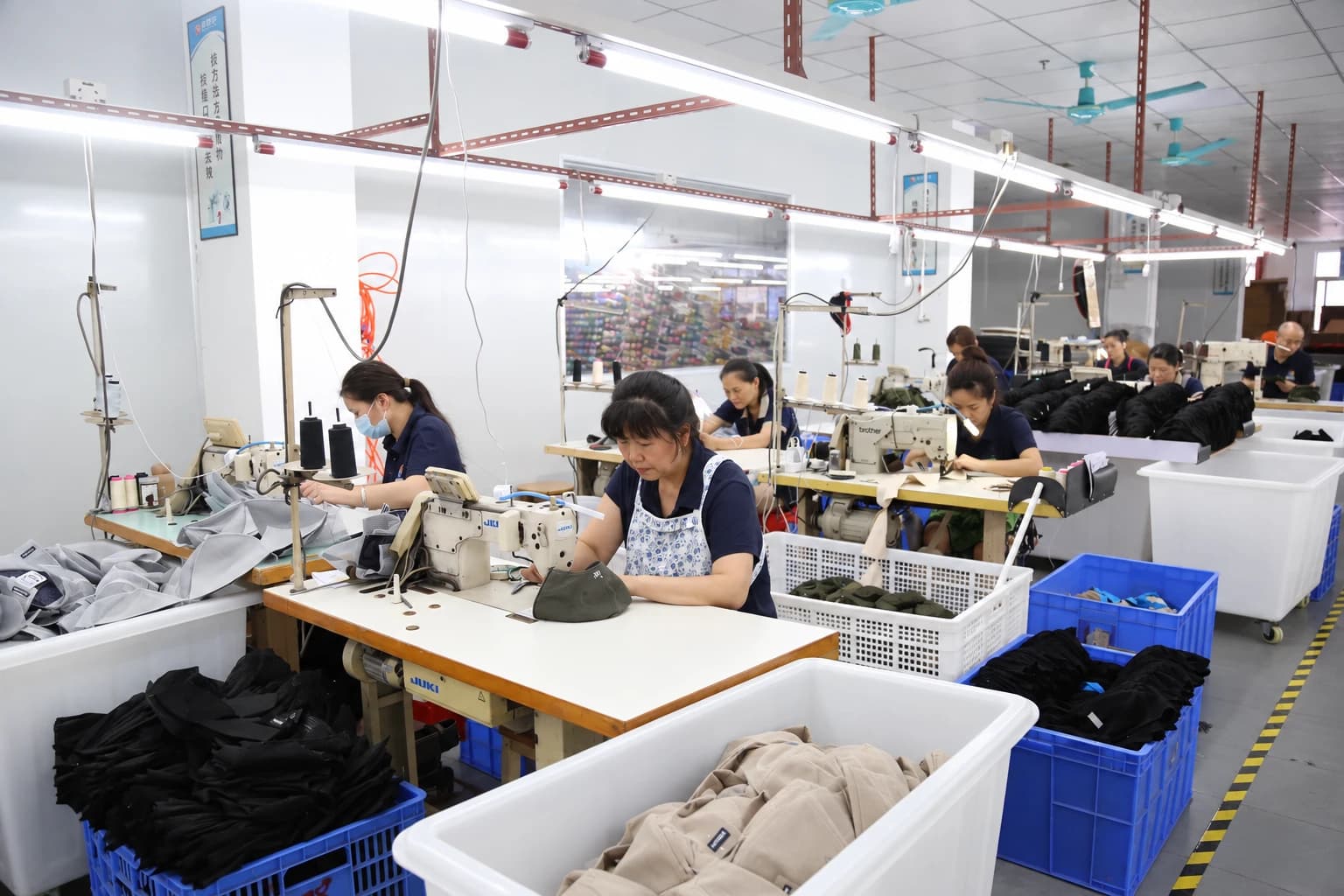
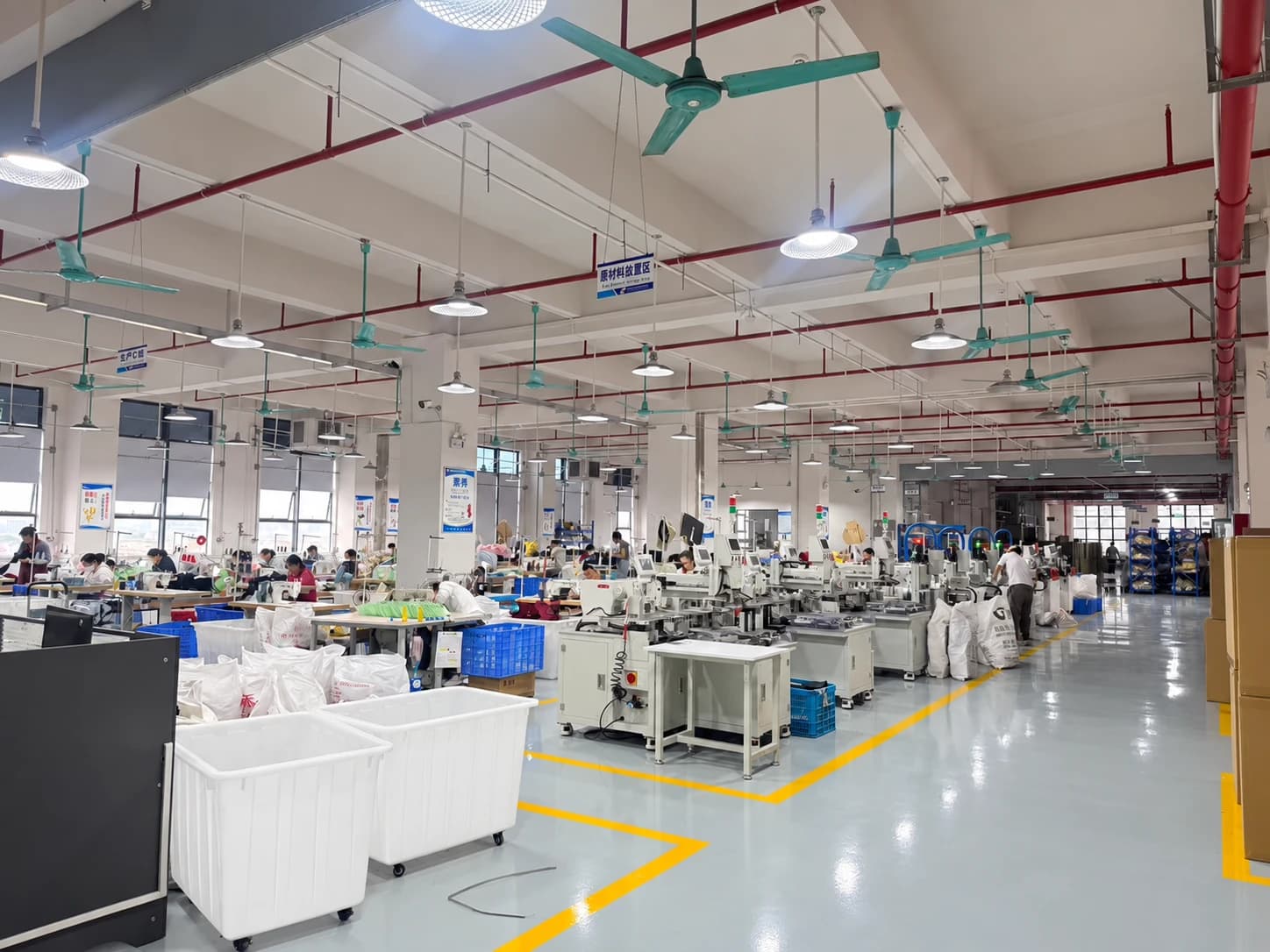
FORMBRIM is based in Hangzhou, Zhejiang, China. Our factory supports OEM and ODM headwear development, with cutting, sewing, embroidery and printing capabilities. Align the complete order with the approved sample before bulk production.
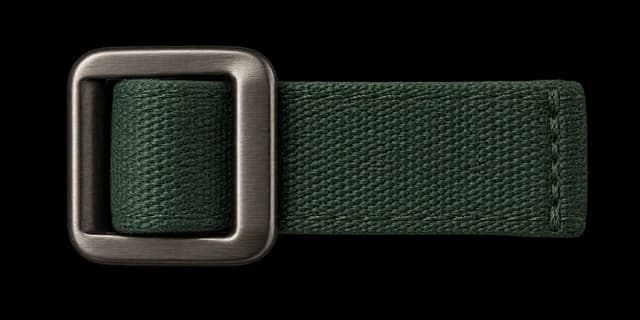
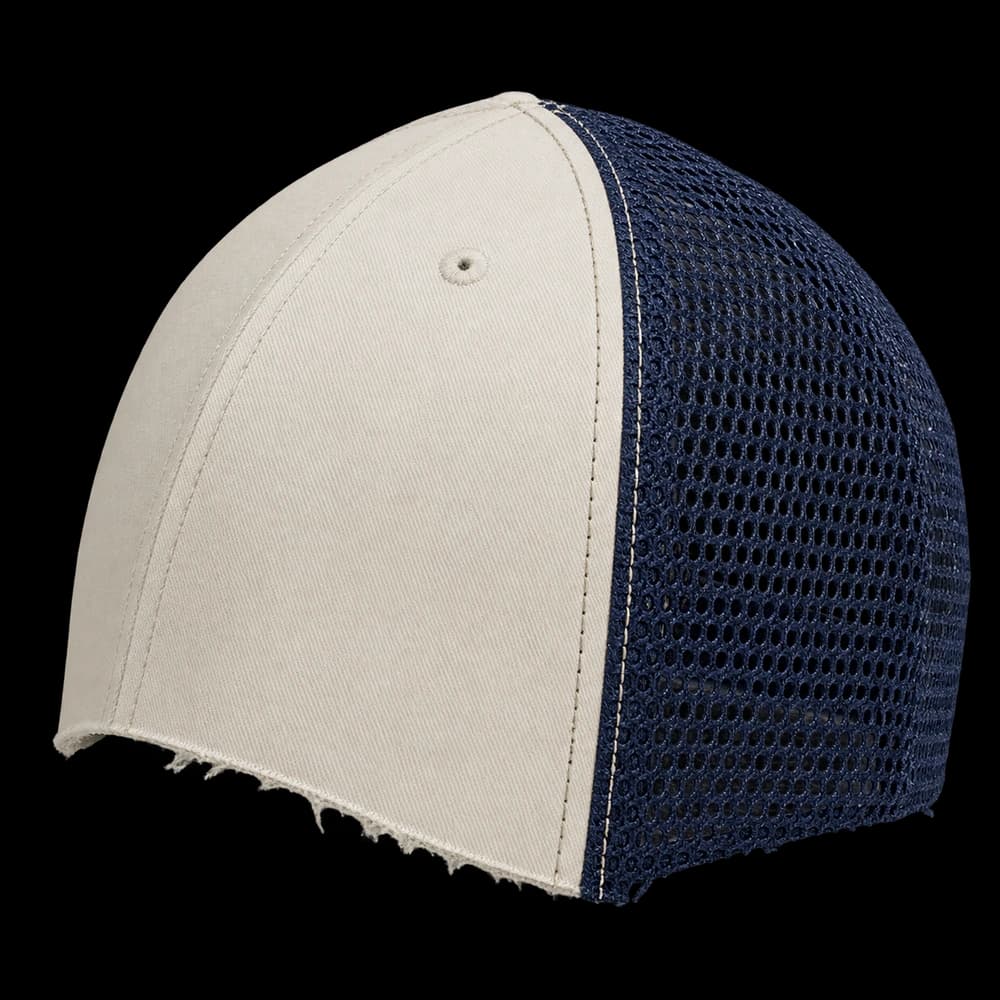 Panel & seam reference
Connect the reference silhouette with material direction, panel relationships and component colors. Discuss which details are carried forward and which need development.
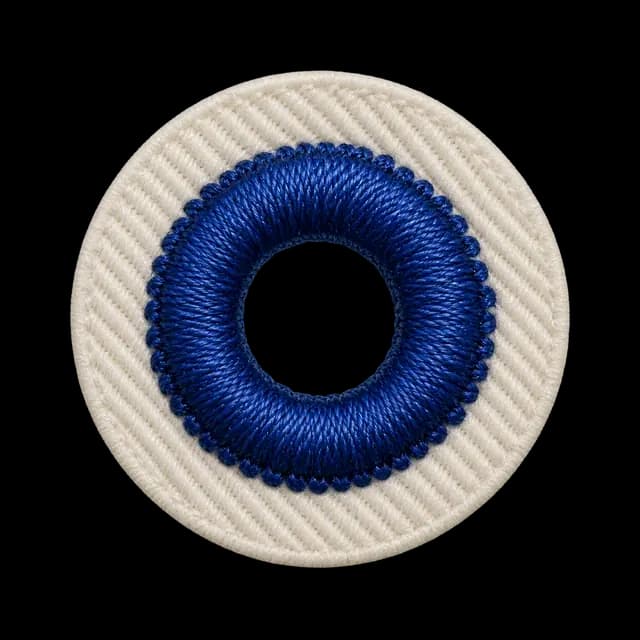
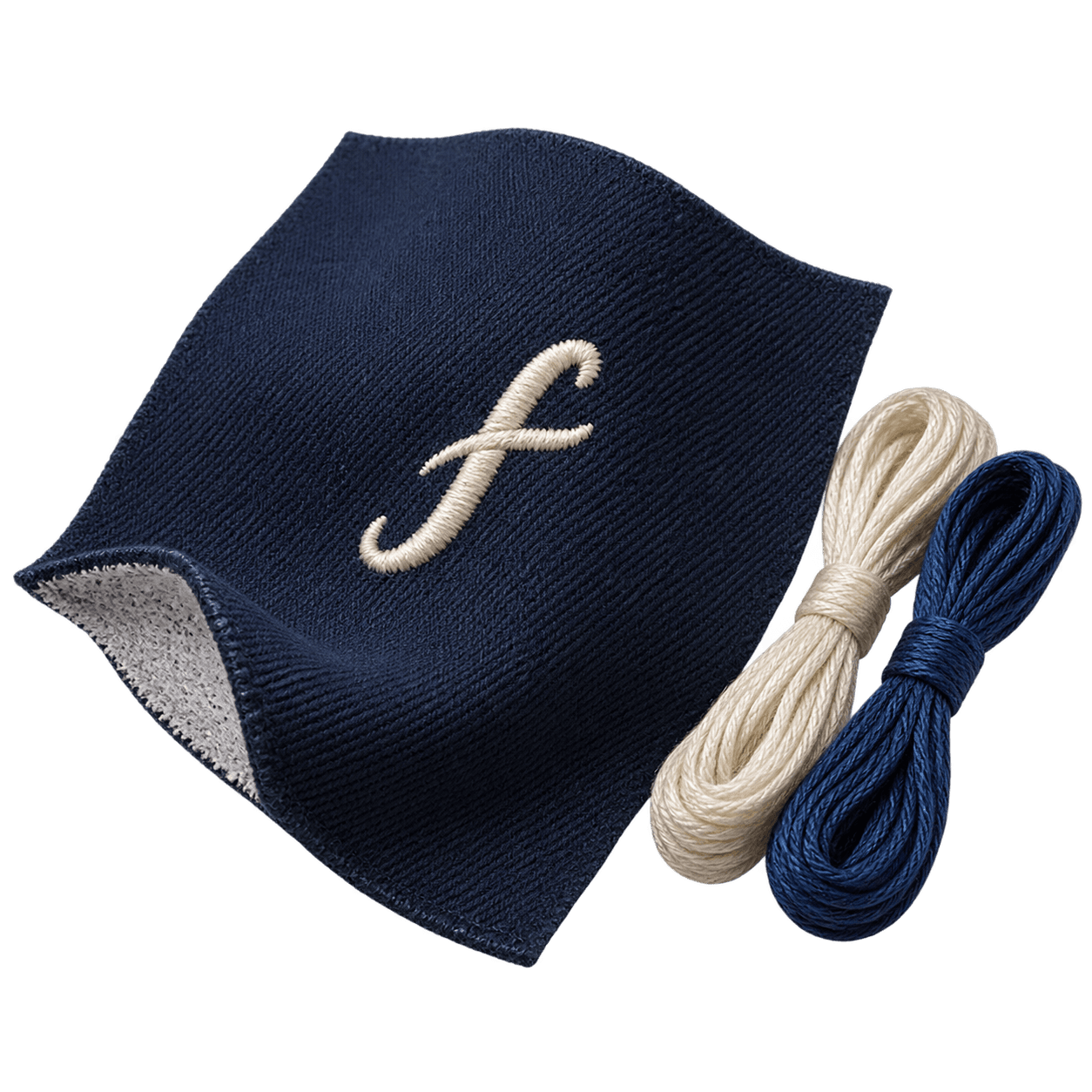 Decoration reference
Review the assembled hat, decorated surfaces and inside finish together. Keep an annotated change list so the next discussion refers to one clear version.
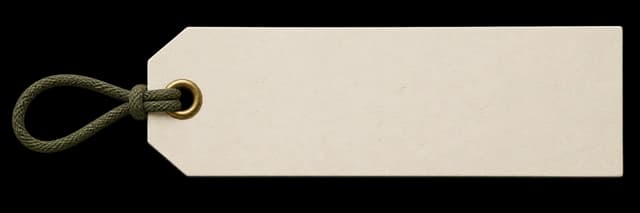
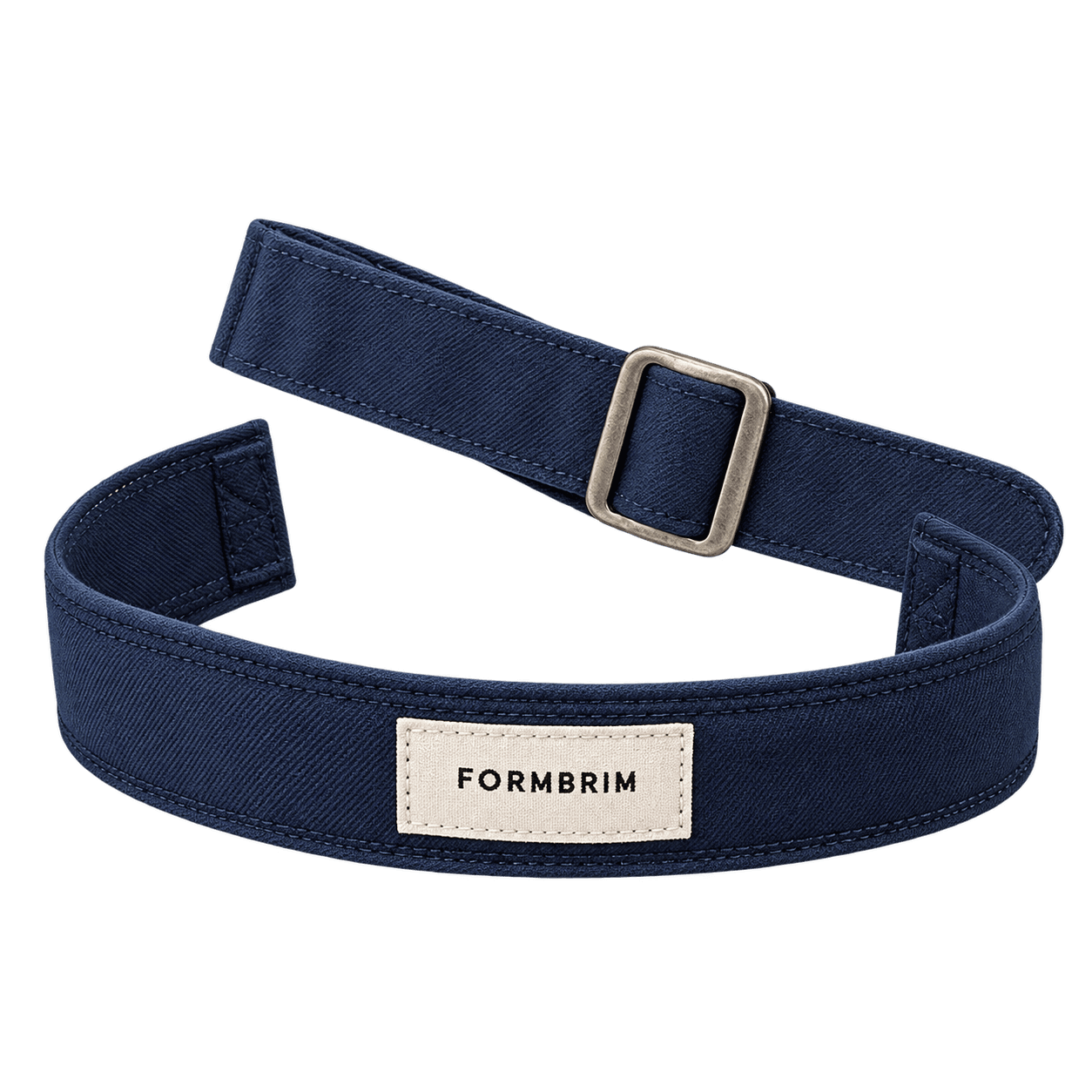 Inside & closure reference
We carry out 100% inspection. Agree the sample reference, inspection points and handling of any discrepancies with our team for your order.
A useful comparison starts with the same product requirements. Keep material, decoration, trims, quantities and destination together when discussing your order.
Describe the design you are considering and the changes you would like to make. We can discuss material, branding and the sample brief together.
 FORMBRIMBaseballOEM / ODM
Bring your shape, artwork and quantities together. Generated component references.
Prefer a direct conversation?
WhatsApp +86 158 0073 8029 ↗[email protected]