
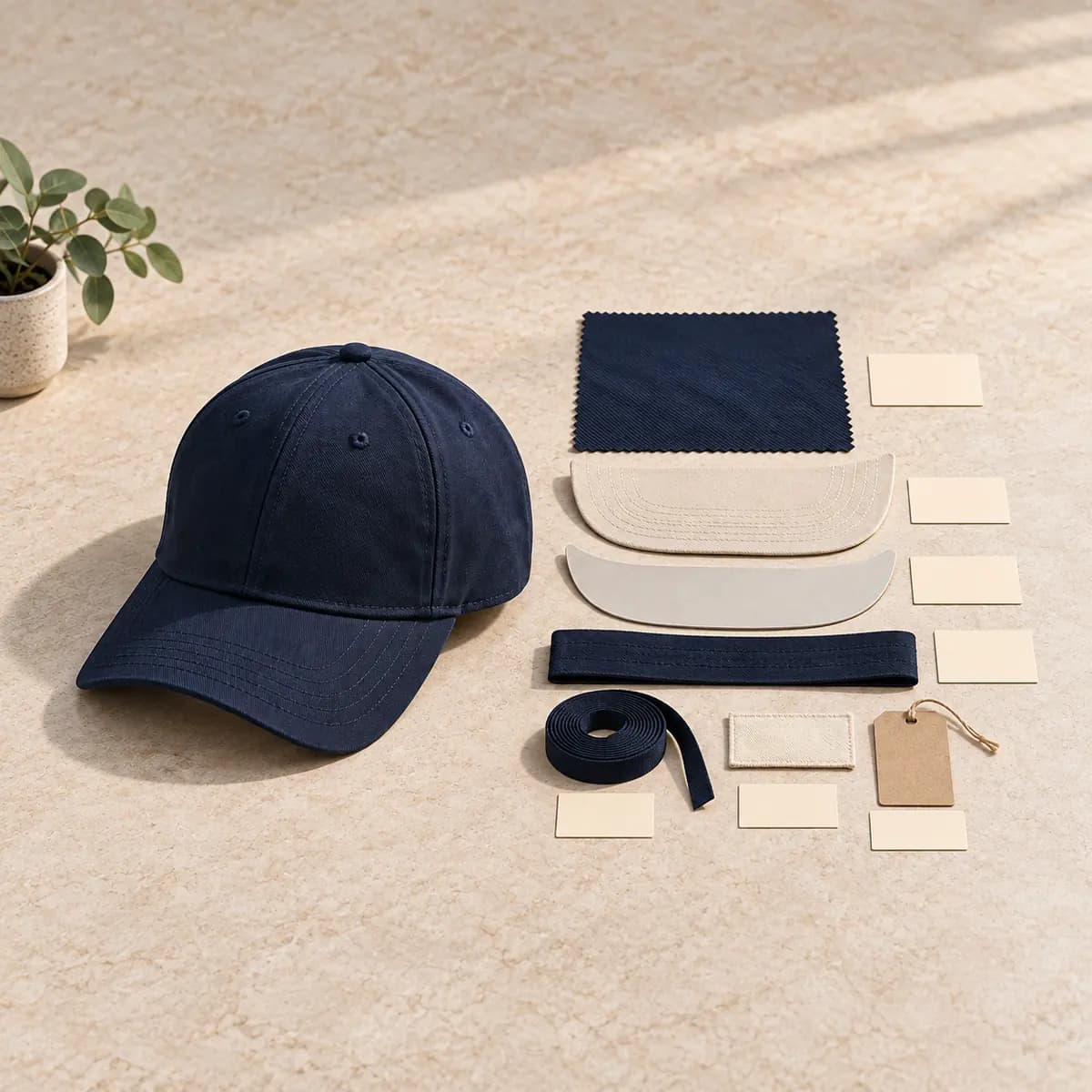
Use the BOM to answer which component belongs here
A garment bill of materials example becomes useful to a hat buyer when another person can identify every proposed component without interpreting the design photograph. For bulk headwear, that means more than crown fabric and a logo. The underbrim, insert, sweatband, seam tape, rear finish, labels and packing also need an identifiable place in the record.
NetSuite describes a fashion BOM as a component record within the wider tech pack. Techpackz shows how material descriptions, placement, color, source and quantity can be organized, while warning that example consumption requires factory confirmation. The worked hat record below applies that principle; its codes and decisions are illustrative, rather than a FORMBRIM order or internal operating system.
Keep the task narrow. Drawings establish the shape and placement; the BOM identifies what occupies each position. A quotation records the agreed commercial scope. Link those documents by style and revision, but do not expect a material list to replace either the construction drawing or the approved physical sample.
Example: a component matrix for two complete colorways
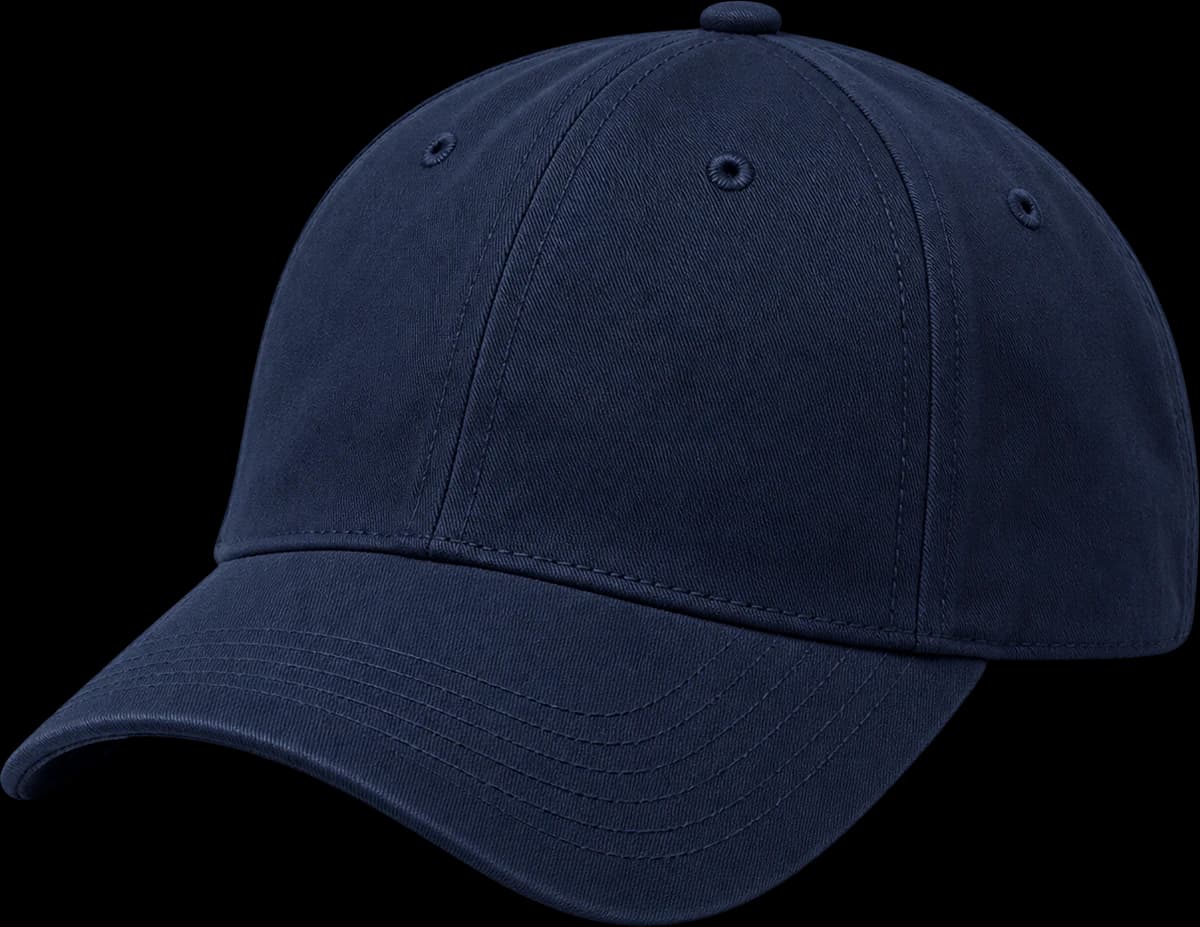
Consider planning style H29, a woven cap with a forward brim, in two colorways: A has a navy crown; B has an olive crown. Both use an ecru underbrim and navy inside trims. The following compact matrix names A and B on every line so a shared component remains an explicit instruction. All material references are invented planning codes; composition, dimensions, source and physical submissions still need agreement.
Read each line as position, colorway A, colorway B and quantity basis. A count of one assembly identifies the intended component, not its fabric consumption. Attach a swatch or drawing to each reference and add supplier details when confirmed. Status starts as proposed; a complete list is not yet an approved list.
- 01 / Crown cloth — A: NAV-C01 navy; B: OLV-C02 olive. Covers every crown panel on drawing H29-A. Fabric length and usable width: to be confirmed from the pattern.
- 02 / Upper-brim covering — A: NAV-C01 navy; B: OLV-C02 olive. Same proposed cloth as its own crown; record cutting use separately to avoid counting the same allowance twice.
- 03 / Underbrim — A: ECR-U01 ecru; B: ECR-U01 ecru. Shared cloth submission; finish and consumption remain open for both colorways.
- 04 / Brim insert — A: BR-I01; B: BR-I01. One insert per cap in this example; material, outline and bending behavior await sample review.
- 05 / Sweatband — A: SB-A01 navy; B: SB-A01 navy. One inside assembly per cap; width, length, composition and attachment reference remain to be confirmed.
- 06 / Seam covering — A: TP-N01 navy; B: TP-N01 navy. Shared proposed tape; drawing identifies the seams it covers. Linear consumption remains pending.
- 07 / Rear finish — A: RF-01; B: RF-01. Shared rear-opening assembly reference. Drawing and sample must resolve its construction; no elastic or hardware is assumed.
- 08 / Sewing thread — A: TH-N01 navy; B: TH-O02 olive. Main visible stitching follows each crown; separate inside-thread requirements must be added if agreed.
- 09 / Front decoration — A: DEC-01 ecru; B: DEC-01 ecru. One front position using artwork ART-03. Process, material and actual-size trial remain pending.
- 10 / Inside labels — A: LB-01 brand label plus CL-01 information label; B: the same LB-01 plus CL-01. One of each; content, placement and attachment await review.
- 11 / Hangtag — A: HT-01; B: HT-01. One shared tag design per cap; separate colorway identification is required wherever the agreed receiving plan uses it.
- 12 / Individual packing — A: PK-01; B: PK-01. One proposed packing unit per cap. Material, dimensions and identification remain open; master-carton allocation is a linked packing record.

- Keep navy and olive crown references separate.
- List the shared underbrim and inside trims for both.
- Confirm materials before changing proposed status.
Separate a shared reference from an identical appearance
The matrix shares ECR-U01, SB-A01 and the navy seam tape across A and B. That is a sourcing proposal, not proof that the combined cap looks right. Review those common parts against both crown colors. A navy inside trim can be acceptable beside navy cloth and still need a separate appearance decision beside olive.
Give each submitted material its own reference, even when several parts are described as navy. Crown cloth, tape and thread should not inherit approval from a color name. Keep the physical submission identifier, shade decision and any separate evidence requirement beside the component line. If a supplier proposes a different tape source for B, the shared row must split before that change becomes an instruction.
The drawing also decides whether apparently similar pieces really share a material. An ear-cover panel on a fold-down cap is an additional position with an attachment and inside contact surface. It cannot disappear into a generic crown-cloth line. Add the actual proposed assembly and its component references when developing that construction.
Example: record a sweatband substitute without replacing history
Suppose the sample discussion proposes SB-B02 in place of SB-A01 for colorway B only. Both are navy, but the new band has a different hand and edge construction. Do not overwrite row 05 with the phrase “new sweatband” or apply the change to A. Retain revision A and issue revision B with the affected colorway clearly marked.
The change record can read: H29, revision B; colorway B; row 05; original SB-A01; proposed replacement SB-B02; reason: review an alternative inside feel; status: pending. Keep A on SB-A01. Attach the replacement submission and request a sewn B sample showing its attachment, inside finish and effect on the opening. The example does not establish that either material has passed a test.
Name the decision owner and the evidence needed to close the proposal. If the revised sample is accepted, record its identifier, the accepted band reference and any conditions. If it is rejected, mark SB-B02 rejected rather than deleting it. When a substitution changes the quoted work or timing, obtain the corresponding commercial response before release.
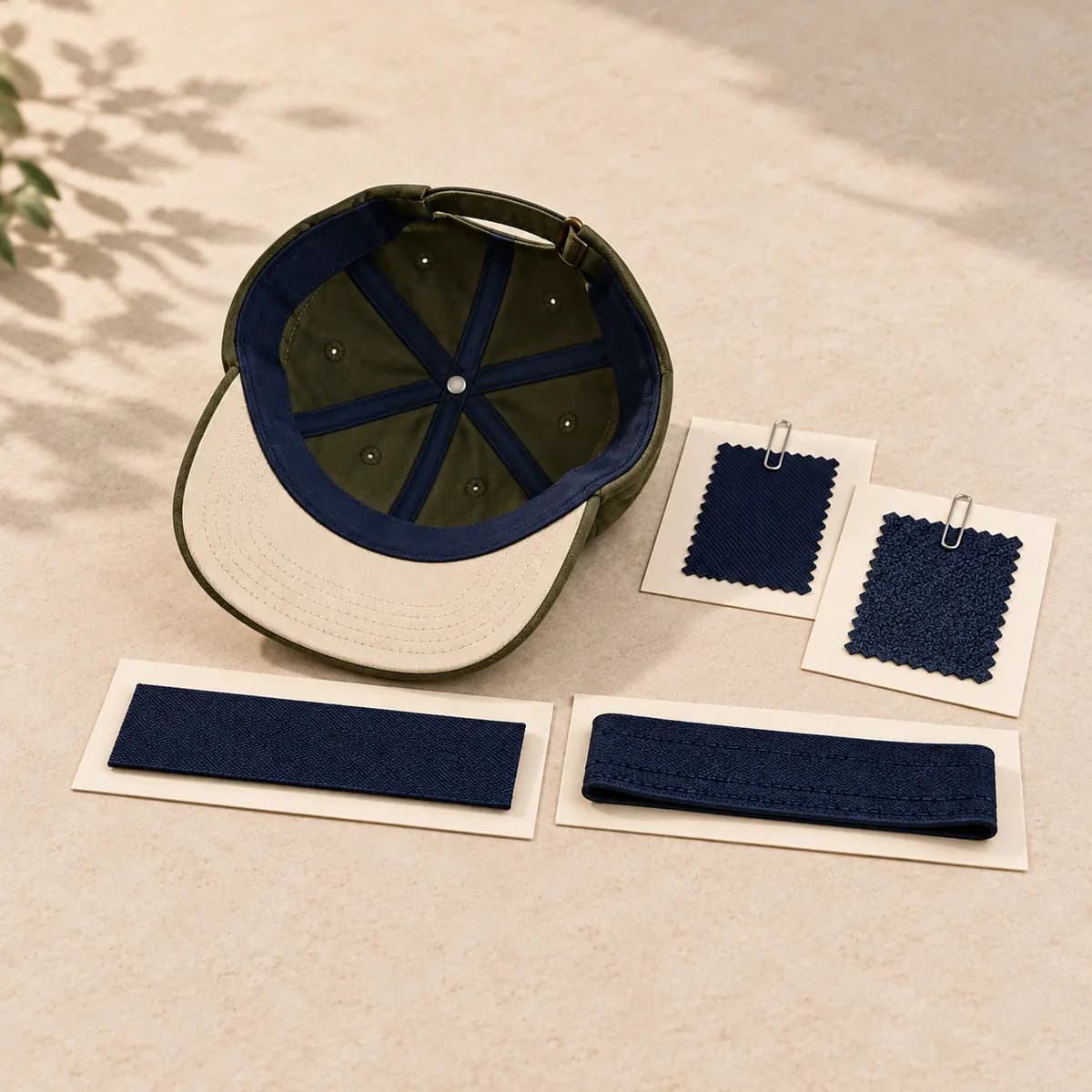
- Limit this replacement to the olive colorway.
- Record the original and proposed band references.
- Review attachment and opening on the revised sample.
Keep quantities and units at the correct level
For an illustrative request of 300 caps in A and 300 in B, the order contains 600 finished hats. A shared one-per-cap brim insert would therefore have a base requirement of 600 units before any separately agreed production allowance. The color-specific front-decoration and identification records still need the correct A and B allocation; a shared design does not remove that distinction.
Do not turn the crown-panel count into a fabric order in meters. Ask the manufacturer to confirm consumption against the accepted pattern, size allocation, usable fabric width and intended finish. Record the unit beside the number, and distinguish net use from any quoted allowance. There is no universal waste percentage supplied by this example.
Treat packaging at its own level. A single-cap packing component may be counted per hat, while a master carton serves a specified group. Link the approved carton plan instead of assigning one carton to every cap or silently omitting partial cartons. Reconcile the material quantities again if the order split changes.
Release a revision, then control later changes
Before the production discussion, compare the current BOM with the retained sample and drawing. Resolve unexplained differences rather than treating whichever file arrived last as authoritative. A sample may show the intended brim but use a temporary band; the component record should keep that band pending until its replacement is reviewed.
For a three-panel cycling-cap development, the numbered crown drawing can connect each cloth position to the material record. The short brim, rear finish and inside assembly still need their own references and sample decisions. A component list does not establish helmet compatibility or a performance property.
For a repeat order, start from the accepted revision and ask which components or sources have changed. Keep the previous reference available for comparison. A familiar style name is insufficient when a new fabric, insert or inside trim has been proposed. Release the current scope in writing after the affected checks are complete.
Bring a component and change record to the inquiry
Send the current matrix, its linked drawing, material submissions and colorway quantities together. Mark alternatives as alternatives and identify who can approve them. An unresolved field is useful when it names the decision needed; it becomes risky when a blank is mistaken for permission to choose anything.
FORMBRIM provides OEM/ODM headwear development with a published minimum of 300 pieces per style, per color. The minimum applies to the finished order; it does not validate the illustrative consumption or settle a component supplier’s requirements. Use the sampling discussion to confirm the proposed materials and assembly before treating the record as a bulk instruction.
- One style and revision linked to a numbered construction drawing.
- Every component allocated to every finished colorway.
- Material references, units, source and approval status kept visible.
- Substitutions recorded with the affected colorway and reopened checks.
- Accepted sample and commercial changes connected to the released revision.