
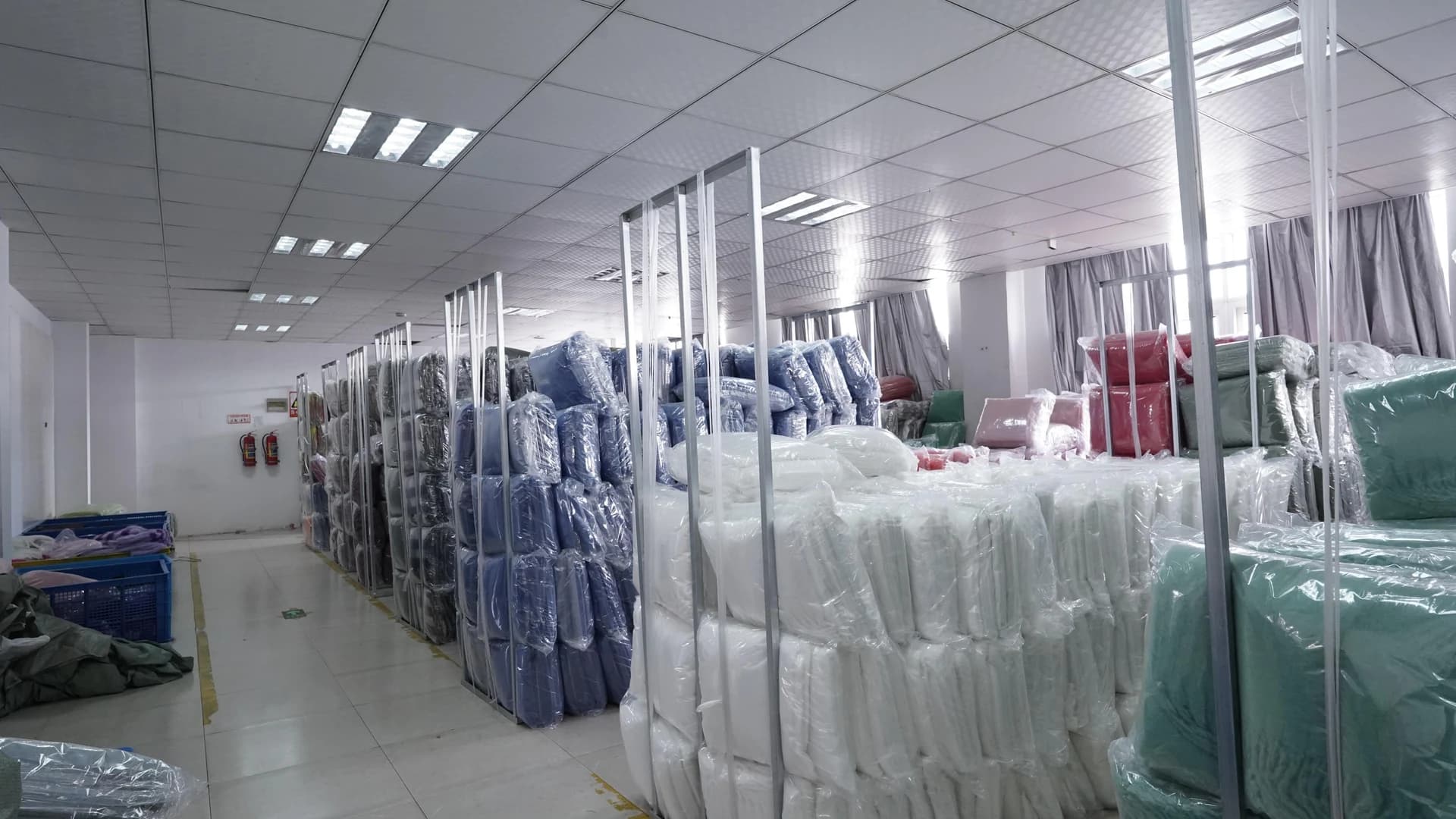
Make the briefs identical before comparing prices
Send each manufacturer the same brief and revision. Include construction, fabric reference, artwork size, labels and quantities per colorway. If one supplier receives a photograph and another receives a finished tech pack, their prices may cover different assumptions even when both call the item a custom baseball cap.
Ask suppliers to identify substitutions and open items. An alternative fabric or decoration method may be worth considering, but it should be visible as an alternative, with the original specification beside it. That makes the decision about the product rather than an unexplained difference between two numbers.
Read the material and construction description
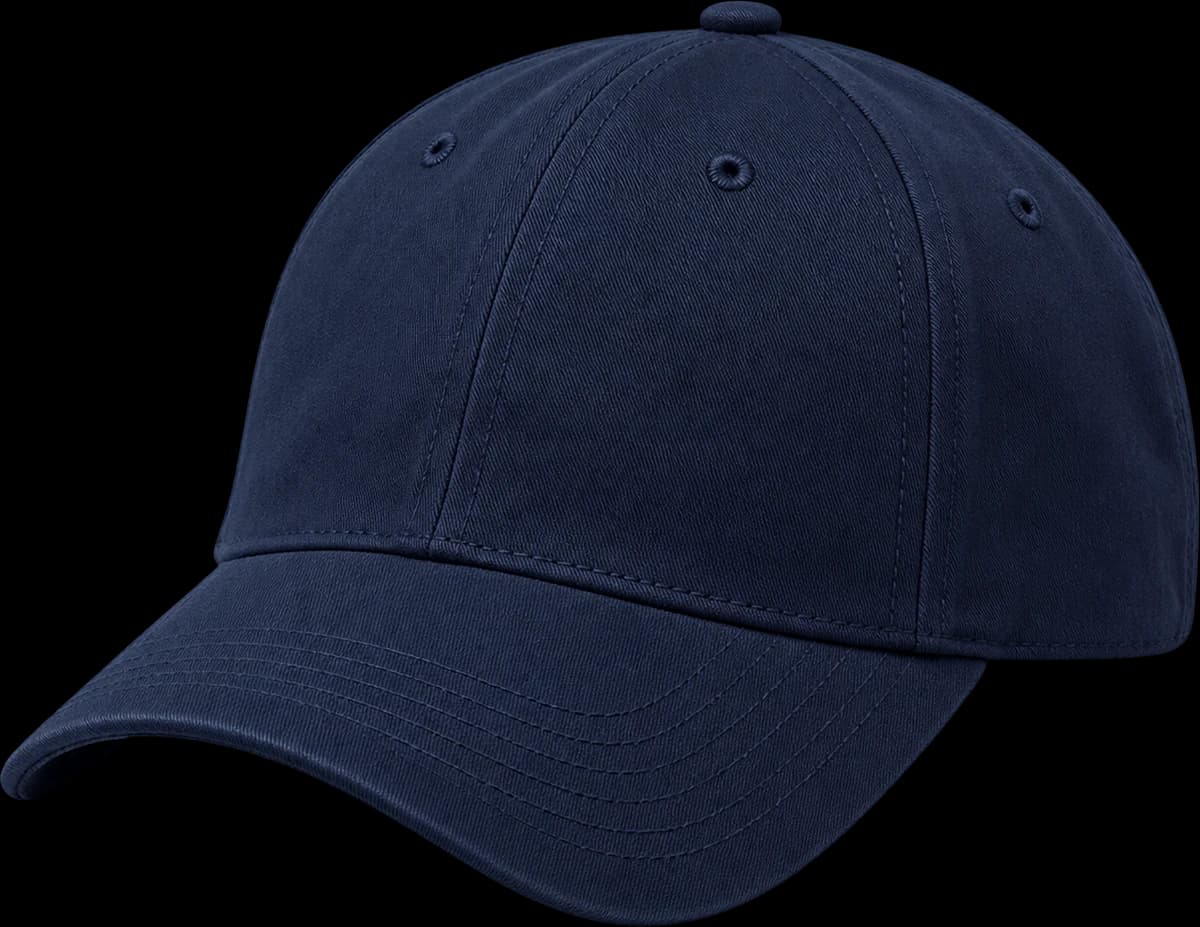
Check whether the quotation names the actual material or repeats a broad phrase such as “cotton cap.” Composition, surface finish, crown support, brim construction and rear adjustment can change the result. A washed unstructured dad cap is not interchangeable with a firm twill cap because both have curved visors.
If fabric selection is open, identify what the current price is based on and when it will be revised. Compare the sample against that basis later. Otherwise a promising sample can quietly become a different production specification, or an early estimate can be mistaken for a final price.
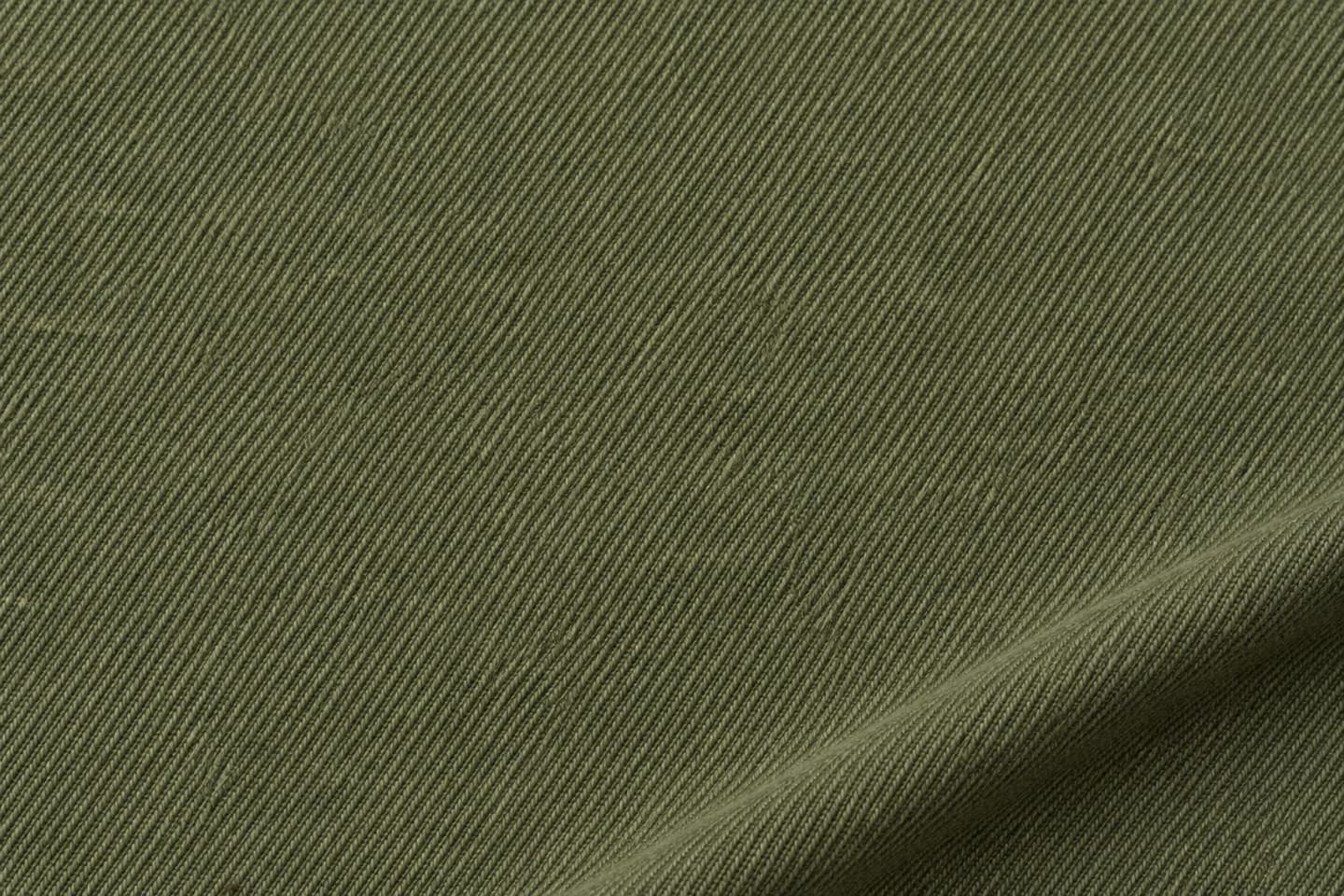
- Same fabric, weight and finish
- Same artwork, labels and packing
- Same quantities and delivery scope
What does “logo included” cover?
Record decoration positions, method, dimensions and artwork version. A small front wordmark and a large front emblem with rear embroidery are different scopes. Woven labels, patches and direct embroidery need separate descriptions rather than being grouped under “branding.”
Ask how artwork preparation, sample decoration and later file changes are treated. Do not assume setup is included or charged separately; have the quotation say which. If fine text is essential, request the review needed to establish legibility before using a mockup as evidence that the method will work.
Separate development work from the bulk order
A useful quotation distinguishes product quantity from development and other separately quoted items. FORMBRIM prototype samples cost US$50–200; the first modification is free. Prototype and modification sample fees are refundable with a bulk order of at least 100 pieces. Specify the sample type and confirm sample transport and the refund arrangement separately from the bulk unit price.
Keep payment arrangements, quote validity and the point at which pricing becomes final in the commercial discussion. This guide does not prescribe those terms. The aim is to compare totals covering the same work, with exclusions recorded before you choose a supplier.
- Bulk price and quantity basis.
- Sample and artwork preparation scope.
- Labels, hangtags and individual packing.
- Separately quoted transport or other charges.
- Unresolved specifications and the effect of changing them.
Example: two quotes that are not yet comparable
Quote A describes 200 navy caps with one front embroidery and standard individual packing. Quote B describes 200 navy caps with front and rear embroidery, an inside woven label and a printed hangtag. Even without prices, the mismatch is clear. First request the missing items or remove the optional ones from both versions.
The same applies to delivery scope. Goods ready for collection are not directly comparable with goods including a stated transport arrangement. Ask each party what happens after production and who arranges it. Use confirmed packed dimensions when available rather than estimating logistics from hat count alone.
Compare the answer quality as well as the price
Look for a response that identifies your construction and artwork, answers open questions and explains what still needs a sample. A precise question about a difficult detail is more useful than an unqualified promise that every feature will match a photograph.
FORMBRIM’s published minimum is 100 pieces per style and color. Bring the full breakdown, destination and target arrival date when requesting a quote. Keep the responses together and revisit them after sampling; an approved revision may change the product you originally asked to price.