
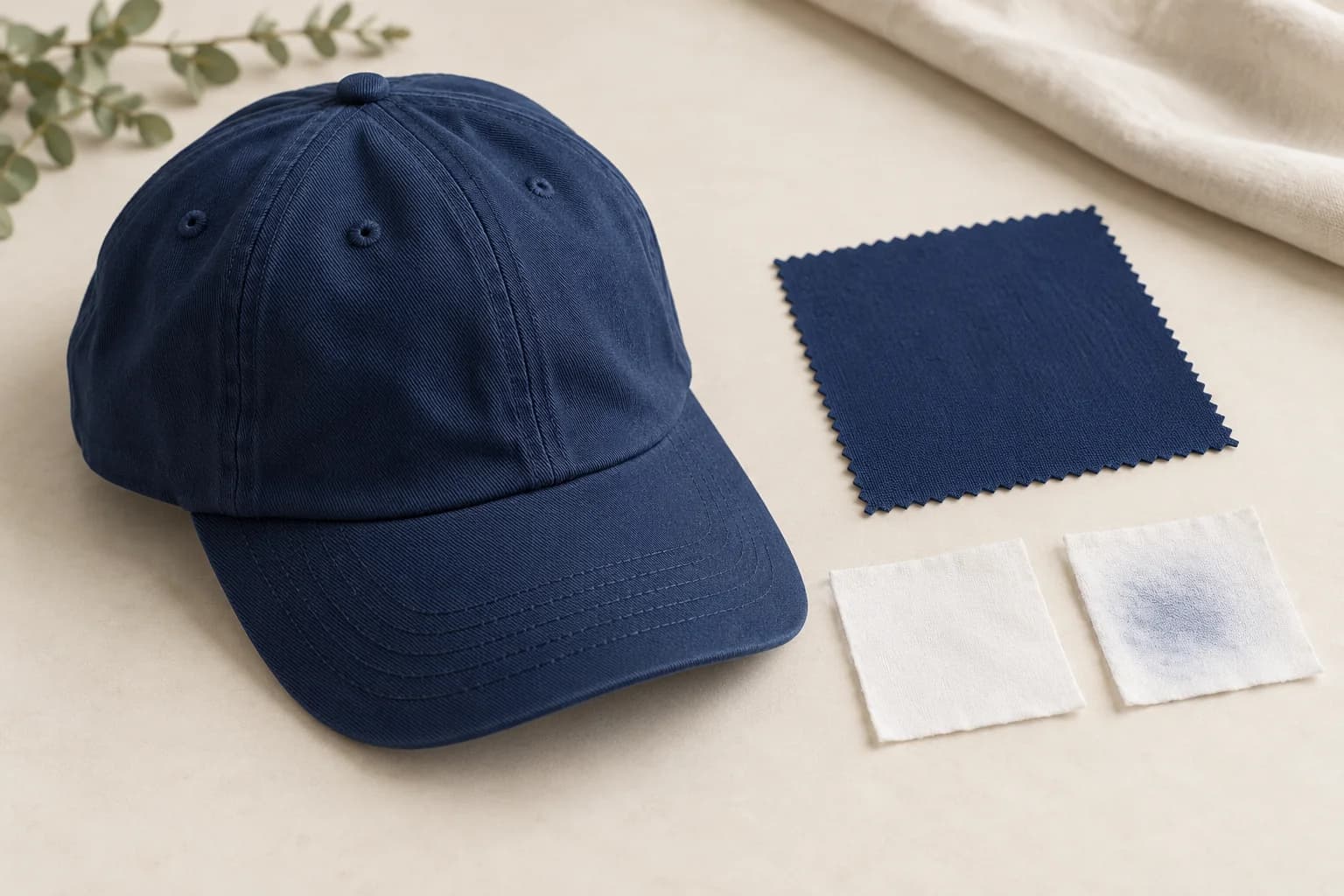
A color approval and a fastness result answer different questions
Colorfastness testing evaluates how a colored textile responds to a specified exposure. For a headwear buyer, the useful question is not whether a supplier can describe a fabric as colorfast. It is which component, color and exposure the available evidence actually covers, and whether that evidence matches the proposed order.
A physical shade reference helps establish the appearance you want. It does not establish resistance to rubbing, moisture, perspiration or light. Keep the appearance approval and the test requirement as separate lines in the material brief. A sample can be accepted for shade while evidence for a contact surface remains pending.
Start with the product and its intended use. Name the surfaces that may touch the wearer, another garment or another cap in packing. Then ask a suitable laboratory which methods and conditions address those concerns. Avoid choosing a convenient report first and trying to make every material fit it.
Choose an exposure before asking for a grade
A dark crown rubbing against a pale surface is a different question from a sweatband exposed to perspiration. A laundering requirement is another decision, and should agree with the intended care instructions and actual construction. An outdoor use case may also raise a light-exposure question; the use-case name alone does not establish a test or a claimed protection level.
AATCC lists separate colorfastness methods for crocking, perspiration, water, laundering and light. Its method directory is a useful starting point for a laboratory discussion, rather than a menu from which every hat automatically needs every test. Ask the laboratory to identify the appropriate method, current revision and relevant conditions for your material and destination requirements.
Write the decision in plain language before adding a method identifier: for example, “Review possible transfer from this dark crown material onto a pale adjacent textile under the agreed contact conditions.” That gives the testing specialist a concrete concern to assess. Do not turn a household rubbing experiment into a laboratory result.

- Identify crown, mesh and contact components separately.
- Describe the intended exposure and contact surface.
- Confirm the method and conditions with the laboratory.
Map the cap into materials that can be traced
A cap is not one homogeneous test specimen. Crown cloth, visor covering, underbrim, mesh, sweatband, seam tape and decoration can come from different material sources or processes. Identify the components relevant to the exposure. Where the concern is contact between two components, explain that relationship rather than submitting an unidentified blue swatch.
For each requested specimen, record the style, component name, color reference and material submission identifier. Include the proposed finish or wash when it matters. Ask what quantity and form the laboratory needs, and whether the submitted item represents the material stage you want assessed. A loose fabric specimen and an assembled decorated hat can answer different questions.
Keep any substitute material explicit. A development swatch may help select a direction without representing the final bulk material. If the material, dyeing process, finish or decoration changes, ask which evidence needs reassessment. A familiar color name does not establish that a new submission is covered by an older report.
Read the report beyond a pass or a grade
Check the report identifier, laboratory, tested sample description and test date against your material record. Then read the method, revision, conditions and reported observations. Ask about an unclear sample description before treating the result as order evidence. A supplier name on a report does not by itself connect the specimen to the cloth proposed for your caps.
Color change concerns the tested material itself; staining concerns transfer to an adjacent material. AATCC describes separate gray scales for these evaluations. Keep the reported endpoints separate when they appear on a report. Do not reduce several results or exposure conditions to one unsupported “grade 4” statement.
Agree acceptance requirements with the appropriate technical parties before the test, including which result applies to which component. This guide supplies no universal passing grade. A requirement copied from another product may use a different exposure or assessment basis. If the report omits a required condition, record the gap and request clarification rather than assuming the missing result passed.

- Match the tested sample identity to the component.
- Keep color-change and staining endpoints separate.
- Record evidence gaps and renewed sample checks.
Example: navy crown, cream mesh and a dark sweatband
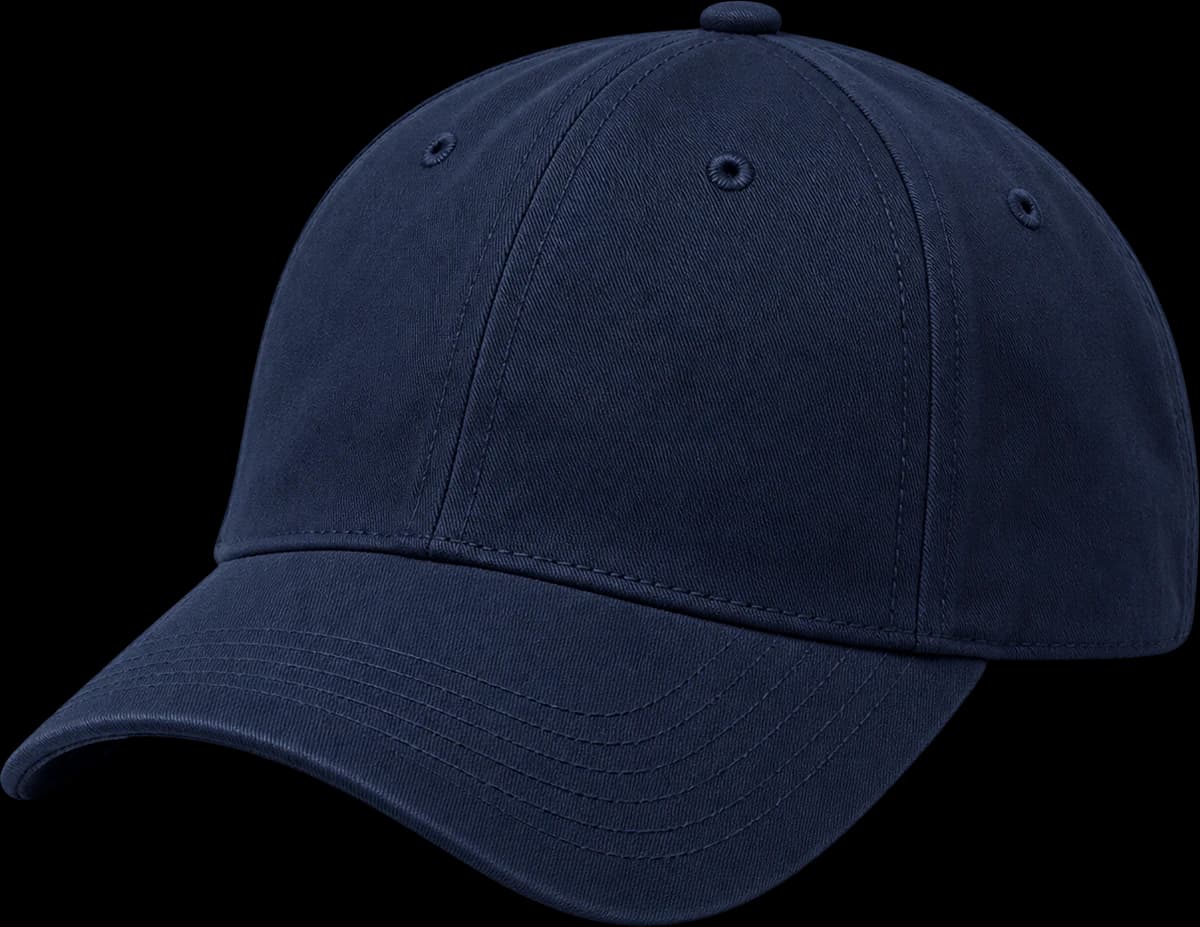
Consider an illustrative trucker-cap brief with a navy fabric front, cream mesh and a dark inside sweatband. The buyer has accepted the visible color pairing. A supplied report identifies the navy crown fabric, but no matching sweatband reference appears. The useful next step is to resolve that identity gap and the intended exposure requirements, not to reject every component or approve the whole hat.
Create three record lines: crown cloth, mesh and sweatband. Against each, list the material reference, relevant concern, evidence requested and current status. If the concern includes a dark component touching a pale one in packing, describe the actual contact and packing proposal to the testing specialist. A result from another fabric should not silently stand in for that combination.
After any proposed material change, compare the sewn sample again for shape, hand, color and decoration. A replacement that addresses one testing requirement may alter another approved design detail. Link the technical response and the renewed sample decision to the same revision. This is a planning example, not a FORMBRIM test or customer result.
Resolve a gap without losing the approved design
When evidence is missing or a result does not meet the agreed requirement, identify the affected material and order scope first. Ask for the proposed action and who will assess it. A changed dye, finish or material may require both testing review and a new appearance or construction approval. Keep those actions visible instead of replacing a file attachment without explanation.
An accepted laboratory result is bounded by the tested specimen, method and conditions. It does not establish every property of the assembled hat or guarantee its behavior in every use. Similarly, FORMBRIM’s stated inspection process does not substitute for a specific laboratory report. Discuss any test requirement, cost, timing and evidence responsibility as part of the project before treating it as included.
Keep a simple change record: original component reference, reason for change, proposed replacement, evidence to review and the sample details reopened. Retain the accepted material reference when closing the issue. That makes a later repeat-order question easier to answer than a collection of reports labeled only “latest.”
Send one testing brief with the sampling request
Bring the requirement into development while material choices are still open. Supply the hat construction, component list, intended use and care direction, destination, color references and the questions you need the evidence to resolve. The manufacturer and testing specialist can then identify what is feasible and what still needs confirmation.
For the order discussion, retain a record that connects the component reference, agreed requirement, report and approval status. Distinguish approved appearance, accepted test evidence and pending matters. FORMBRIM develops OEM/ODM headwear with a published minimum of 300 pieces per style, per color; that commercial minimum is separate from a laboratory’s specimen requirements.
- Name each component, material submission and colorway.
- Describe the exposure concern and intended contact surfaces.
- Agree the method, conditions and acceptance requirement with the appropriate specialist.
- Trace results to the submitted material and record remaining gaps.
- Reopen affected sample checks when a material changes.