
Give every component a reference and a role
Start by defining which parts should match and which should contrast. “Navy cap” leaves the crown, brim underside, closure, mesh and embroidery open to interpretation. Create one component list for each finished colorway. Record the material, color reference and intended relationship to the main fabric. A named physical swatch is more useful than several screenshots with slightly different shades.
If you use a color-system code, include the system and reference format rather than only the number. Send the physical reference when practical and agree which reference controls the decision if it differs from a digital mockup. For a repeat order, identify the retained approved sample as well as the earlier order. Do not assume that a previous color name uniquely identifies the material now being proposed.
Compare surfaces together, not color names alone
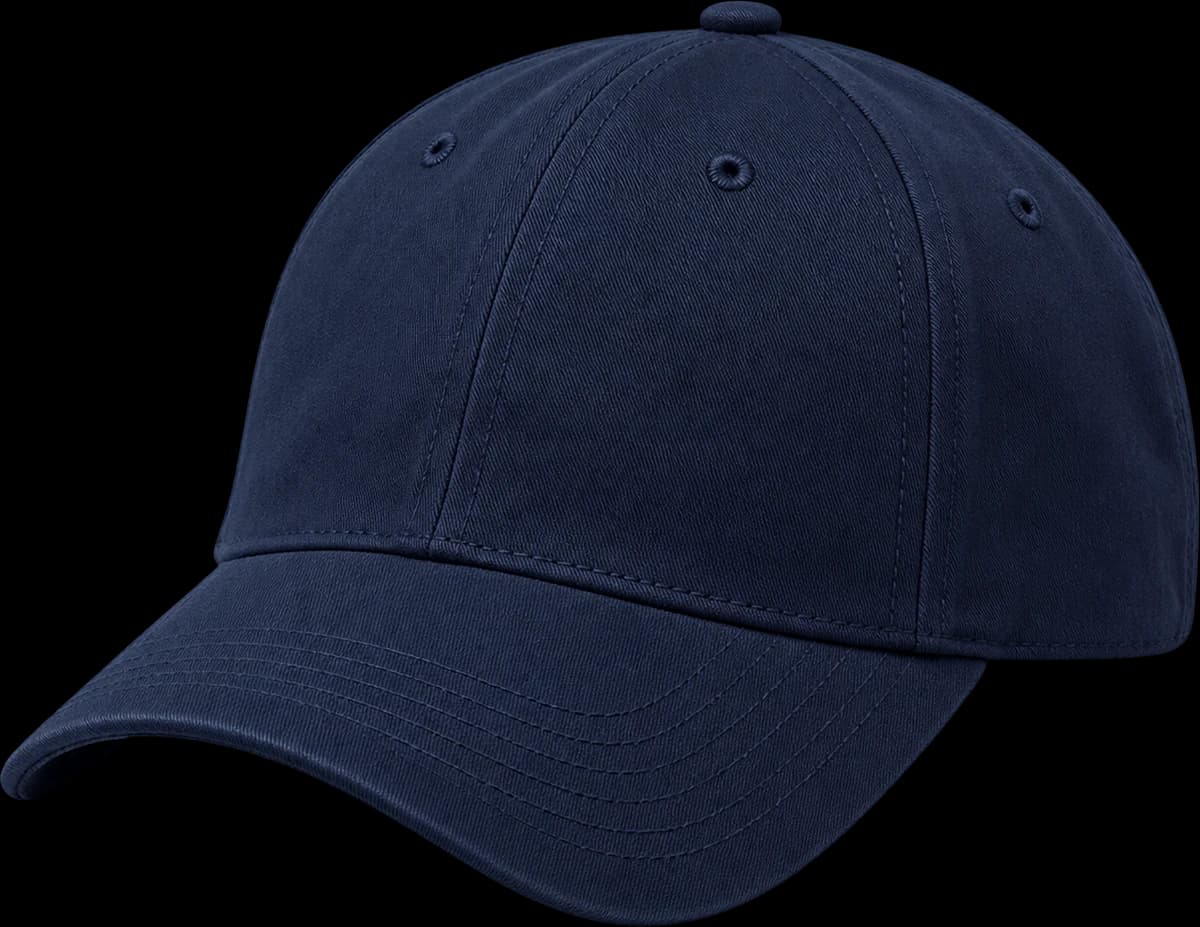
Look at the woven brim and open mesh in the illustration below. They have different surfaces even when intended to coordinate. View the proposed components beside each other, then on the assembled hat. Mesh also exposes the background behind it, so compare it in a consistent setting and as worn. A swatch placed on white paper and mesh photographed against a dark crown answer different visual questions.
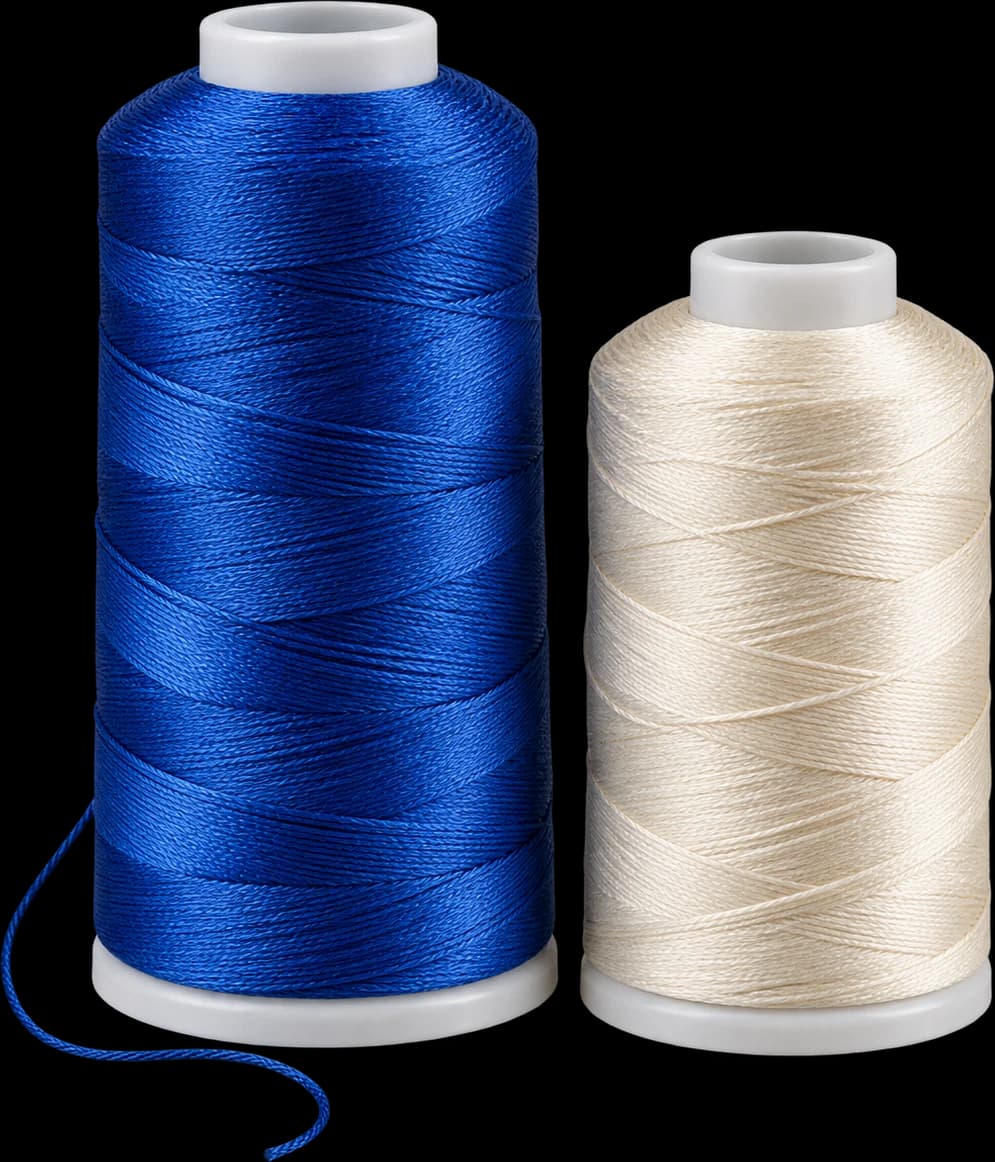
For corduroy or a brushed surface, keep the material orientation consistent while comparing. For embroidery, review the stitched area against the fabric, not only a thread cone beside it. Decide whether the requirement is a close visual match or an intentional tonal relationship. Record an accepted difference explicitly; “approved navy” does not tell the next reviewer whether a lighter mesh was deliberate.
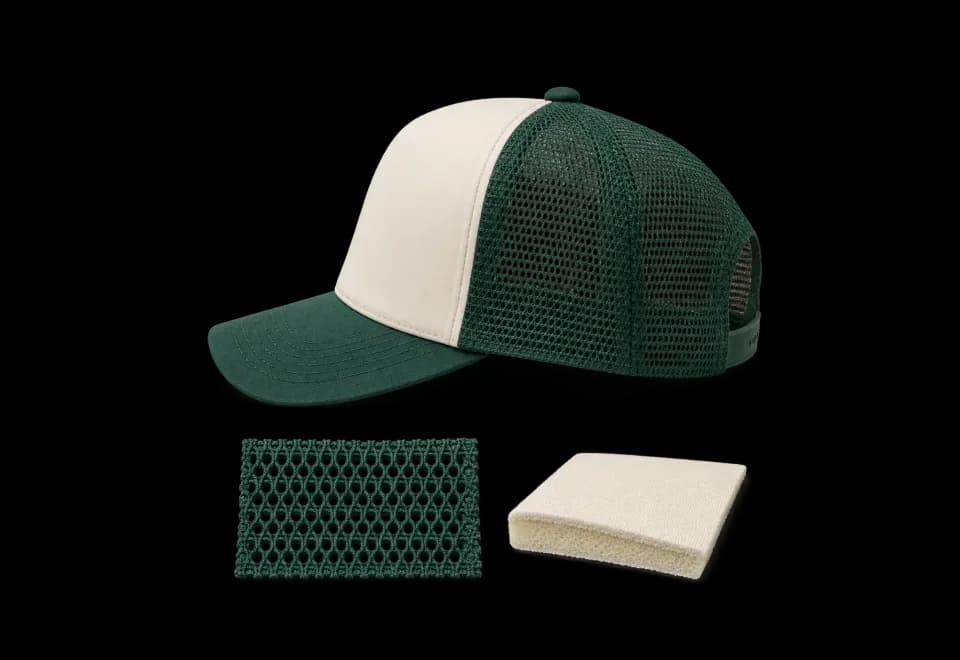
- Woven brim: use the agreed fabric reference
- Open mesh: keep the background consistent
- Finished cap: review the complete combination
Use consistent light and treat photographs as notes
Compare the physical reference and proposed material side by side under agreed lighting. Keep the viewing direction and background consistent. If the hat must coordinate with another garment, include that garment reference in the comparison. A picture can locate a mismatch and document the items reviewed, but camera processing and displays can change what the recipient sees.
A pair of materials may match under one light source and differ under another. X-Rite describes this as metamerism and recommends evaluating relevant lighting conditions. Discuss where the product will be seen and how the color review will be conducted. A request for controlled evaluation does not establish that a particular instrument or light booth is available; confirm the method with the manufacturer. For measurements, agree the method and acceptance criteria instead of importing an unexplained numerical tolerance.
Turn a mismatch into one specific decision
Describe the relationship that needs changing: the mesh appears greener than the approved crown, the underbrim is too light, or the embroidery blends into the fabric instead of standing out. Identify the component and reference rather than asking to “make everything darker.” Keep accepted components fixed while requesting an alternative for the unresolved one.
Ask what options are feasible for the selected materials and order. An available alternative shade and a proposal requiring a different material are different decisions; either may affect appearance, hand, cost or schedule. Review those consequences before agreeing. If the crown fabric changes, revisit its relationship to the mesh and thread. Replacing one component can make a previously accepted combination look different even though the other materials have stayed the same.
- Name the component and the reference it should match.
- Record the viewing conditions and the observed difference.
- List accepted components to retain.
- Request an identified alternative and clarify its effect on the order.
Keep swatch approval separate from complete-hat approval
A material swatch approves the item reviewed for a stated purpose. It does not automatically approve a wash effect, embroidery appearance or unseen colorway. If the sample uses temporary mesh or an unapproved closure, mark those items pending. Review the complete hat when the open question is how components look together, particularly after a fabric or finish change.
Ask which sample represents the intended production materials and record substitutions. When a different material, finish or color reference is proposed after approval, request review before accepting it as equivalent. Retain the agreed references and final component list for the order. For repeat production, compare the new proposal with that record instead of relying on a website photograph. Record color approval separately from any colorfastness or performance requirement; visual matching does not establish those properties.
Example: resolve a trucker cap mismatch
An illustrative instruction reads: “Style TC02, navy colorway, sample 03. Crown fabric C1 and front thread T2 are accepted. Mesh M1 appears greener than C1 when viewed together under the agreed review light. Propose an alternative mesh for visual coordination with C1; keep the crown, brim and thread unchanged. Provide the identified mesh reference, then confirm the combination on the assembled cap. Mesh and complete-colorway approval remain pending.”
This tells the supplier what to compare and prevents a whole-cap color change. Once an alternative is chosen, check it beside the retained references and record its identifier, sample version, reviewer and actual decision date. Confirm every remaining component, including the closure and underbrim. Keep that record with the artwork and order breakdown so a later embroidery revision or additional colorway does not silently inherit an approval it never received.