
Begin with the reported incident and the open decision
A broken needle policy describes how a supplier controls needle use and responds when a needle breaks. For a bulk hat buyer reviewing a reported incident, the immediate task is to understand what remains unresolved: the needle fragments, the potentially affected work, or the decision about that work. Request the supplier’s applicable procedure and the account of this event rather than accepting a general assurance that inspection is complete.
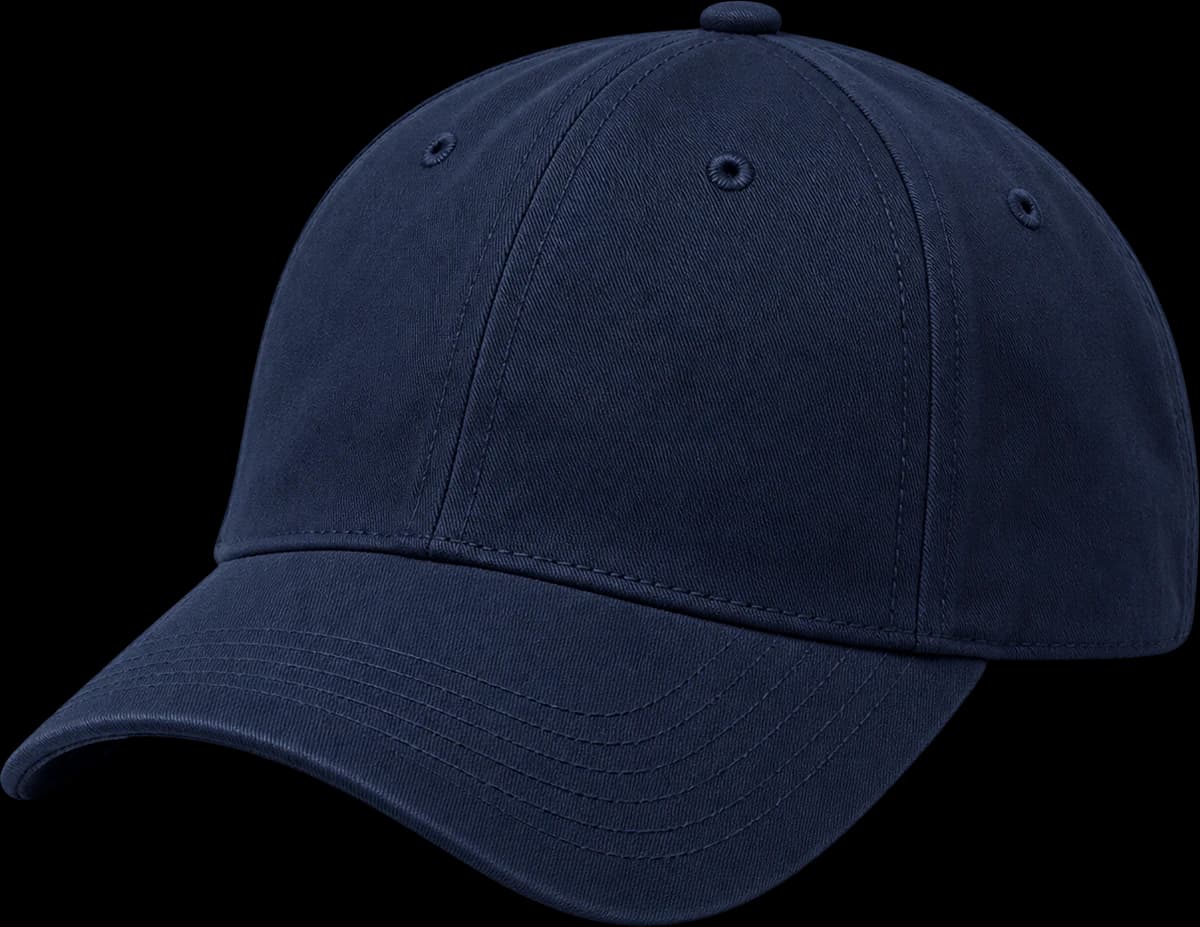
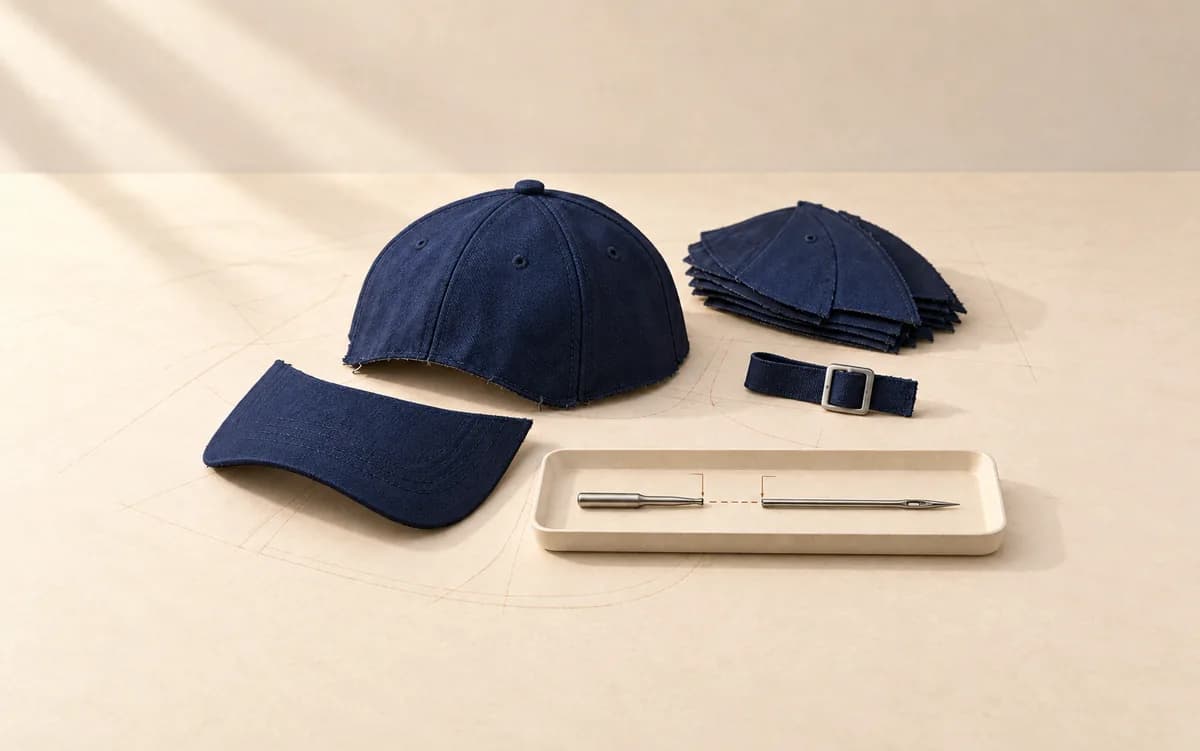
Consider one hypothetical incident at crown-sewing station S1 for a navy six-panel cap. The upper shank piece and the lower piece containing the eye and point have been recovered; a short middle section of the shaft remains missing. Some cap work is at the station, some has moved onward, and neighboring work is waiting. The cap specification also includes an ordinary metal rear buckle. These details keep the example concrete without describing a FORMBRIM incident.
Fashion Capital’s published policy for The Factory assigns fragment collection and records to an appointed responsible person and escalates missing parts to management. It is an operating-factory example of a defined response, not a procedure to impose on every supplier. Your order needs its own responsible technical contact, applicable requirements and documented decisions.
Reconcile fragments against the same needle reference
Ask how the recovered pieces have been related to the needle that broke. The technical owner should identify the relevant needle reference and explain the comparison, including any unresolved gap. A photograph of several metal pieces is insufficient when the buyer cannot tell whether they belong to one needle, overlap one another or leave a section unaccounted for.
In the accompanying diagram, the recovered upper shank and lower eye-and-point section align with one intact reference outline. The dashed middle-shaft outline marks the missing section between them. This three-piece arrangement serves this example only; the number and shape of fragments in another break can differ. Count alone cannot establish completeness, and a visually joined outline does not prove the condition of the cap work.
Groz-Beckert’s Ideal Needle Handling material describes photographic needle-change records, buyer audit access and a return box that helps compare fragment completeness. That is one manufacturer’s system example. The useful procurement question is what identifiable evidence the actual supplier can provide; purchasing that system or using a particular record format is not assumed here.
Write the current observation precisely: “The upper and lower pieces are shown against the stated needle reference; the middle section remains unaccounted for.” Ask the technical owner to confirm or correct that account and explain the next action. Preserve the earlier missing-piece state if later evidence changes it, so the buyer can follow what was unresolved and what subsequently became known.
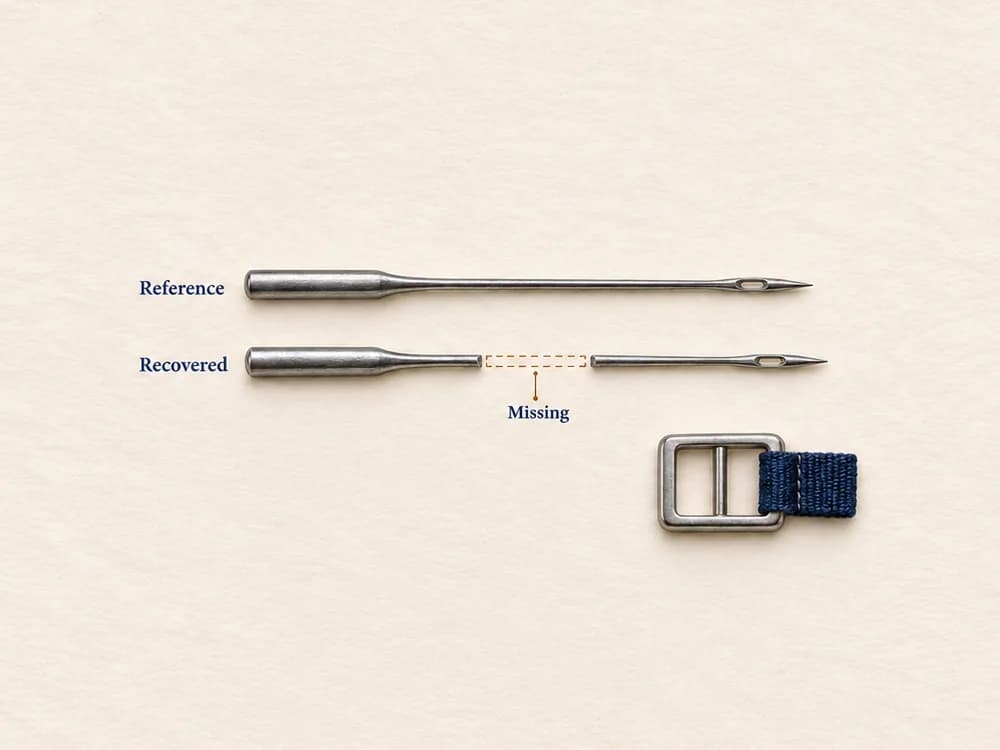
- Match recovered parts to the correct needle reference.
- Identify the missing shaft segment explicitly.
- Record the cap buckle as a separate metal component.
Keep intended cap hardware separate from the fragment account
The specified rear buckle is an intended component of this cap. It belongs in the component reference, apart from the recovered needle pieces. Show the approved buckle shape and installed position when discussing the incident. Neither a loose buckle nor a photograph of the finished adjustment can fill the missing middle section in the needle comparison.
If the supplier proposes a separate checking process, ask the technical owner to explain its suitability for the actual cap construction, including its intended metal hardware, and what its evidence can establish. The presence of a buckle alone does not establish whether a particular process is suitable. Equipment identity, settings, verification and limitations need an actual technical response rather than an assumed sensitivity or a generic “metal checked” statement.
Keep the two questions visible in the response: which needle material is accounted for, and what has been established about the implicated goods? A component identity answers neither by itself. The buyer’s role is to identify the unresolved question and obtain the responsible assessment, not to select an operating method from an illustration.
Trace the affected work across the station and its movements
A missing fragment leaves a second question: which work does the incident response cover? Ask the technical owner to explain the relevant operation, workstation and time interval, and the evidence used to set that boundary. The moment the break was noticed may not, by itself, establish when it occurred. Avoid borrowing a fixed number of minutes, a search radius or a bundle quantity from another factory’s procedure.
The diagram follows three groups in the same example. W1 is the cap work present at S1. W2 has already moved from that operation to the next stage. W3 is neighboring waiting work whose relationship to the event remains unresolved. These groups organize the questions; they do not declare W1 and W2 contaminated or W3 clear. The actual boundary must follow the incident evidence.
Request the movement account that connects these groups: what was at S1, what left it, where that work is now, and how the supplier has identified it. Ask why neighboring work is included or excluded. If the timing or movement history is uncertain, have the technical owner state that uncertainty and explain how it changes the proposed scope. Physical distance alone is not an explanation.
The useful buyer output is a work map with a reason for each group’s status. For W2, “already moved onward” is a location update, not a disposition. For W3, an unresolved relationship remains an open boundary question. Retain the original group identities when new information arrives so that a later response can be compared with the same work.
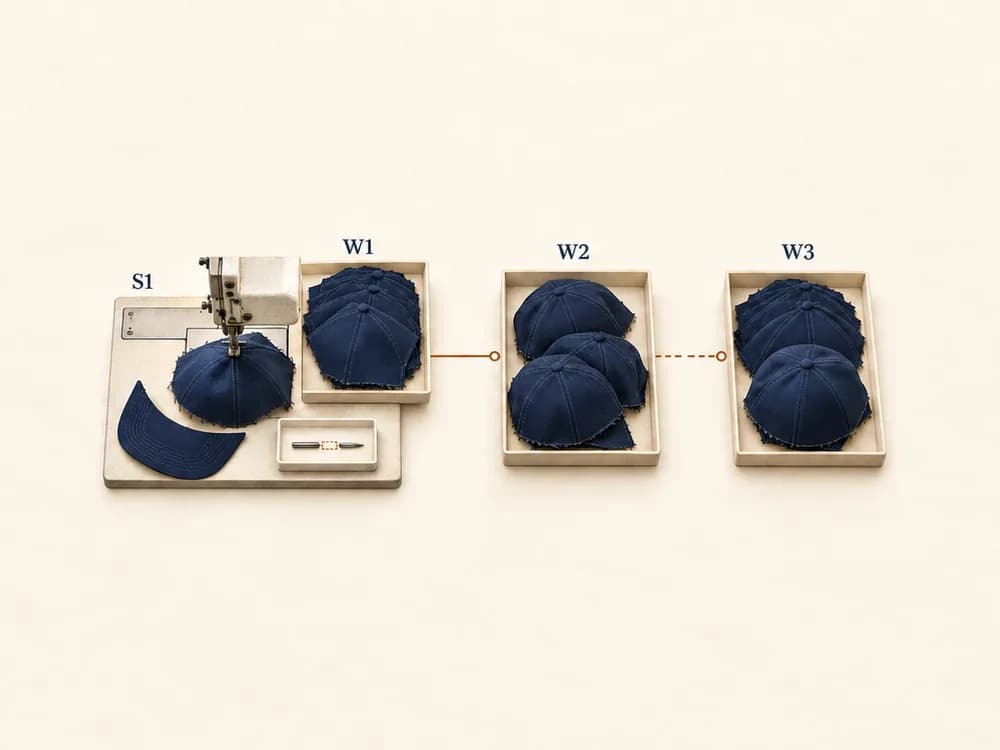
- W1: identify work at station S1.
- W2: trace the connected group after it moved onward.
- W3: check its relationship before deciding its scope.
Request the next technical decision for each open question
Bring the fragment account and work map together before asking for an outcome. If the middle section remains missing, request the named technical owner’s proposed response for the identified work and any unresolved boundary. If an additional piece is found, ask how it was matched to this needle and what that changes. Finding another piece does not, on its own, answer every question about work that has moved elsewhere.
Keep responsibility explicit: who confirms the fragment comparison, who determines the affected-work scope, and who is authorized to decide the relevant next step under the order’s requirements? A buyer may need its own quality contact involved. Ask for the decision, its basis and the work it covers; do not turn an email acknowledging receipt of evidence into approval to restart or ship.
URBN’s vendor requirements address metal and needle control separately from distribution-center acceptance sampling. That distinction is useful here. An AQL sample result, a pre-shipment inspection booking or a general statement of 100% inspection does not explain what happened to this missing fragment or close an uncertain W2 boundary. Those activities retain their own scope; the incident needs its own resolved questions and accountable decision.
Send a focused supplier-response request
A focused follow-up for this example could read: “Please confirm the middle-shaft gap in the needle comparison, identify the work present at and moved from S1, and explain whether W3 belongs within the affected-work boundary. Name the technical owner and provide the proposed next decision for each unresolved group.” This gives the supplier concrete questions without prescribing a disposal, checking or release procedure.
For a new OEM/ODM cap project, bring your buyer requirements into the supplier discussion before production. Ask which procedure, responsibilities and evidence will apply to the proposed order. FORMBRIM’s published minimum is 300 pieces per style, per color. Use the inquiry to discuss the headwear project and requested quality-control scope; the commercial minimum does not establish a particular needle-control system or incident outcome.
- The identified cap, sewing operation and reported needle break.
- The needle reference, recovered pieces and explicitly unresolved fragment gap.
- The reasoned work boundary, including onward movements and uncertain groups.
- The intended metal buckle reference, separate from needle fragments.
- The responsible technical contact, open questions and requested next decision.