
Design reference
Washed bucket hat ↗
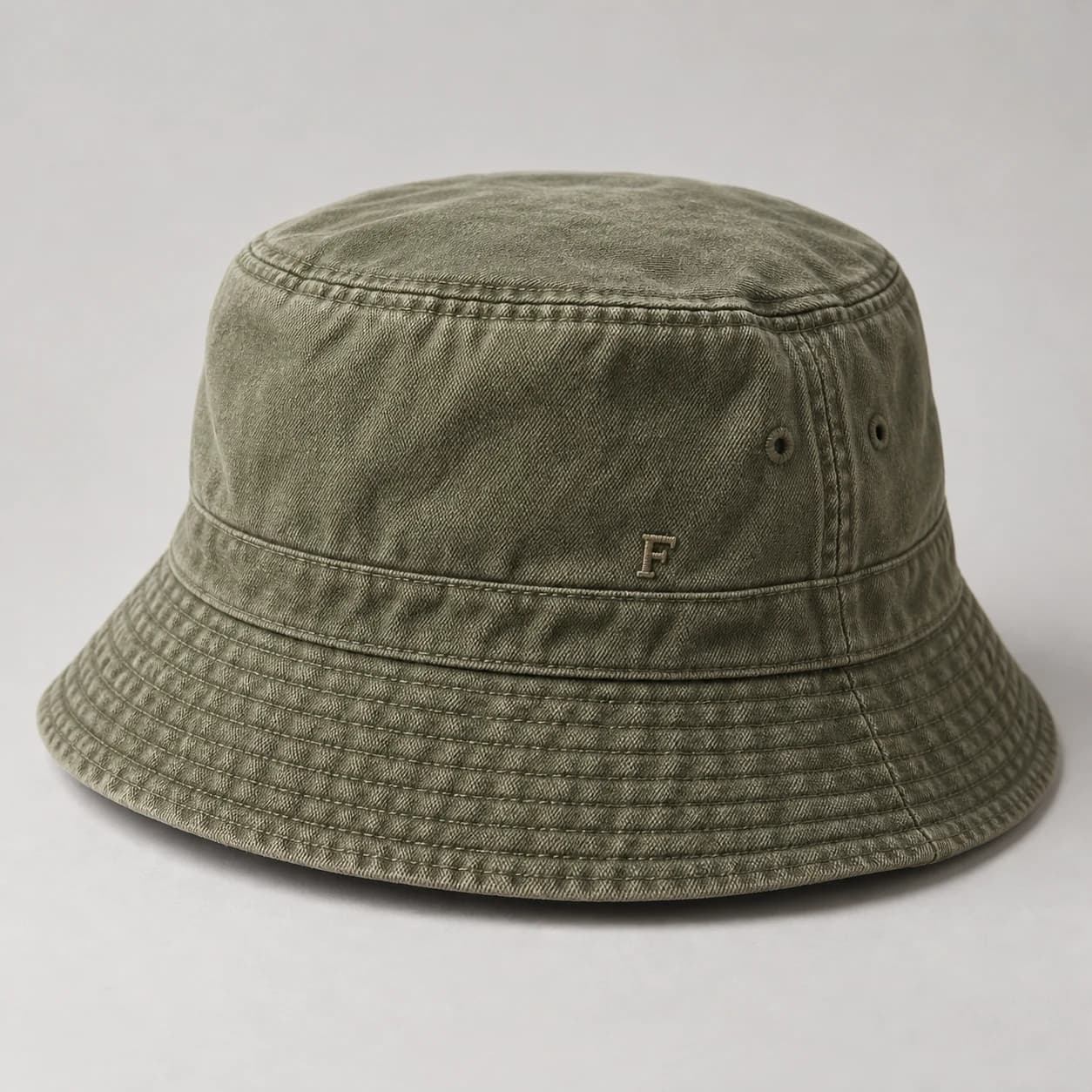
Develop washed bucket hats for bulk orders with a finished-size breakdown, worn brim reference and agreed wash appearance.
Soft crown / sloping brim
Washed cotton direction
Source custom bucket hats for your collection. Agree finished sizes, crown depth and brim drape on the sample before bulk production. MOQ: 300 pieces per style, per color.
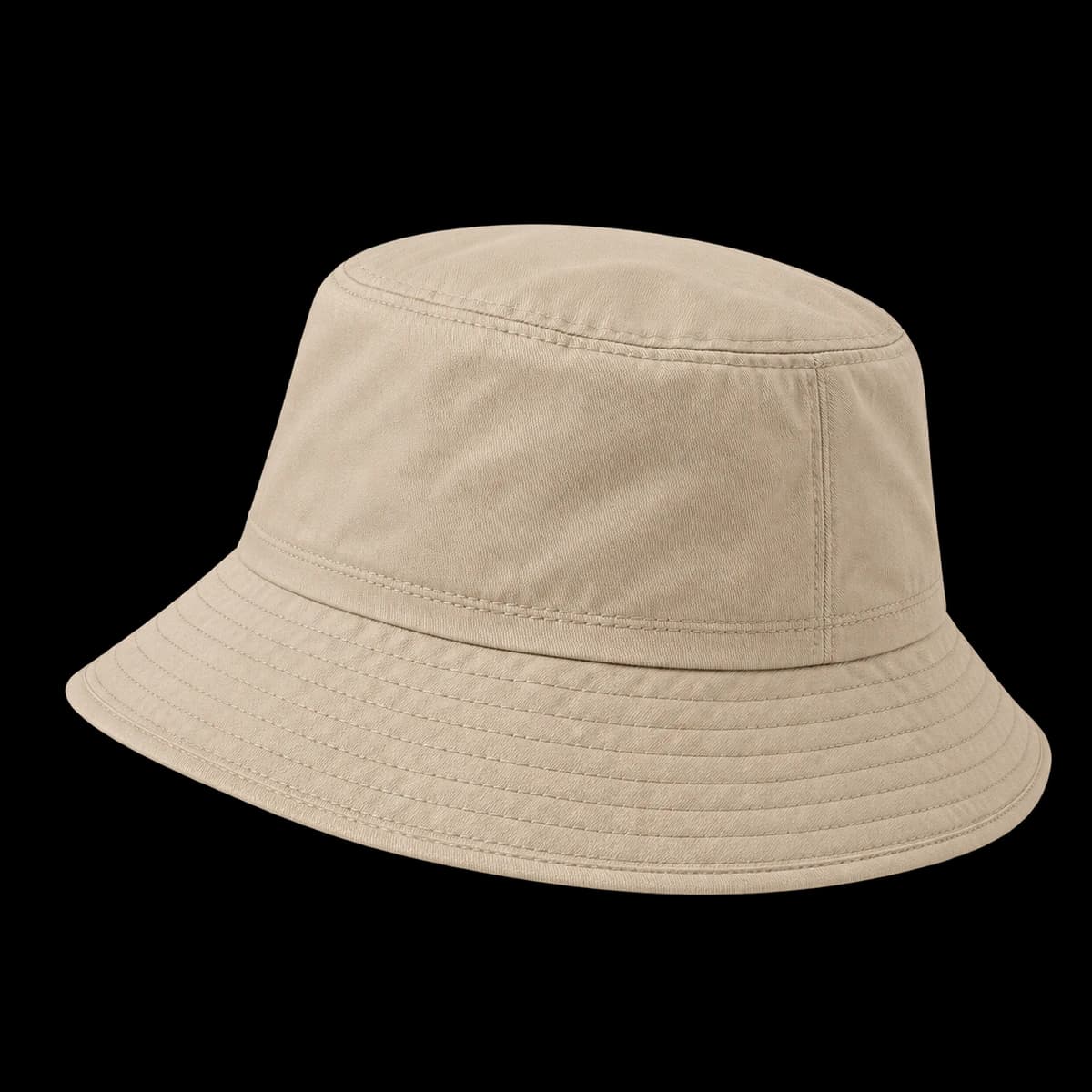 Soft fallClear outline
A washed direction starts with a relaxed brim. Record the shape when worn, not only laid flat.
Discuss this direction ↗Move between washed, canvas, reversible and corduroy references. Let the fabric and brim fall guide the choice.
Develop washed bucket hats for bulk orders with a finished-size breakdown, worn brim reference and agreed wash appearance.
Soft crown / sloping brim
Washed cotton direction
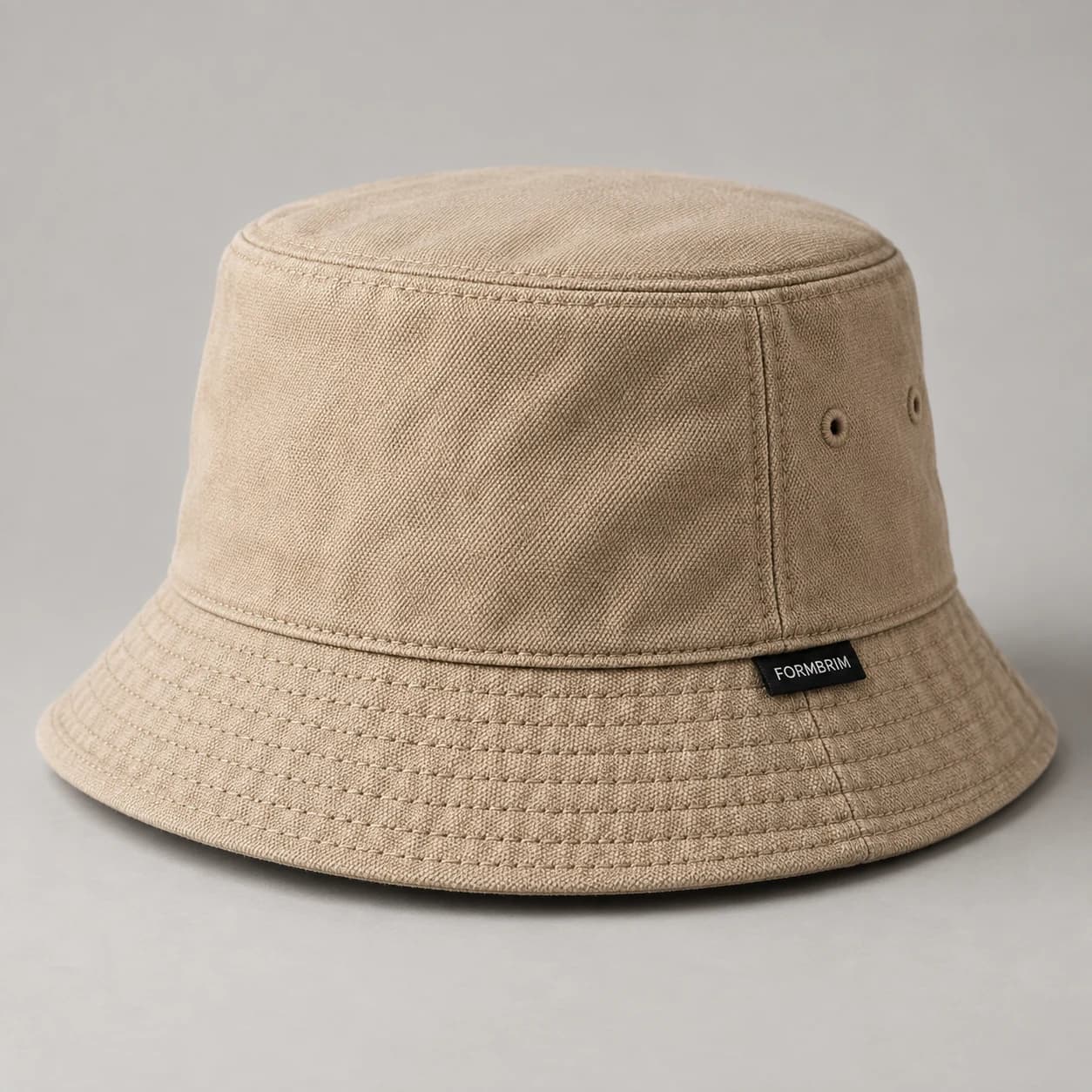
Specify OEM canvas bucket hats by choosing fabric hand, brim structure and stitching together before agreeing label placement.
Defined crown / stitched brim
Canvas direction
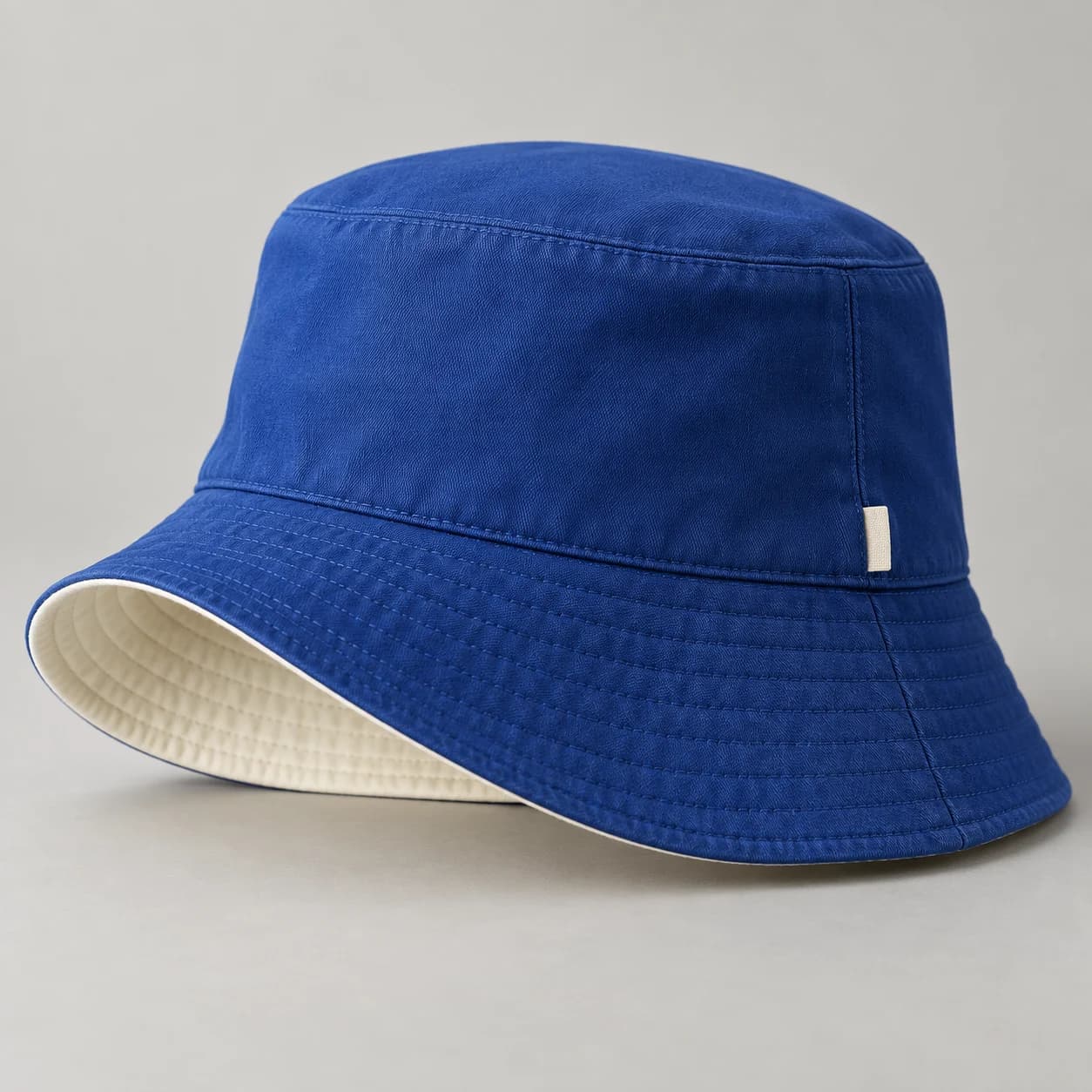
Source custom reversible bucket hats for bulk OEM/ODM orders. Review paired fabrics, artwork and labels on both sides. MOQ: 300 per style and color.
Dual-face crown / all-around brim
Two-fabric reversible direction
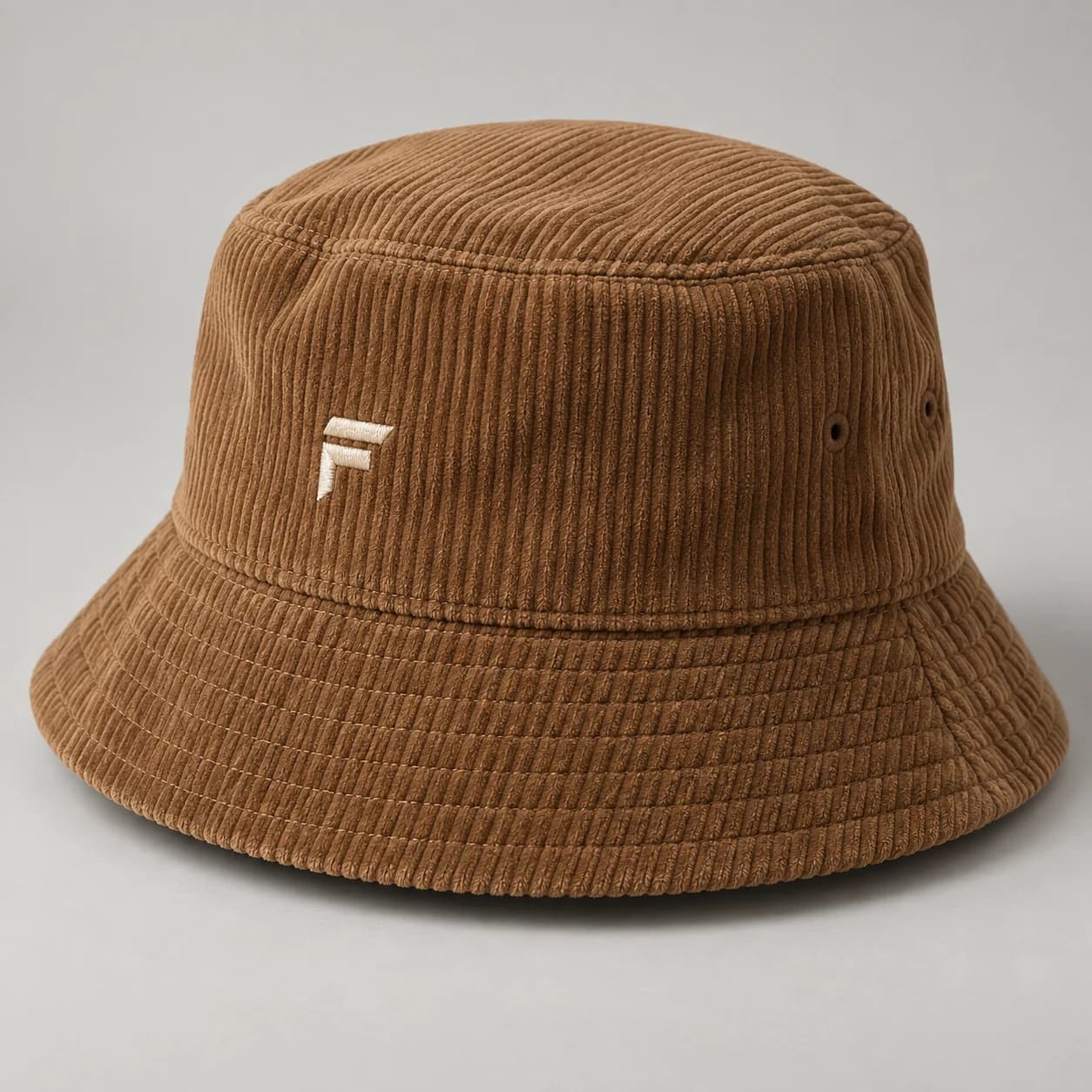
Source corduroy bucket hats in bulk with rib direction, brim bulk and label proportions checked on the assembled sample.
Textured crown / soft brim
Corduroy direction
| Decision | Washed bucket hat | Canvas bucket hat | Reversible bucket hat | Corduroy bucket hat |
|---|---|---|---|---|
| Material | Washed cotton direction | Canvas direction | Two-fabric reversible direction | Corduroy direction |
| Silhouette | Soft crown / sloping brim | Defined crown / stitched brim | Dual-face crown / all-around brim | Textured crown / soft brim |
| Branding | Small front embroidery | Woven label or embroidery | Side-specific small marks | Small embroidered mark |
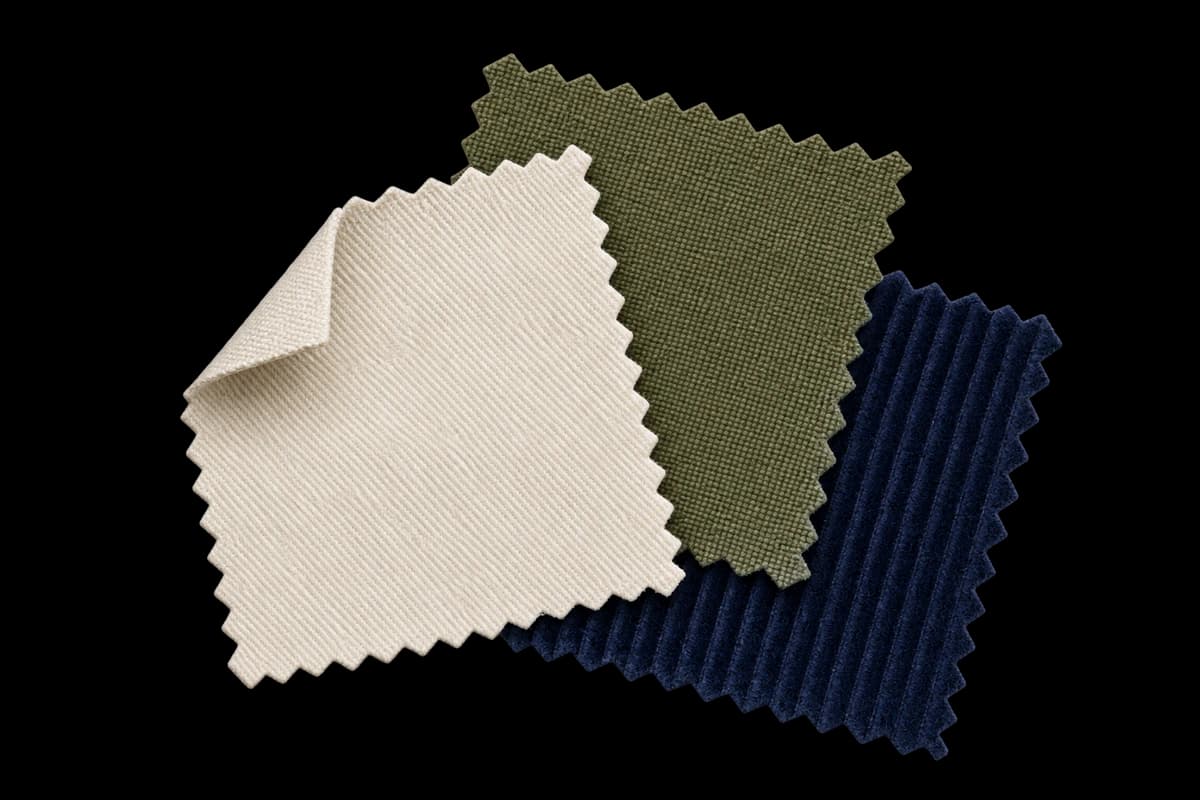
Washed cotton can support a relaxed direction; canvas and corduroy create different visual weight. Confirm thickness, hand feel and brim fall on the physical sample, especially for reversible constructions.


Bucket-hat development centers on the relationship between crown and all-round brim. Our team supports OEM/ODM sampling, construction and custom branding around the silhouette your label needs.
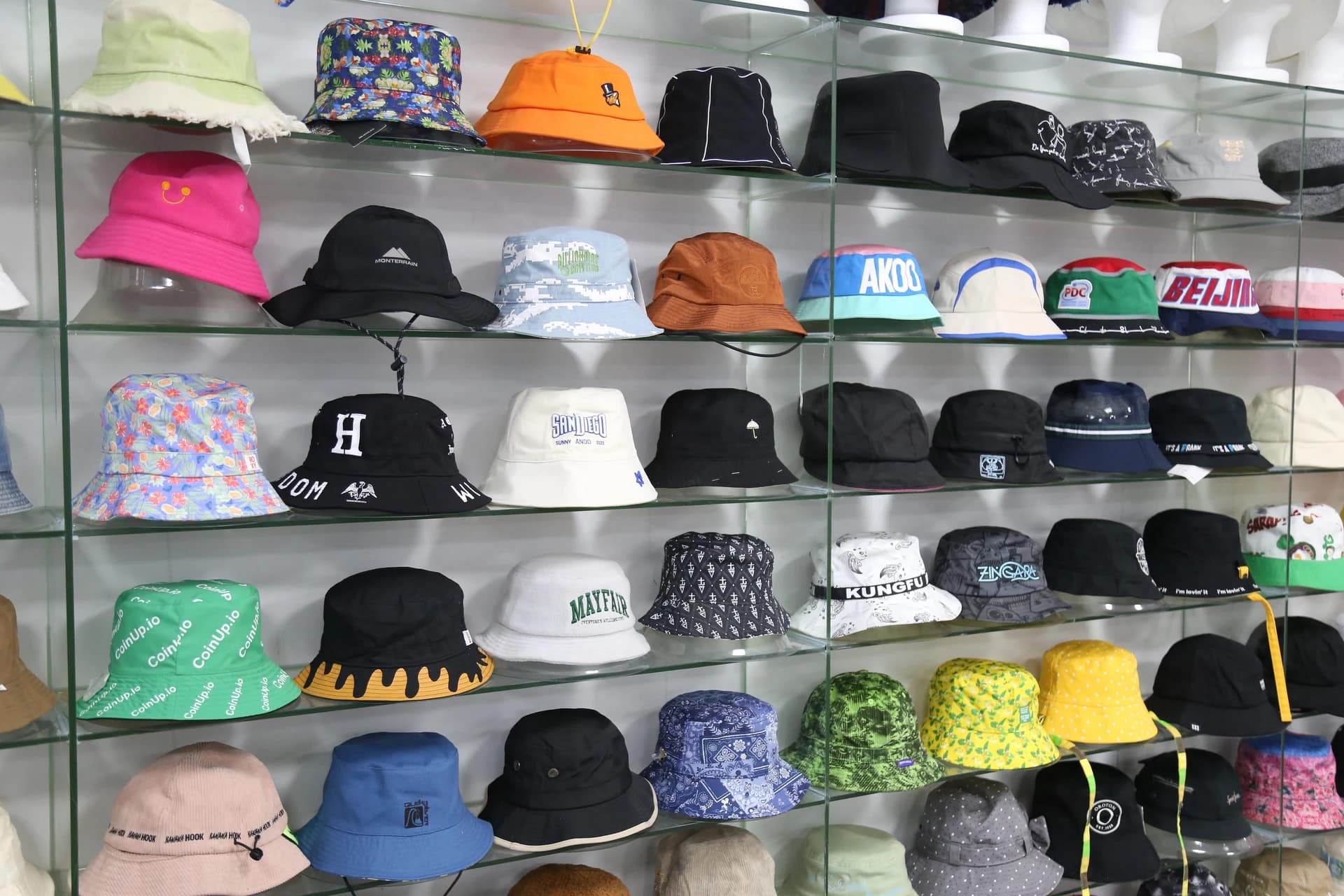
Connect circumference, crown depth and the circular brim, including both visible surfaces when the design is reversible.
Bring a reference for crown height, circumference and brim width. Review how those dimensions work together when worn.
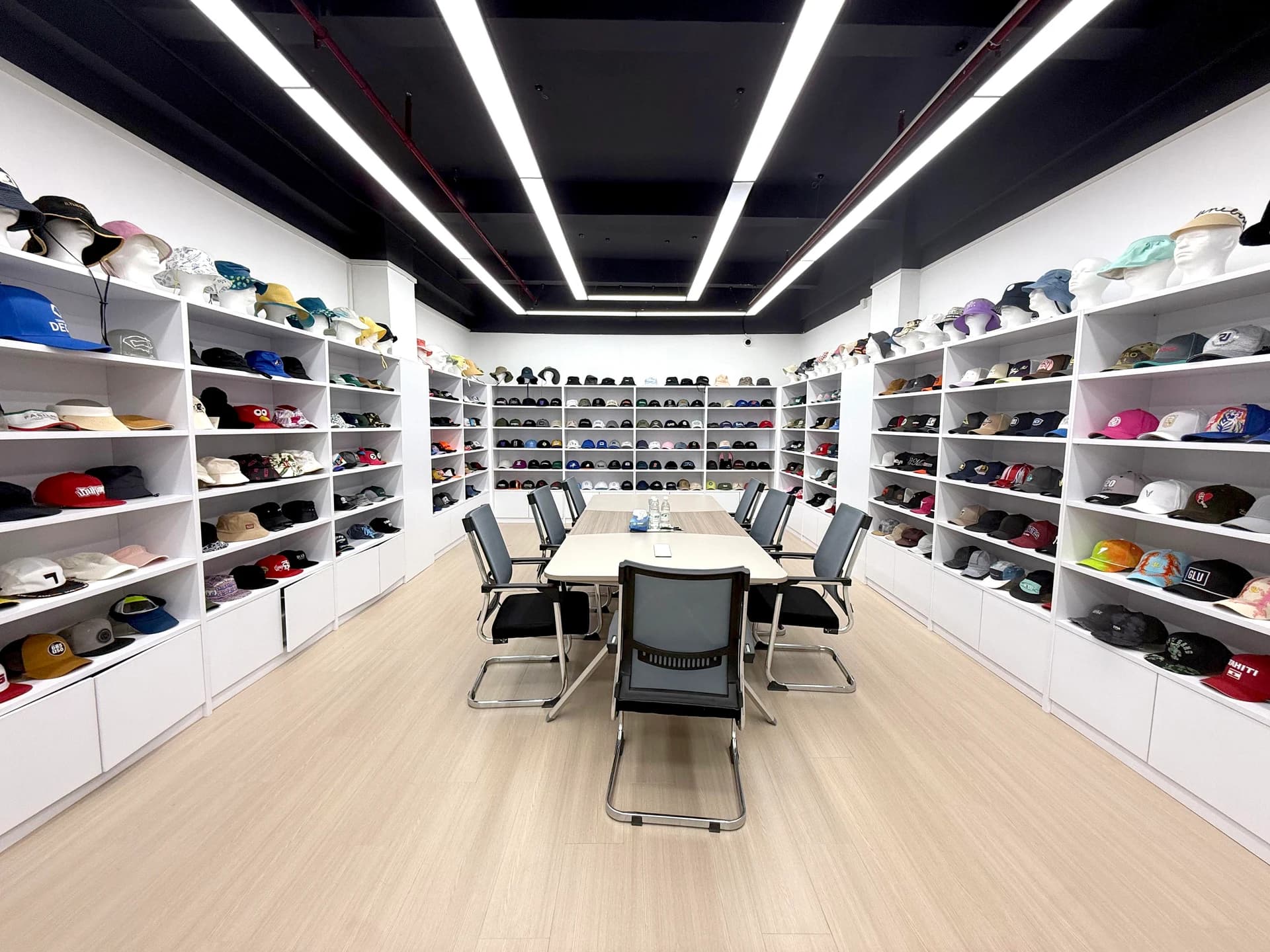
Supply a worn reference and identify the crown height, circumference and brim width you want to retain. Agree the measuring method; a flat hat photograph cannot establish all three.
For a new direction, describe how the brim should fall and whether either side is intended to be worn outward. Evaluate the material combination and label location on the turned sample.
The bucket-hat inspection discussion should include brim edge consistency, circular seam appearance, label position and the agreed size reference. Reversible designs need both sides included.

Place branding where it remains legible as the brim falls. For reversible hats, identify which labels may be visible on each side and how hangtags should be attached without implying a permanent outside.
Your buying brief / Bucket hats
Capture the brim, size approach and visible surfaces together. They determine how the finished bucket hat will be reviewed.
Specify the silhouette with the hat worn, then review the underside and edge. Brim width, downward angle and fabric stiffness describe different decisions; changing only one can alter the entire outline.
Is your priority a defined brim edge or a softer downward fall?Three decisions to bring into sampling
Two bucket hats can have similar brim widths but sit very differently. Show the brim angle and crown height you want, alongside any existing dimensions.
Bring: a side-profile reference, not only a front image.Describe whether you want a soft, relaxed shape or a more defined outline. Reference the material hand as well as its color; discuss the construction needed at sampling.
Bring: a fabric preference and a reference for drape.For reversible designs, specify the artwork, seam appearance and label position for both sides. For a single-sided hat, describe the intended lining and inside finish.
Bring: an outside/inside or side-A/side-B specification.From reference to enquiry
Select the information you have ready. Your selection travels with you to the project form; missing details can be discussed together.
0 / 4 items ready
Take my checklist to the project formPractical buying answers
Treat each side as a visible design: identify fabric, color, artwork and label placement for side A and side B. Include how you expect the brim and seams to look when the hat is turned.
A photograph helps communicate shape but does not establish circumference or measurement points. Include your intended size requirements and confirm the measuring method with the sample.
Do not rely on the fabric name alone. Describe how you expect the hat to fold and recover, then review the assembled sample against that requirement. Performance claims need to be confirmed for the finished construction.
Describe the design you are considering and the changes you would like to make. We can discuss material, branding and the sample brief together.
 FORMBRIMBucketOEM / ODM
Bring your shape, artwork and quantities together.
Prefer a direct conversation?
WhatsApp +86 181 2050 6050 ↗[email protected]