
Design reference
Canvas camp cap ↗
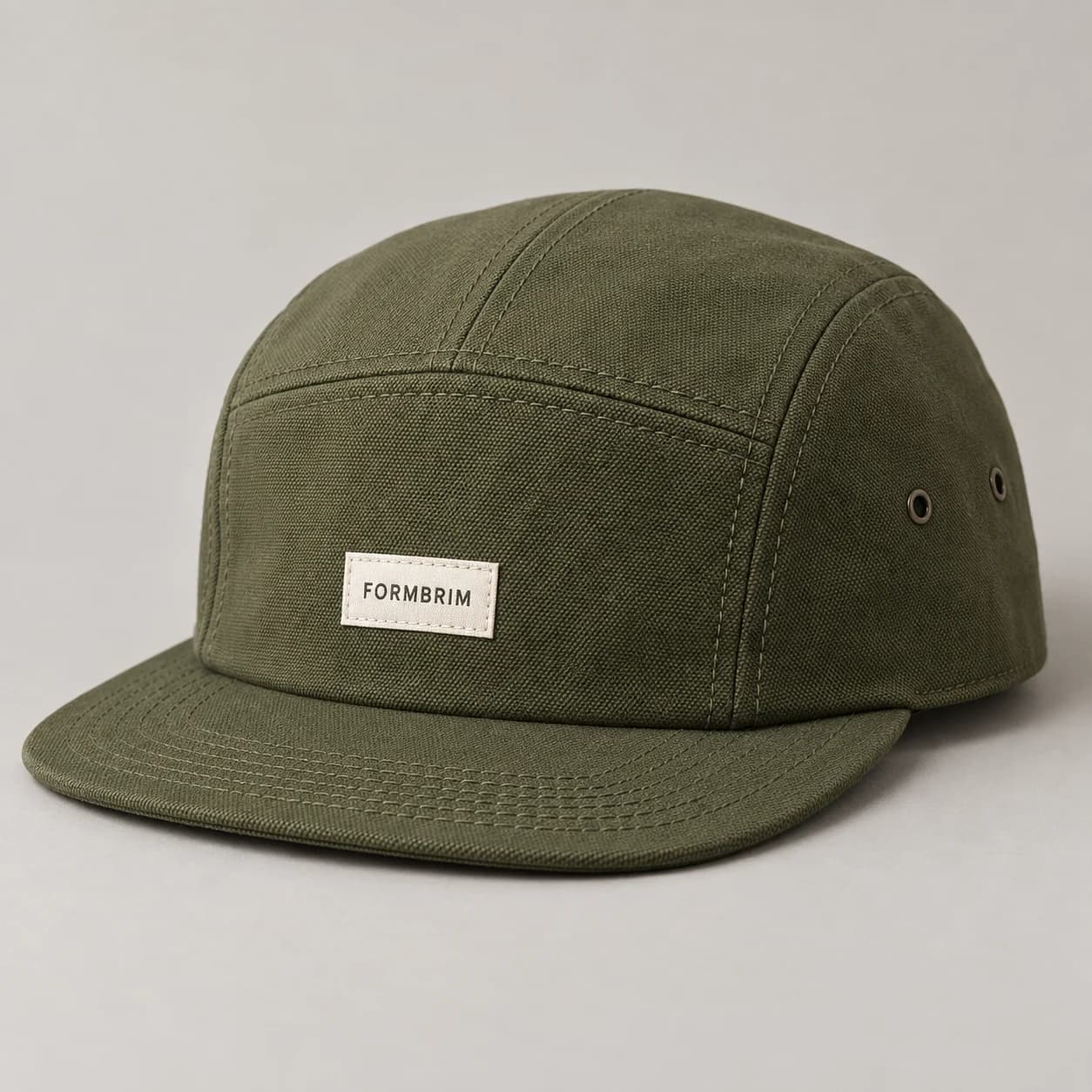
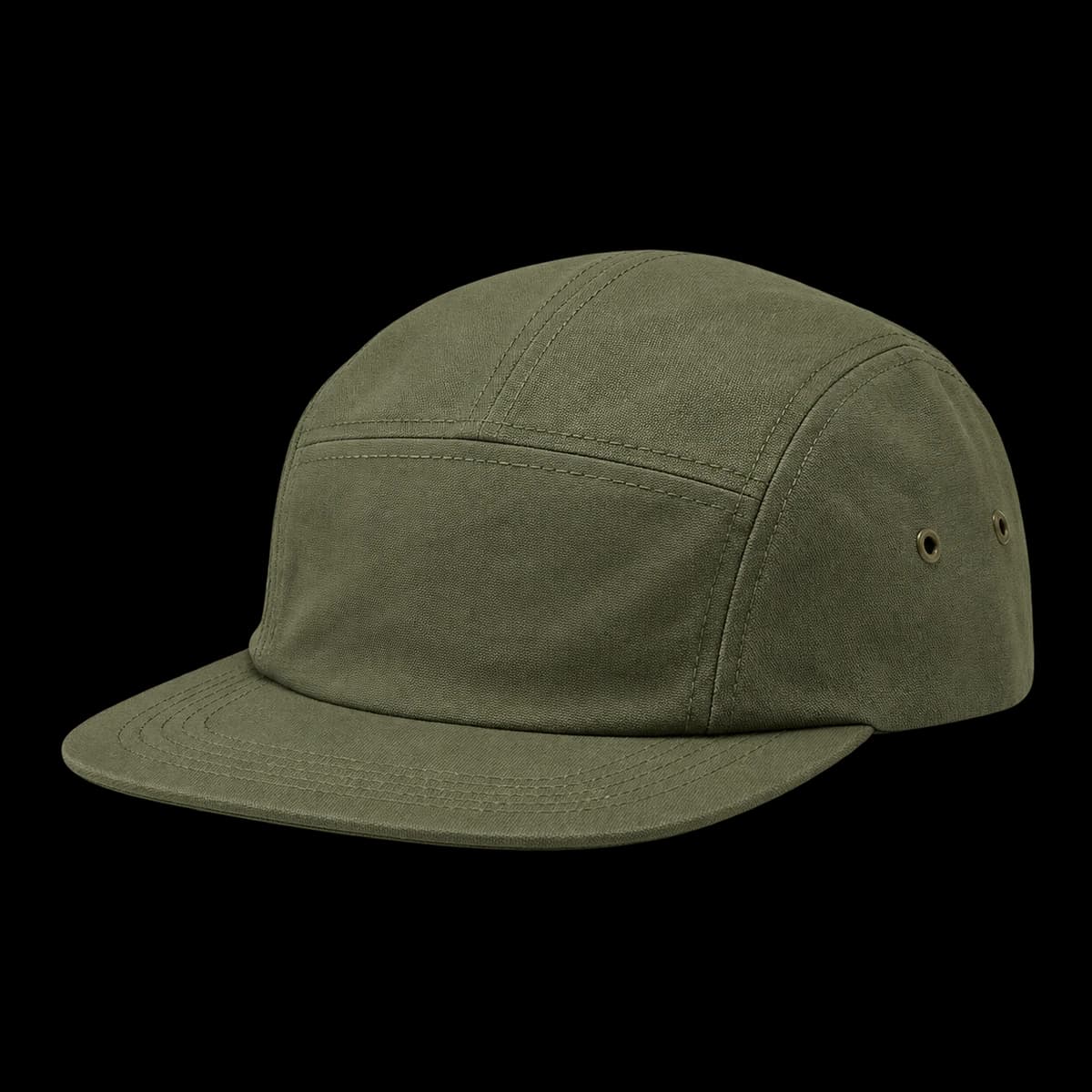
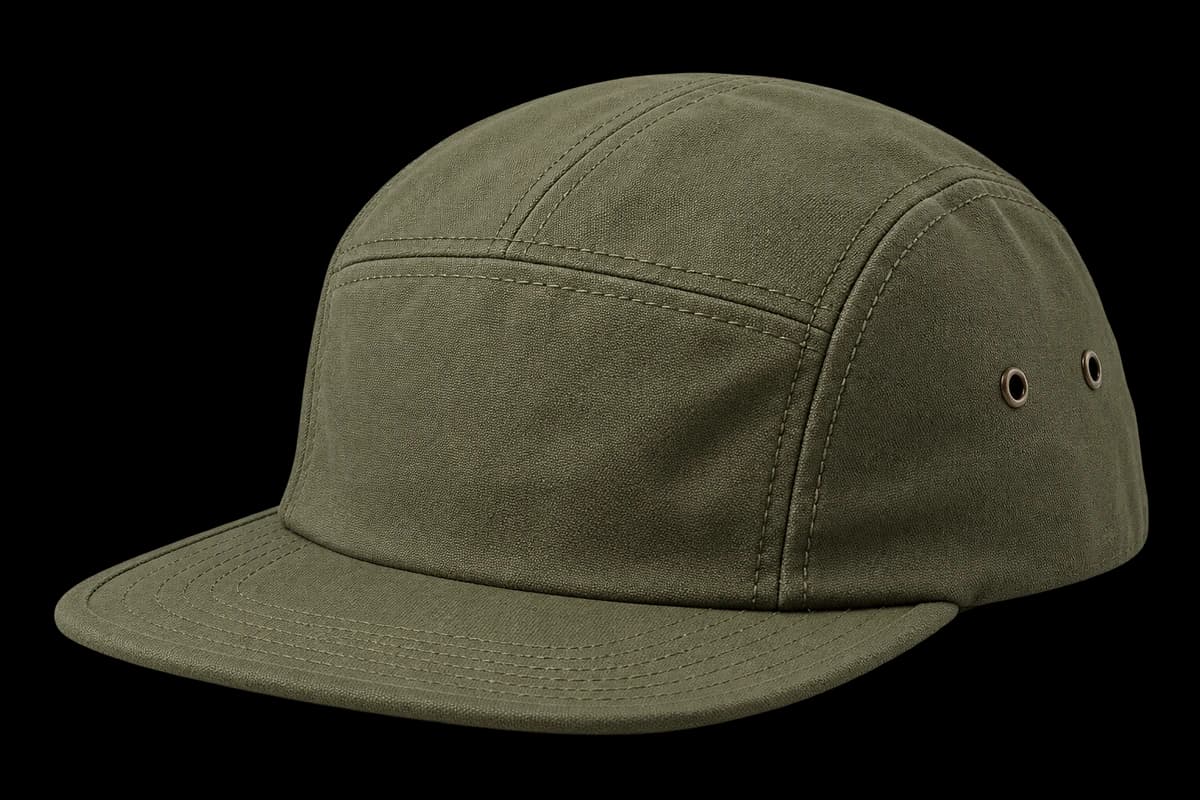
Develop private label canvas camp caps from a five-panel drawing, a worn profile and a measured front label reference.
Camp profile / flat brim
Canvas direction
Specify OEM five-panel caps with a panel map, fabric direction and logo dimensions. Compare camp-cap constructions before sampling; MOQ 300 pieces per style, per color.
Set the artwork scale and its distance from the brim seam. Confirm readability on the chosen fabric.
Discuss this direction ↗Compare material direction and panel proportions, then open a design to build a more specific development brief.
Develop private label canvas camp caps from a five-panel drawing, a worn profile and a measured front label reference.
Camp profile / flat brim
Canvas direction
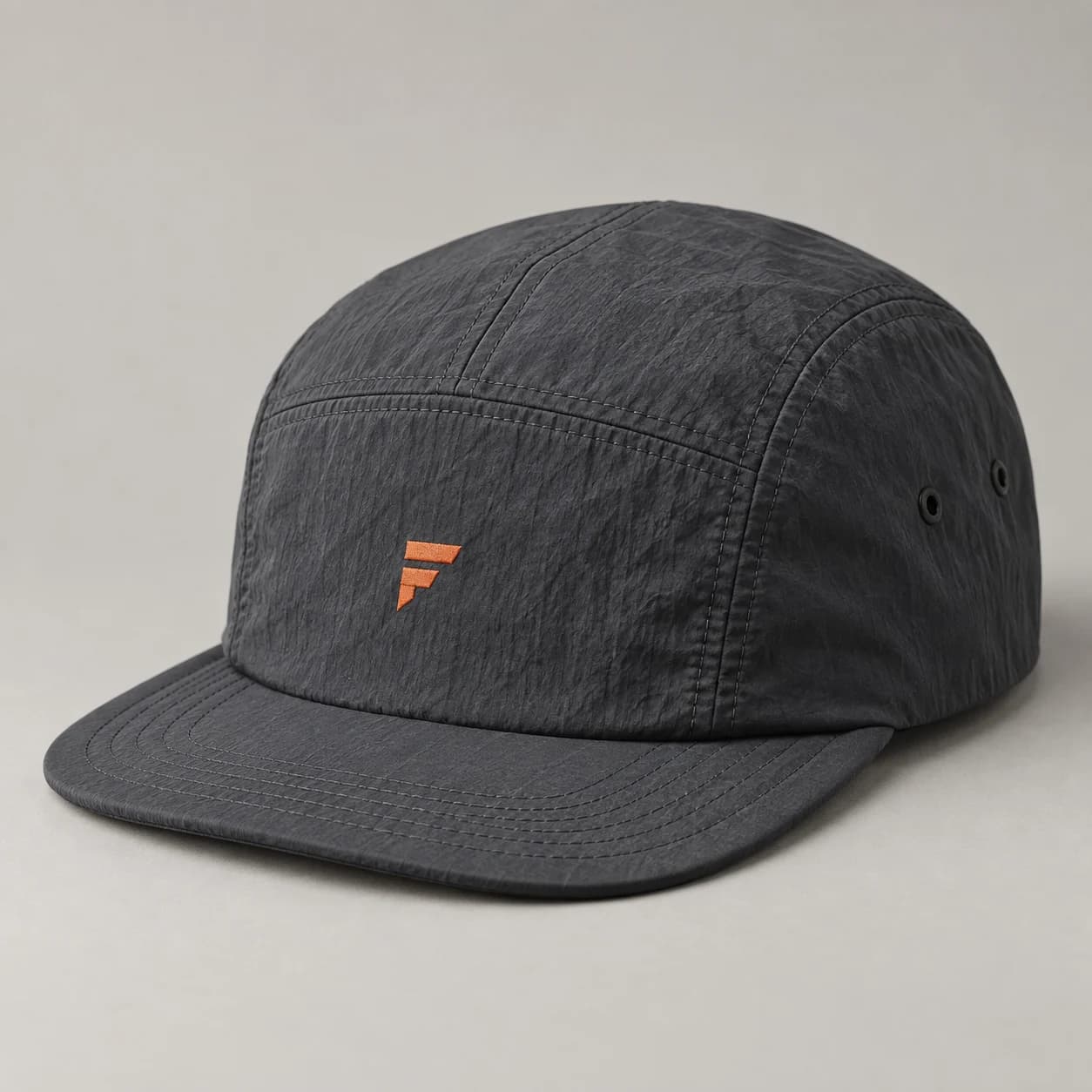
Specify OEM nylon five-panel caps through fabric-finish and decoration samples; discuss any functional requirement separately from appearance.
Low camp profile / compact brim
Nylon direction; properties to confirm

Plan color-block five-panel caps in bulk with a panel map and quantity for each complete combination rather than each fabric color.
Panel-led camp profile
Multi-color woven fabric direction
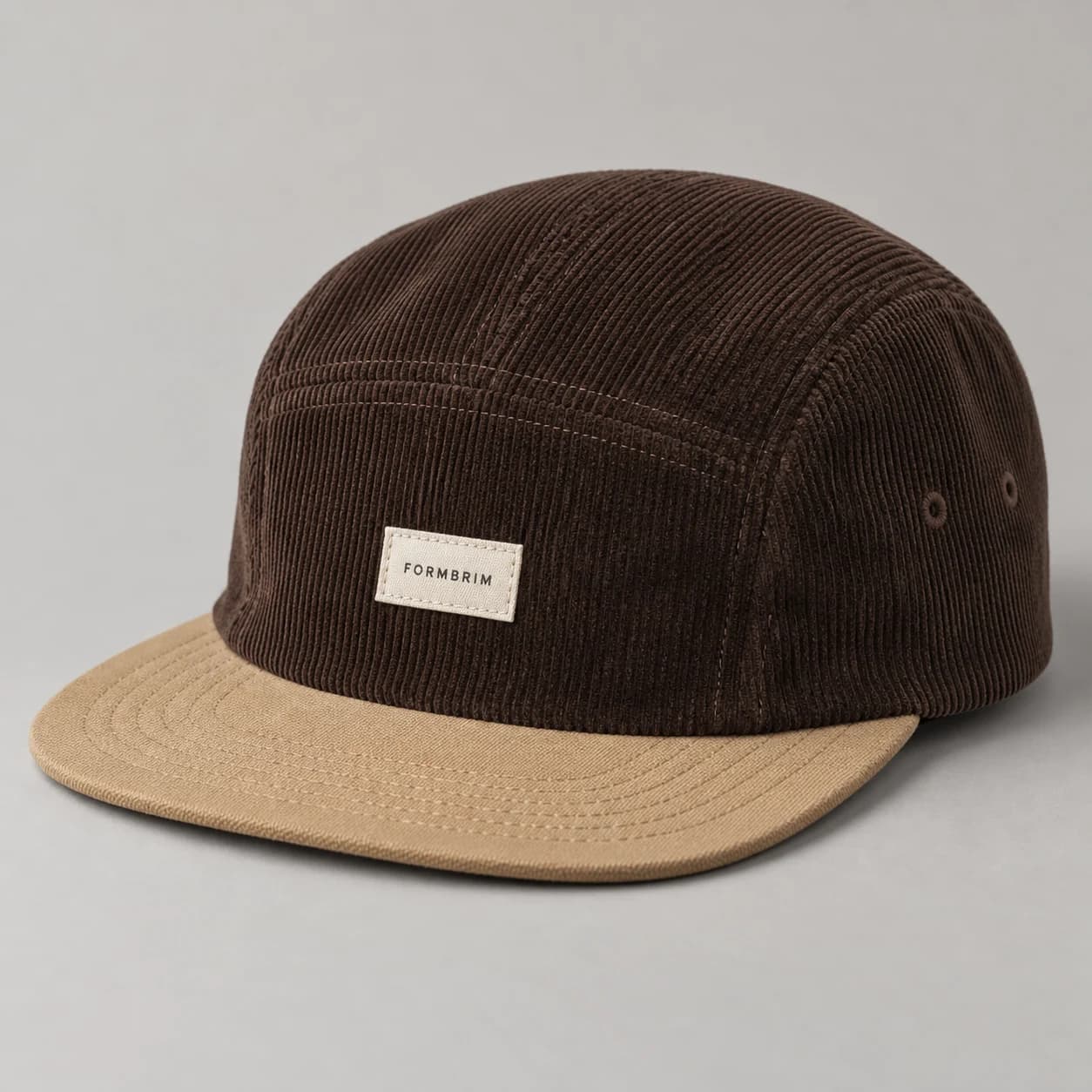
Develop private label corduroy camp caps with a broad-front profile, consistent rib direction and a closure suited to the fabric thickness.
Soft camp crown / flat brim
Corduroy direction
| Decision | Canvas camp cap | Nylon camp cap | Color-block camp cap | Corduroy camp cap |
|---|---|---|---|---|
| Material | Canvas direction | Nylon direction; properties to confirm | Multi-color woven fabric direction | Corduroy direction |
| Silhouette | Camp profile / flat brim | Low camp profile / compact brim | Panel-led camp profile | Soft camp crown / flat brim |
| Branding | Rectangular woven label | Simple label or print to discuss | Single-color front mark | Compact woven label |
A single front surface makes artwork scale a visible design decision. Panel colors and material direction can reinforce that graphic or keep the rest of the cap quiet. Specify the complete arrangement in one brief.


A five-panel cap gives the front graphic a continuous surface. We develop its top and side proportions, visor and closure together, with OEM or ODM support from your starting reference.
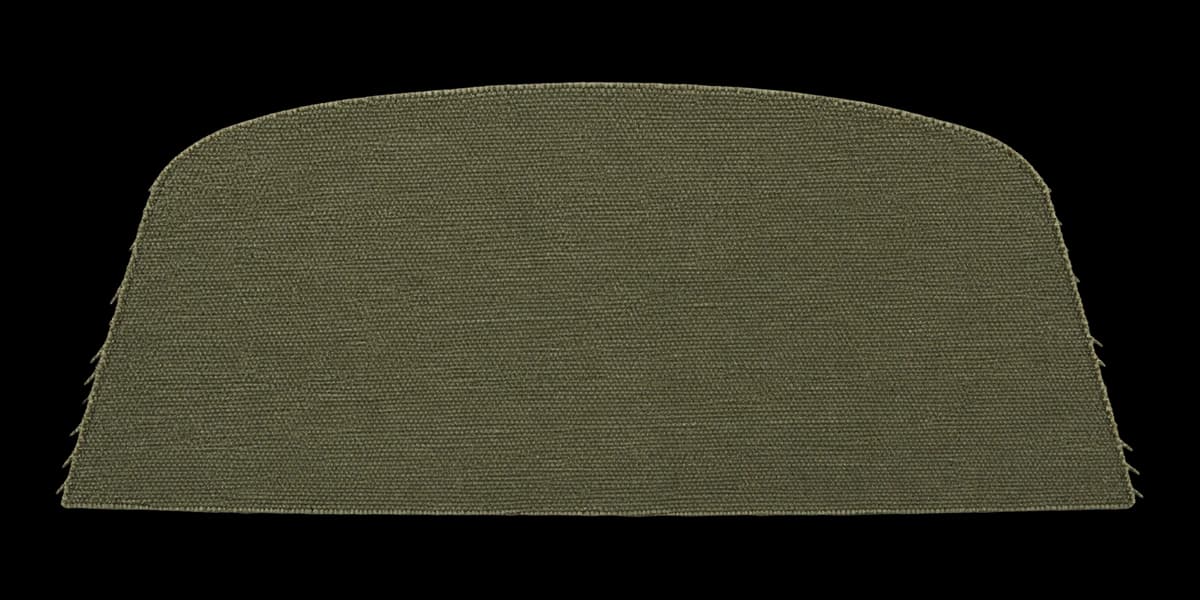
Follow the named panels through material assignment, seam assembly and front graphic placement; judge the final crown as one shape.
Define front height, top length and side shape as a complete silhouette. Use the sample to discuss the fit instead of relying on a flat outline.
An OEM reference should show the front height and the way the upper and side panels meet. Identify the current revision so an older drawing does not override the agreed fit.
For a new concept, name material and color for each panel. Compare the graphic on the assembled front, where the seam and visor junction change the usable visual space.
Agree inspection points for panel symmetry, seam alignment, visor attachment and closure placement. Include any intentional color blocking or corduroy direction in the written reference.
The continuous front surface gives the graphic room, but the rest of the cap still needs a complete identity. Name side marks, rear details and inside labels without treating them as copies of the front artwork.
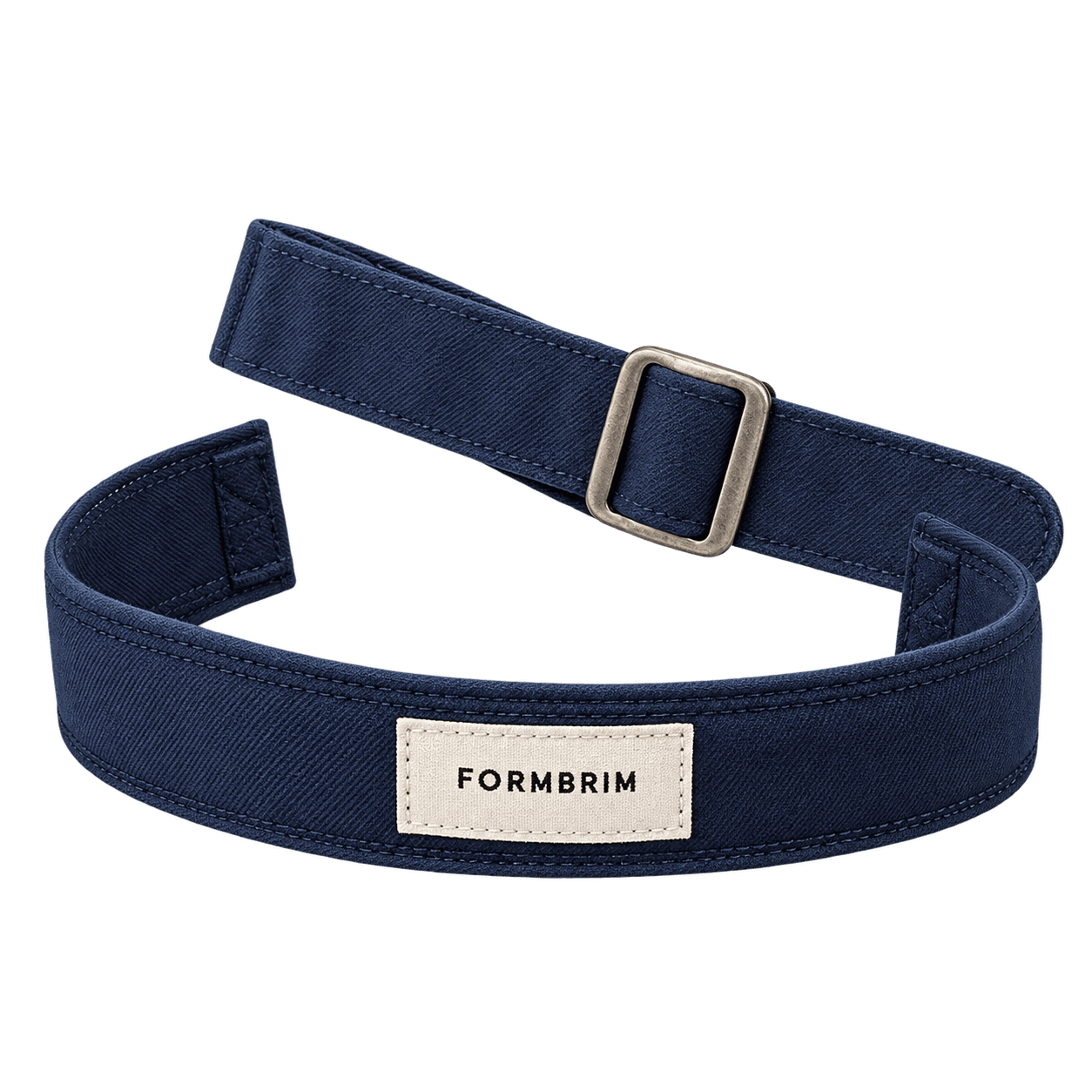
Your buying brief / 5-panel caps
Use named panels and clear reference views so color blocking and graphic placement survive the move from concept to sample.
Assign material and color to each named panel before developing the sample. Keep the intended graphic clear of the seam allowance and review its position after the front joins the sides and visor.
Which panels share one fabric, and which deliberately change?Three decisions to bring into sampling
Five panels do not define one universal fit. Compare the height of the front, the length of the top panel and the way the sides sit in your reference.
Bring: front and side views with your preferred proportions.Assign a fabric and color to the front, top, sides and brim. Identify matching panels explicitly so a color-block concept is not interpreted as an all-over colorway.
Bring: a panel-by-panel material and color map.Specify the finished artwork size and its relationship to the seams and brim. Review the mark on the assembled sample, where the surface differs from a flat artwork file.
Bring: artwork dimensions and a placement reference.From reference to enquiry
Select the information you have ready. Your selection travels with you to the project form; missing details can be discussed together.
0 / 4 items ready
Take my checklist to the project formPractical buying answers
No. Panel arrangement, crown depth and brim proportions vary. A front and side reference communicates more than the five-panel name alone. Mark the features you want to retain before the sample is developed.
Yes. We support OEM development from your specification. Include its revision date, measurements, material assignments, artwork and trim details; identify any areas you want to change so an older reference does not override the current brief.
Identify each fabric on a panel map and explain the intended overall shape. Review the junctions and assembled fit in sampling, because different material weights and textures can affect how the panels sit together.
Describe the design you are considering and the changes you would like to make. We can discuss material, branding and the sample brief together.
 FORMBRIMFive-panelOEM / ODM
Bring your shape, artwork and quantities together.
Prefer a direct conversation?
WhatsApp +86 181 2050 6050 ↗[email protected]