

Give the trim card one comparison to control
A garment trim card keeps identified physical components available for comparison when bulk materials arrive. For an adjustable cap, a buckle can match the approved finish while its opening fits the strap differently. Keep the approved buckle and its mating strap together so receiving staff can compare both appearance and fit before sending a lot to sewing.
The bill of materials, or BOM, identifies which buckle and strap the order uses. The trim card holds the actual components that represent the approval. The signed sewn sample shows how those components sit on the cap, including the rear opening and attachment. J.Crew’s woven and knit supplier manual lists a trim card separately from sewn pre-production samples and an inspection report. Agree which records control the comparison for your own order.
Retain the buckle and strap as a working pair
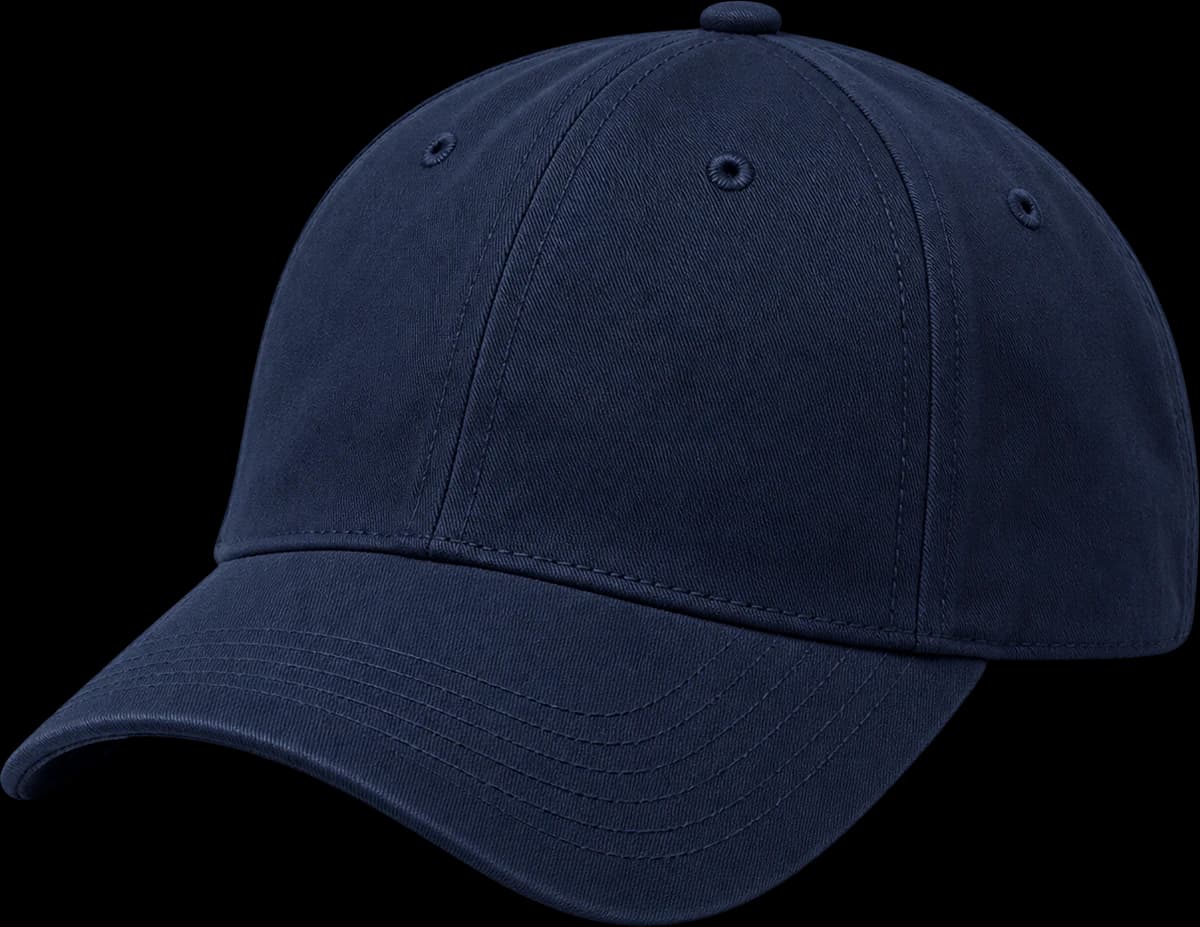
Consider C01, an illustrative washed-navy adjustable six-panel cap. Its approved hardware reference B01 is a matte brushed-silver slide buckle with a single slot. W01 is the woven navy strap with the approved finished tip. Mount the buckle so the slot mouth and the edges that touch the strap stay visible. Keep the strap tip available for the agreed fit check and retain a clear rear view of the signed cap beside the card record.
Mark the card with the C01 style and colorway, card revision, governing BOM revision, component references and the sample that established the approval. Note that the card controls the finish comparison and the fit between these two parts. A photo helps someone locate the right card, especially if the buyer and receiving team keep separate copies. Use the physical pair for the actual comparison because lighting and camera angle can change how the finish and opening appear.
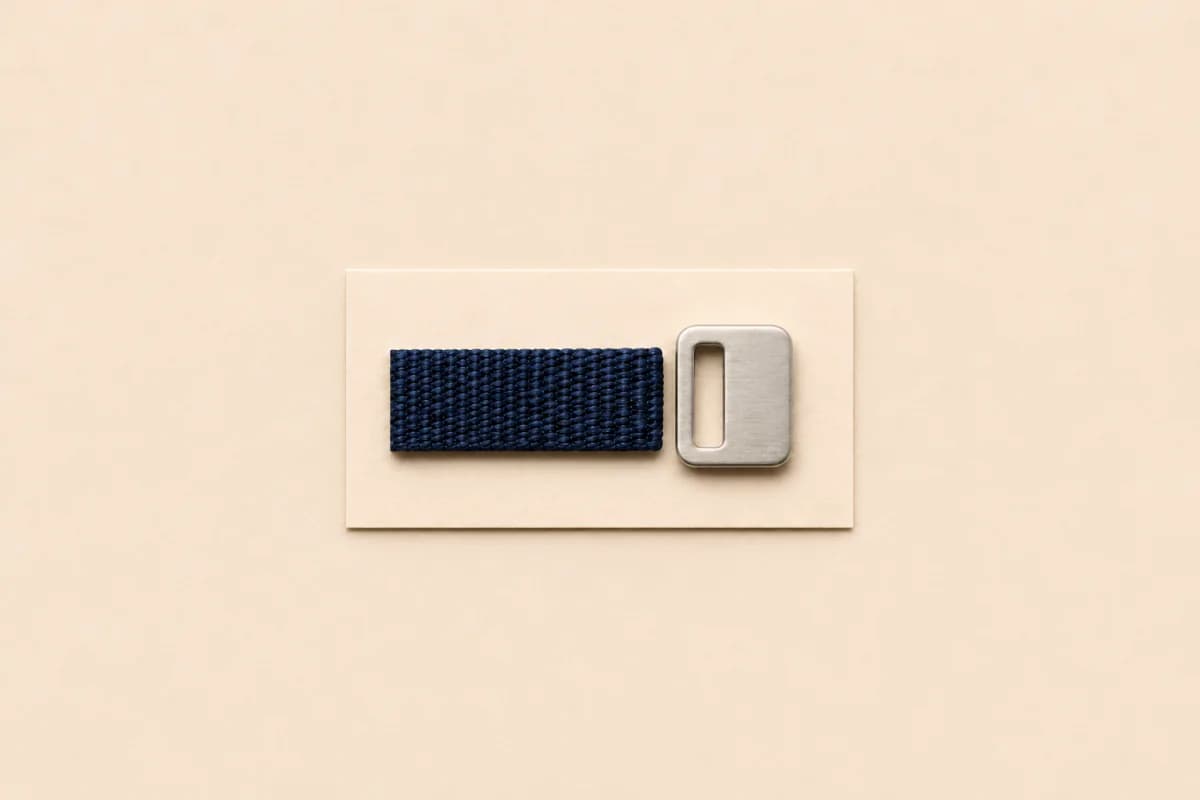
- Record the B01 and W01 references and approved revision.
- Keep the buckle slot and strap end accessible.
- Retain a cap that shows the approved fit in the assembly.
Connect the receipt to the material on the bench
Start with the purchase order line and delivery documents. Record the supplier’s article number and the lot on each incoming package. If cartons carry different lot marks, keep the lots separate through the comparison. Ask receiving staff to identify which lot each selected buckle represents and to confirm the review scope with the buyer or quality lead before issuing material.
Compare the visible surface with B01 in the agreed light. Then use the same retained W01 tip to check whether it enters the opening along the agreed path. Changing to a thinner strap halfway through would give the reviewer a different pairing to judge. Record the surface observation and the fit observation separately, with close views of any difference. Vrishahi’s sourcing QA manual illustrates how one buying organization compares received trims with approved standards before sign-off.
Example of a finish match with one lot on hold
Two deliveries marked Lot A and Lot B both cite the approved buckle article. The selected pieces from both lots look like B01 in finish. The W01 tip feeds through the Lot A piece in the agreed manual check. At the mouth of the Lot B piece, the same tip stops. Side by side, the Lot B opening appears narrower than the retained buckle. Record what the team saw and ask the supplier to verify the cause against its own lot and component records.
In this example the authorized reviewer accepts Lot A for issue within the agreed receiving scope and holds Lot B. Keep the held quantity identifiable and request the supplier’s trace for the affected lot, its verified opening specification and its proposed correction. The card still holds the original B01 and W01. It gives both teams the same comparison when the supplier replies or submits new material.
- Lot A. Record the selected piece, finish comparison, strap entry and authorized issue decision.
- Lot B. Keep the lot on hold, retain the observation and assign the supplier response.
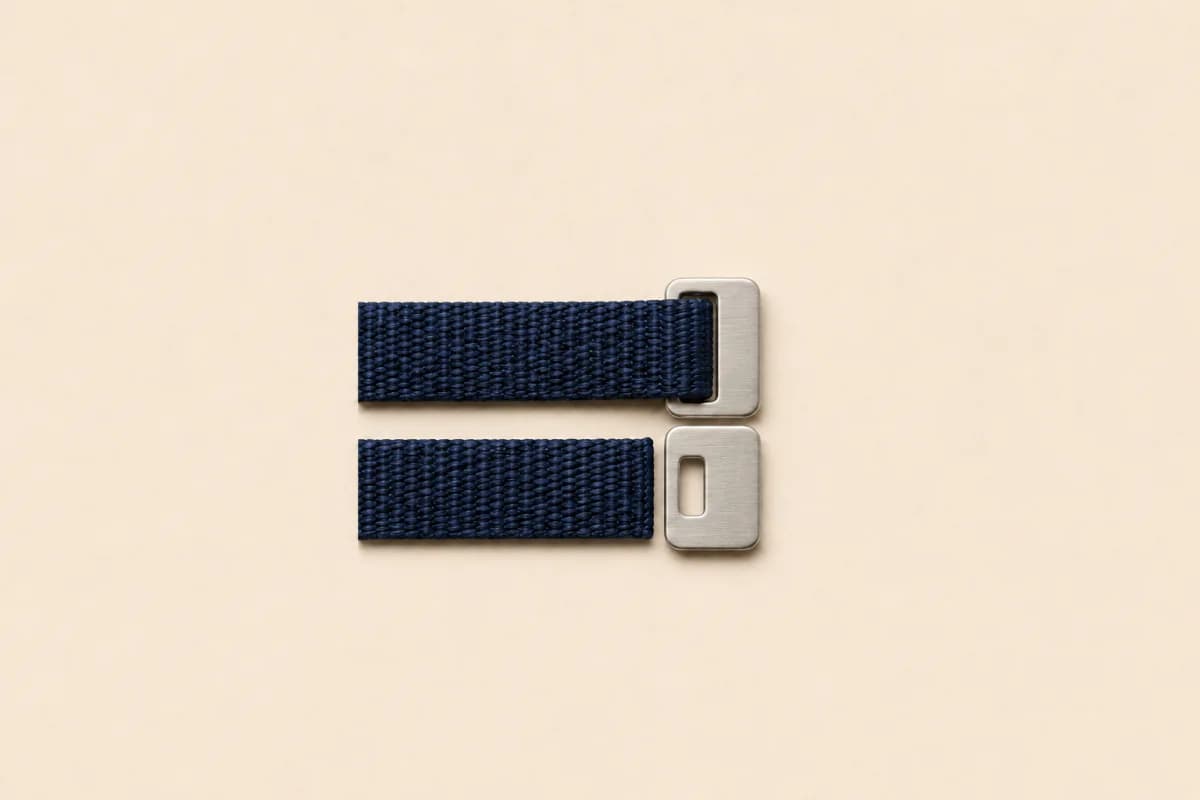
- Compare the finish and fit with the same W01 strap.
- Record the fit issue and hold Lot B separately.
- Ask for the supplier’s lot and revision evidence.
Keep the next review tied to the affected lot
Ask the supplier to connect its response to the incoming markings and identify any other delivery it believes is affected. Request a confirmed part reference and a physical submission if a replacement is proposed. Keep the original receipt record alongside any replacement or recheck so the reviewer can tell what happened to each quantity. Agree who can clear the hold and how receiving will record that decision before the material moves.
If the proposed change affects the strap, its finished tip or the buckle attachment, bring the sewn cap back into the review. The check at receipt covers the stated appearance and mating comparison. An assembled cap review can address rear adjustment and contact points. If the project requires separate strength or finish evidence, agree that scope with the responsible technical party.
If the retained tip becomes frayed or the card is damaged, record the problem before comparing another lot. Ask the approval owner to identify an undamaged duplicate or confirm a replacement reference against the original approval. Keep the replacement card’s revision visible so future receipts can be compared to the right pair.
Send the comparison with the order brief
Bring the current trim card, component record, rear view and affected lot details to the discussion. Mark the approved pair, the observed difference and the person who can authorize issue. If the supplier has offered a correction, show which sample and which incoming lot it covers.
For FORMBRIM OEM/ODM headwear development, share the intended closure and the order quantities with your brief. The bulk minimum is 300 pieces per style, per color. Agree the sample, receiving checks and approval responsibilities for the project.