

Start with the decision the shipment needs
A carton drop test examines how a loaded package responds to drop impact under a defined method. For structured caps, a buyer may need to know both whether the carton stays closed and whether the front crown and brim keep their agreed appearance after unpacking. Start with the proposed pack and ask the customer or test provider which assessment addresses the shipment requirement.
A visual packing trial lets the team review how caps nest, where supports touch the product and what the caps look like after ordinary unpacking. A qualified drop test addresses the specimen and impact conditions in its agreed scope. ISTA describes screening and distribution simulation as different kinds of assessment. Give the technical party the intended route and handling context so it can advise what evidence is appropriate.
Identify the two packed configurations
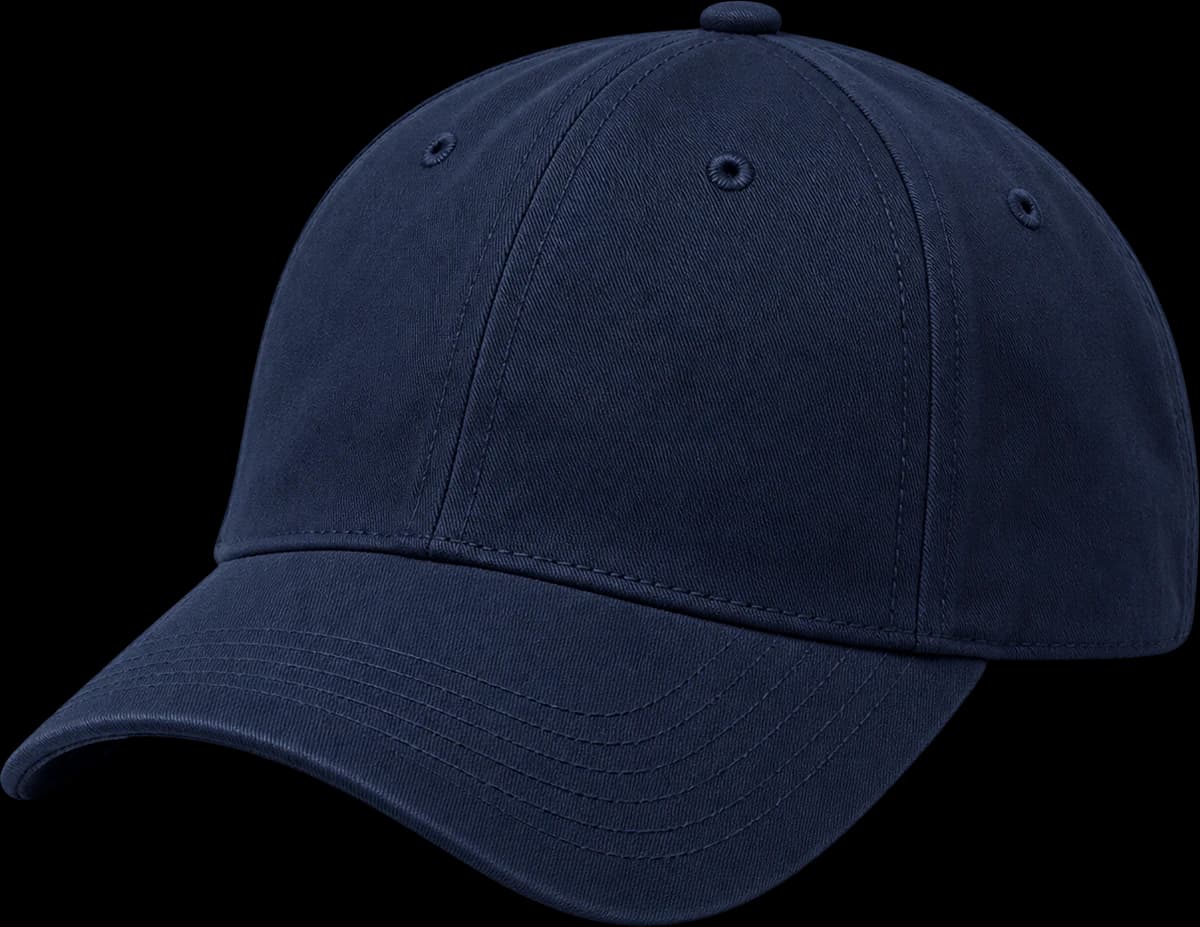
Consider S01, an illustrative navy structured six-panel cap with a curved brim. The order plan uses a full carton called F01 and a partial carton called P01. F01 has the intended full nested arrangement. P01 holds fewer of the same caps and uses a different support arrangement to account for the space around the smaller stack. The same hat can therefore meet a different surface or move differently within each carton.
For each configuration, record the approved S01 sample and pack revision, carton specification and size, packed quantity and gross weight, orientation of the hats, support positions and closing method. Keep an open-box photo showing the actual arrangement and a closed-box photo identifying the specimen. Include the full and partial configurations in the brief so the technical party can say which specimens need to be assessed. If an extra outer box protects the specimen on its way to the lab, identify that box separately from the pack being assessed.
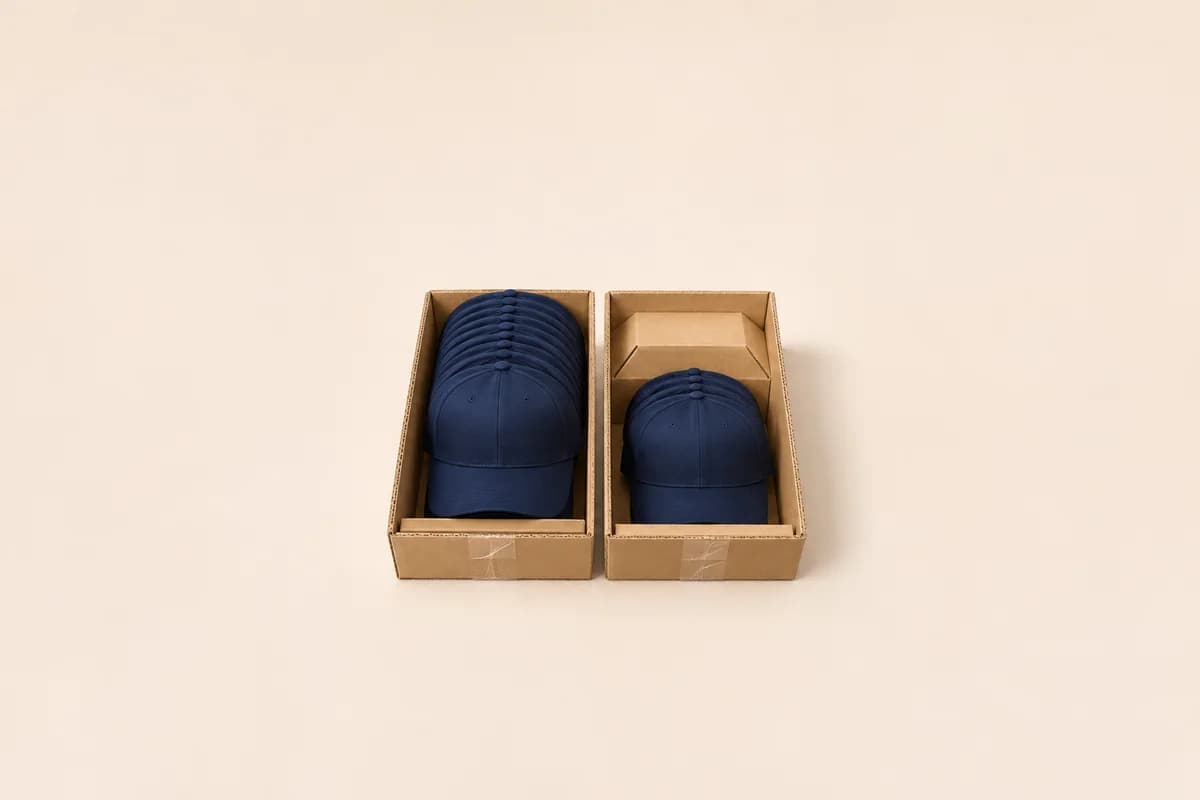
- Record the cap count, nesting and carton reference.
- Identify the support, open space and closure for each pack.
- Ask which configuration the report covers.
Agree what to examine after unpacking
Write separate observation requirements for the outside carton, the supports inside and the caps. For the carton, agree what the report should show about closure, containment and any damage the reviewer needs to see. For the inner arrangement, ask for views of shifted stacks, displaced supports or changed contact points if those observations matter to the proposed pack.
For S01, keep an approved cap and matching front and side reference views. Ask the reviewer to capture the front crown profile, center seam and brim curve from the same views after opening the specimen. Agree how the hats will be unpacked and when their shape will be assessed. If the buyer wants to judge appearance after an agreed recovery period, record that timing in advance so different reports can be read on the same basis.
Example of a closed carton with cap evidence pending
The example report identifies F01 and records that its closure stayed closed. The submission omits the agreed views of the crown and brim after unpacking. Keep the recorded closure observation on the F01 line and mark the cap appearance review pending. Ask whether the original assessment captured usable photographs and when they were taken. If the photographs are unavailable, agree what evidence can address the missing observation and whether another specimen is needed.
P01 remains outside the reported specimen scope. Send its arrangement and support details to the technical owner and ask how the differences affect coverage. The buyer can then record whether P01 needs its own assessment or whether the owner can justify another way to represent it. Keep the two decisions visible in the packing record while awaiting the response.
Use the open-box photographs to point out where the P01 support meets the caps and where there is room for the stack to shift. That comparison gives the reviewer a physical reason to examine P01 even when the carton specification is shared.
- F01 full carton. Closure observation recorded. Crown and brim evidence pending.
- P01 partial carton. Coverage decision pending for its different arrangement and supports.
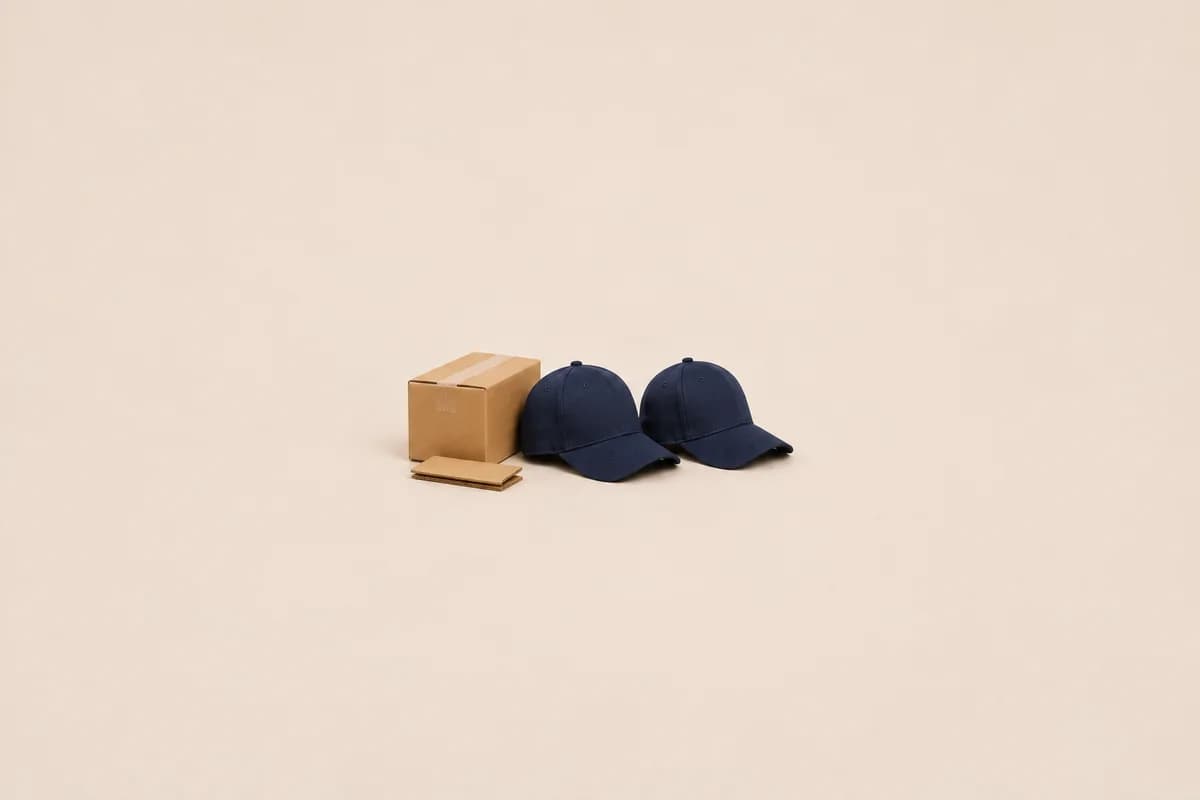
- Record the closure and unpacked cap observations separately.
- Request crown and brim views from the tested F01 carton.
- Confirm whether P01 needs its own assessment.
Carry the report scope into the packing decision
Before closing the packing review, connect the report ID, method and edition, specimen identity, condition and any recorded departures to the relevant packing revision. Ask the test provider to explain which requested observations it completed and identify any open requirements. Review those findings with the buyer’s designated owner before recording which configuration can be used.
If a pack revision changes several features at once, ask the technical party to document all of them on the new specimen. Any result belongs to that combination. If the buyer needs to isolate one support change, agree a comparison scope that holds the other relevant features fixed.
If the pack later changes, identify the affected count, supports, carton or arrangement and bring that revision back to the responsible reviewer. Keep the approved cap reference and packing decision with the report. The commercial release remains a separate decision that can include production inspection, correct quantities and receiving requirements. Linking the records makes it easier to see which decision remains open before dispatch.
Bring the pack and the open questions together
Send the cap reference, intended destination and handling context, both packing configurations and any available report. Mark the missing crown and brim views and the scope question for the partial carton. Ask who will select the assessment, provide representative packed samples and review the findings for the order.
For a FORMBRIM OEM/ODM project, share your proposed packing direction alongside the cap and quantity brief. The bulk minimum is 300 pieces per style, per color. Agree who will arrange any package assessment and how the resulting evidence will be reviewed.