
Rib scale and yarn hand
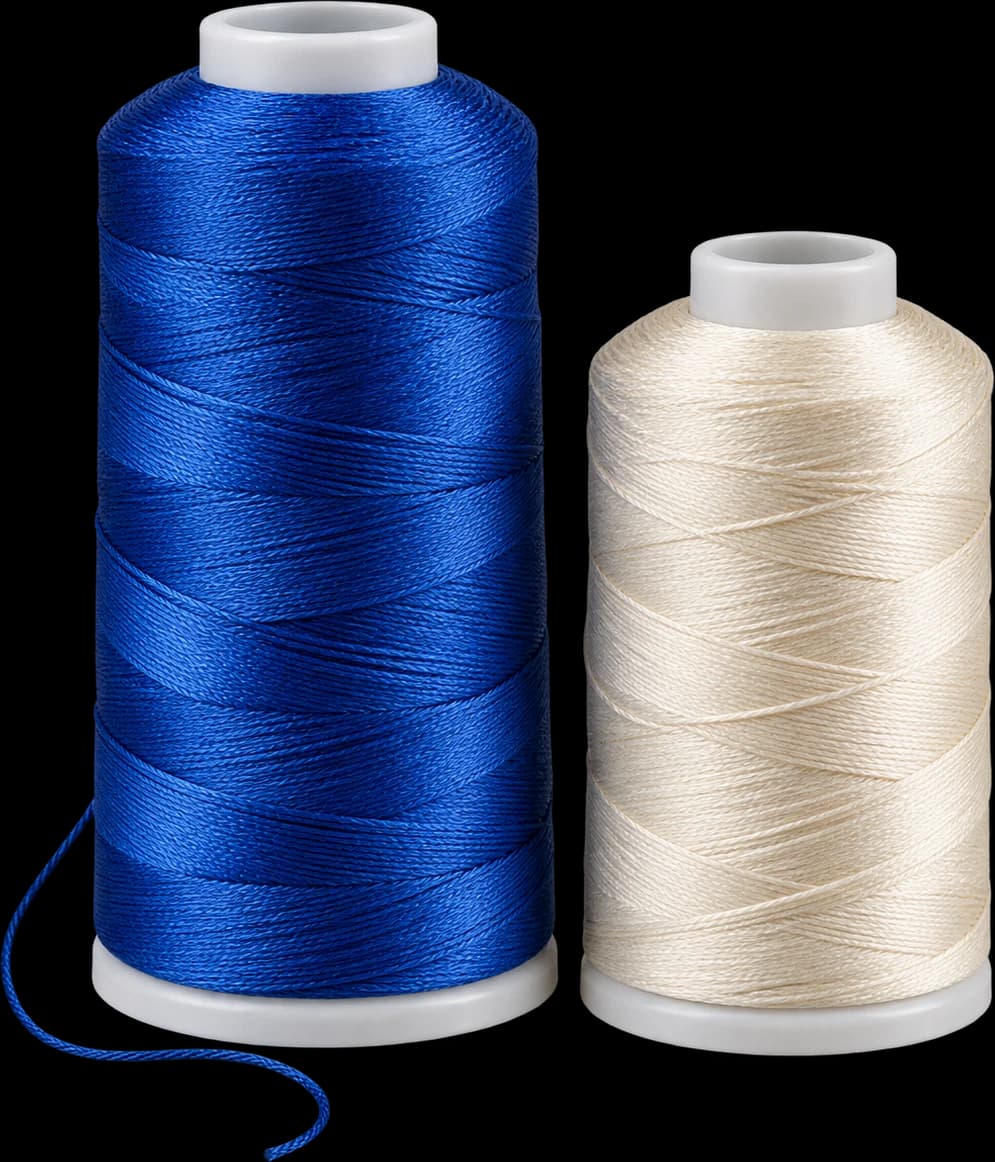
Compare rib scale and yarn hand with a physical reference. State the composition request separately from the illustrated knit pattern.
Compare the relaxed knit and the surface when stretched over the intended wearer. The ribs can open differently from what a flat photograph suggests. Request the proposed yarn composition separately and identify any requirement that is fixed. Do not infer warmth or a particular fiber from a thick-looking rib alone.
Folded cuff depth
Define cuff depth when folded and overall crown length. Review the beanie worn so the fold does not become the only fit reference.
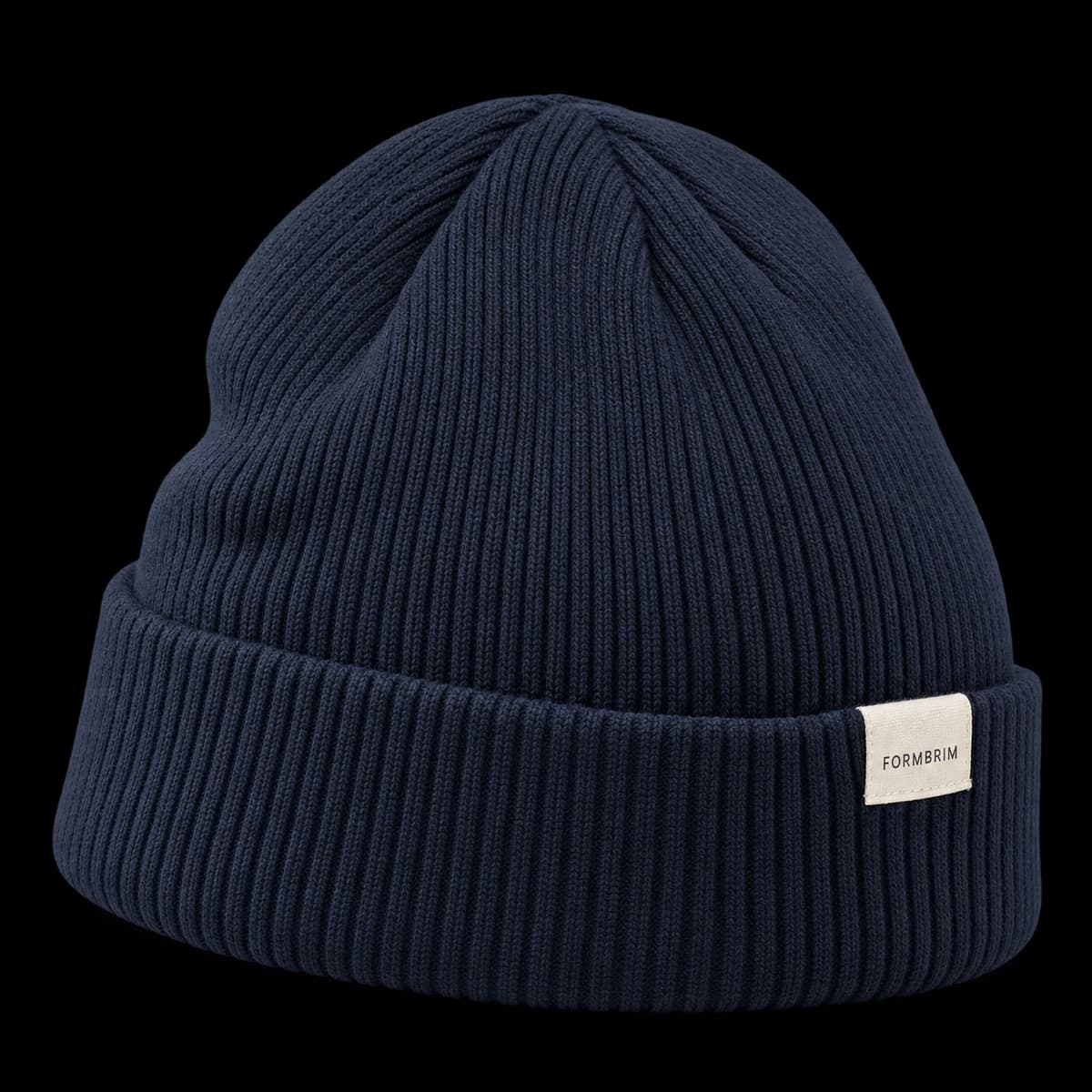
Measure the cuff in its intended folded position and record the remaining crown length. A deeper fold shortens the visible crown, so changing only one number can alter the entire fit. Show whether the top should follow the head or leave space above it and use the same folding method during review.
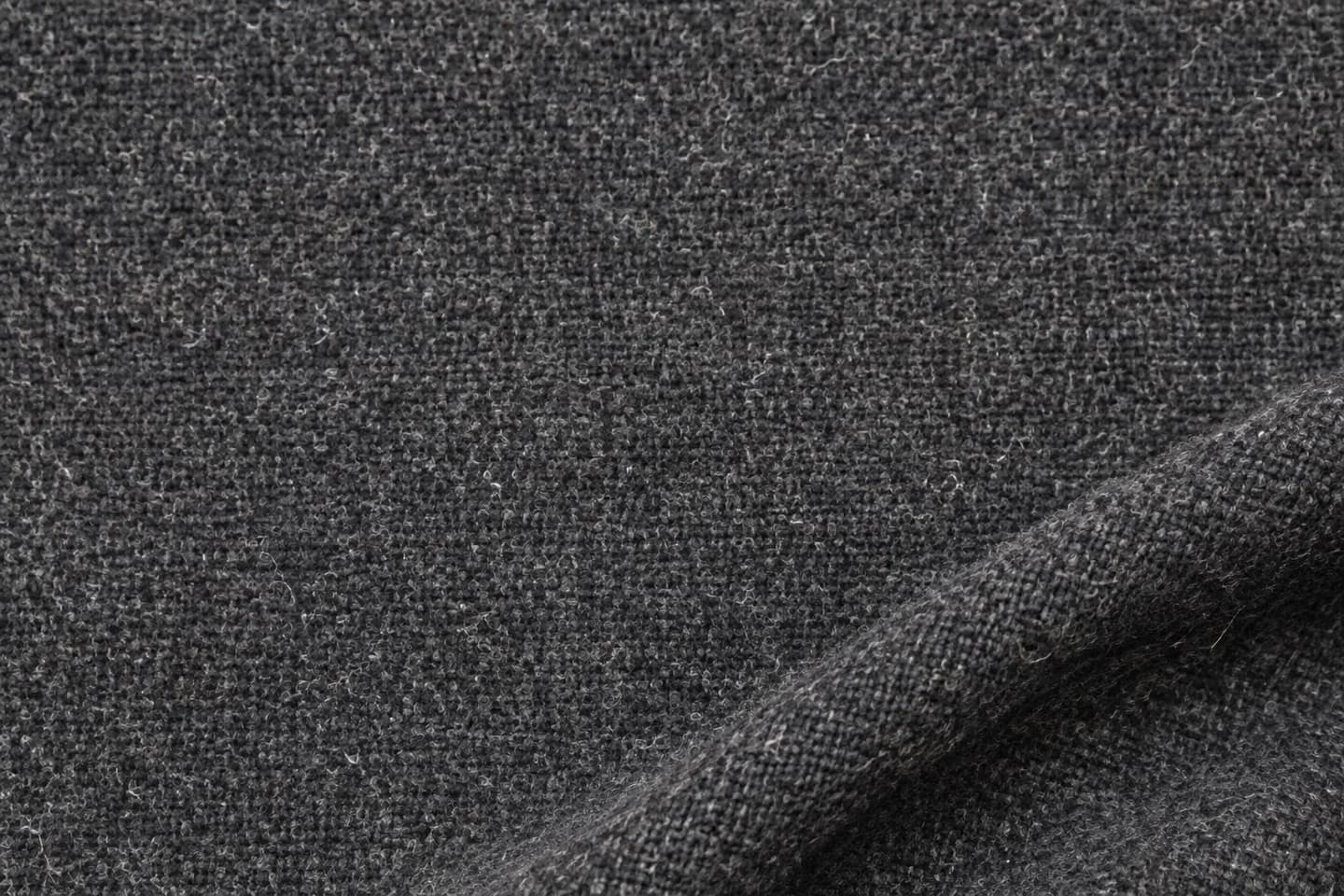
Name the composition, weight and finish you require. Compare the cloth and decorated sample together.
Illustrative texture; not a certified fabric specification.Label orientation
Place the label on the visible cuff face. Identify its orientation and attachment so the fold remains comfortable and the mark sits where intended.
Mark the visible face, orientation and attachment points of the label. Check it with the cuff folded and worn; a centered flat label can sit differently when stretched. Look inside for attachment that contacts the skin. If the cuff may be unfolded, discuss what happens to the logo and care information in that position.
Stretch and inside joins
Review stretch and recovery through handling of the sample. Agree the finished measurements, inside joins and care label before approving.
Handle and wear the sample, then compare its relaxed opening again using the same method. Record the behavior you need rather than assuming one stretch range from the word ribbed. Inspect the crown join and folded lower edge. Final size and care information should follow the agreed yarn and construction.
A practical buying example
A brand wants a navy cuff beanie with a small cream label. If the logo appears too low when worn, first check whether the cuff has been folded to the agreed depth. Moving the label while also changing the fold creates two revisions. Approve the folded dimensions and placement together, then use those references when reviewing another colorway.
Questions to settle before requesting a sample
A ribbed cuff is a useful starting point when adjustable fold depth is part of the look, but the final worn position still needs a reference. Ask for yarn details, cuff and crown measurements, label orientation and inside finish. Compare a short fisherman shape if the intended coverage is above the ears rather than assuming a standard cuff beanie will sit that way.